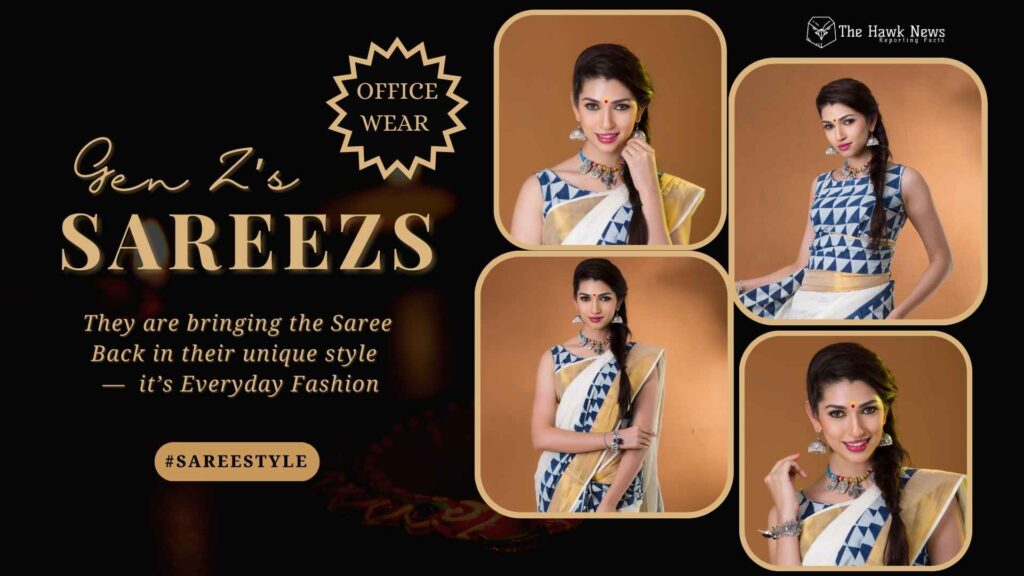
For decades, the saree has been India’s most iconic garment—woven into tradition, celebration, and identity.
But somewhere between the rise of western fast fashion, corporate dress codes, and the convenience of ready-to-wear clothing, the saree slipped into “occasion-only” territory.
Not anymore.
Across metros, tier-2 cities, campuses, co-working spaces, and Instagram grids, one clear trend is rewriting the rulebook:
Gen Z is bringing the saree back as daily, practical, expressive fashion — especially for office and daywear.
And they’re not just wearing the saree.
They’re reinventing it.
The Rise of the “Everyday Saree Girl”
Search data, social engagement patterns, and retail reports show one undeniable shift: the saree is returning as a comfort-first, identity-first garment for young professionals.
What’s fueling this?
✔ Comfort Over Conformity
Contrary to older stereotypes, sarees can be light, breathable, and movement-friendly when draped well.
Gen Z prefers:
- cotton mul sarees
- linen blends
- soft organza
- printed chiffons
- power-loom cottons
- recycled/upcycled fabrics
These drape fast, stay airy, and survive long workdays.
✔ Sustainability
Gen Z is the most eco-conscious generation ever.
Instead of buying 20 fast-fashion tops a year, they’d rather invest in:
- handwoven sarees
- ethically dyed fabrics
- local artisans
- slow-fashion brands
The saree’s timelessness perfectly aligns with their sustainability values.
The Reinvention: How Gen Z Is Styling Sarees Differently
This generation isn’t draping sarees like their grandmothers. They’re mixing silhouettes, textures, and subcultures. Some of the most popular Gen-Z twists:
✔ Saree + Sneakers
A defining trend.
Comfy, cool, and anti-patriarchal.
Perfect for commutes and long office corridors.
✔ Saree + Shirts / Turtlenecks / Blazers
A brilliant fusion of formalwear and desi elegance.
In winter, turtlenecks under sarees are exploding on social feeds.
✔ Belted Sarees
Functional + aesthetic.
Keeps pleats in place during work, travel, and presentations.
✔ Pre-stitched and Ready-to-Wear Sarees
Gen Z doesn’t have time for 15-minute draping.
Brands are now selling:
- zipper sarees
- clip-on pleats
- pant sarees
- lycra stretch sarees
Some can be worn in under 60 seconds.
✔ Unconventional Blouses
Crop tops, sports bras, bralettes, denim jackets, corsets — all now officially “saree blouses” for Gen Z.
The Workplace Revolution
The saree used to be seen as “too traditional” for corporate spaces.
Gen Z flipped that narrative.
✔ Saree = Power Dressing
In presentations, boardrooms, and creative pitches, it stands out.
It signals:
- confidence
- cultural identity
- individuality
- professionalism
- creativity
✔ Hybrid Office Culture Boosted It
Post-pandemic, companies adopted more relaxed dress codes.
The saree slipped in naturally as both comfortable and polished.
✔ Representation Matters
Young women want to be seen representing Indian identity at work — without compromising functionality.
The Internet Made Sarees Cool Again
Gen Z’s saree revival wouldn’t be possible without the creators who made sarees aspirational.
Influencers leading the movement:
- Komal Pandey
- Dolly Singh
- Kusha Kapila (not exclusively sarees, but culturally influential)
- Many micro-creators who post “Saree for Work” or “Saree Styling 5 Ways”
On TikTok alternatives, Instagram Reels, and YouTube Shorts, saree content gets massive engagement — especially mix-and-match styling videos.
Trends popularized online:
- monochrome saree looks
- sarees with trench coats
- casual drapes for everyday wear
- pastel minimalism
- “saree for 9–5, not just 9–9 weddings”
The internet turned sarees from “traditional obligation” to “fashion statement.”
Cultural Pride Is Back in Style
Gen Z’s relationship with culture is different — they don’t want to preserve it silently; they want to express it boldly.
The saree becomes:
- a statement of identity
- a celebration of roots
- a feminist reclaiming of clothing once tied to restriction
- a modern symbol of confidence
This generation embraces tradition only if it aligns with self-expression.
The saree fits perfectly into that.
The Economics Behind the Trend
Saree demand is rising again in:
- e-commerce platforms
- handloom clusters
- boutique brands
- thrift stores
- rental platforms
- ethical fashion labels
According to recent retail insights:
- everyday-saree sales (cotton, linen, chiffon) grew faster than wedding sarees in 2023–24
- workwear saree content saw a spike on Instagram and Pinterest
- local weavers are seeing increased demand from younger buyers
This revival is creating real economic impact.
The Final Twist: The Saree Is Now “Cool”
For Gen Z, the saree is not:
- old-fashioned
- complicated
- inconvenient
It’s:
- gender-fluid
- customizable
- sustainable
- versatile
- expressive
A saree can be soft-girl aesthetic, dark academia, corporate chic, streetwear, or athleisure — depending on how you style it.
That’s why the Gen-Z generation isn’t making the saree “modern.”
They’re making it theirs.
Conclusion: The Saree Is Not Making a Comeback — It Never Left
What changed is how it’s being worn.
Gen Z didn’t revive the saree.
They reimagined it.
Liberated it.
And brought it back into everyday life — urban, global, and unapologetically individual.
The saree today is:
- a daily outfit
- a workwear staple
- a fashion playground
- a cultural declaration
- a trend that’s not fading anytime soon
And if the current wave continues, this may be the saree’s most exciting era yet.