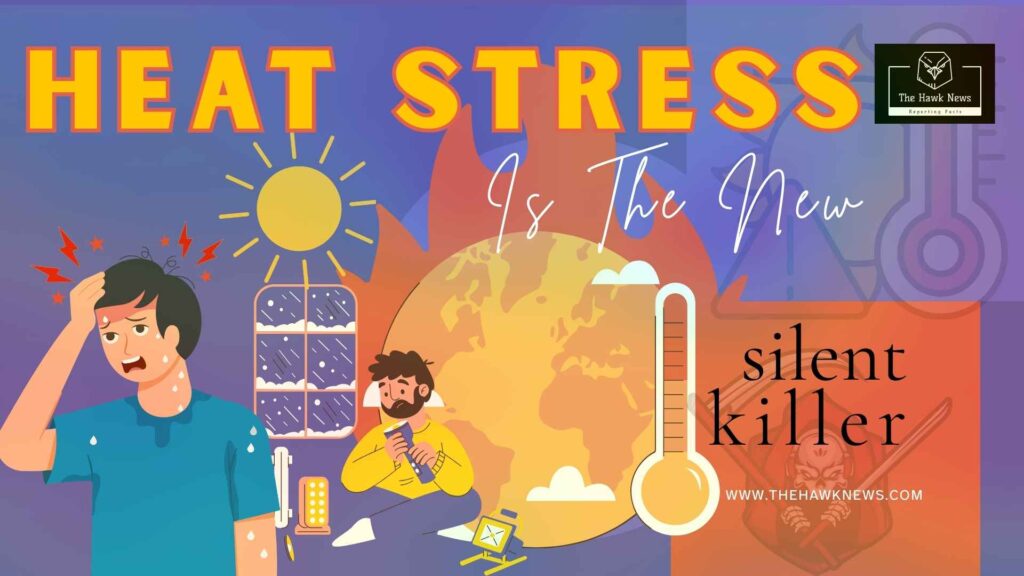
Urban India is heating up and not just in temperature.
From crowded streets to glass-covered office buildings that trap heat, doctors across the country are sounding an urgent warning:
Heat stress is no longer just a seasonal inconvenience it is fast becoming a silent killer.
“We Are Seeing a Pattern That Can No Longer Be Ignored”
Dr. Anil Kumar, a senior physician at a metropolitan hospital, puts it bluntly:
“Patients are not coming in with just dehydration anymore. We are seeing fatigue, electrolyte imbalance, and even early signs of heart strain especially in young working professionals.”
Heat stress occurs when the body fails to cool itself efficiently. In cities, this risk multiplies due to the urban heat island effect where concrete, traffic, and pollution trap heat, pushing temperatures several degrees higher than surrounding areas.
What Is Heat Stress Doing to Your Body?
From a clinical standpoint, heat stress impacts multiple systems:
1. Dehydration: The Starting Point
When the body loses more fluids than it takes in, blood volume drops. This forces the heart to work harder to circulate oxygen.
“Even mild dehydration can impair brain function and concentration,” says Dr. Kumar.
2. Fatigue and Cognitive Decline
Ever felt unusually tired or irritable in the heat?
That’s not just discomfort, it’s your body signaling distress. Prolonged exposure reduces physical endurance and mental sharpness.
3. Heart Under Pressure
One of the most dangerous yet overlooked effects.
“Heat causes blood vessels to dilate, which lowers blood pressure. The heart compensates by beating faster this can trigger complications in people with underlying conditions,” explains cardiologist Dr. Meera Nair.
In extreme cases, this can escalate into heat exhaustion or even heat stroke, both medical emergencies.
Urban Lifestyle: A Dangerous Combination
Doctors are particularly concerned about city dwellers who:
- Skip hydration due to busy schedules
- Travel in peak afternoon heat
- Spend long hours in non-ventilated spaces
- Rely heavily on caffeine instead of water
“The modern urban routine is working against the body’s natural cooling system,” warns Dr. Nair.
Who Is Most at Risk?
While everyone is vulnerable, doctors highlight high-risk groups:
- Elderly individuals
- Children
- Outdoor workers
- Fitness enthusiasts training in peak heat
- People with heart disease or diabetes
Doctor’s Survival Guide: How to Beat Heat Stress
Straight from medical professionals, here’s what could save your life this summer:
Hydrate Strategically
Don’t wait to feel thirsty. Drink water consistently through the day.
“By the time you feel thirsty, dehydration has already begun,” says Dr. Kumar.
Avoid Peak Heat Hours
Limit outdoor exposure between 12 PM – 4 PM when temperatures peak.
Dress for Survival
Light-colored, loose cotton clothing helps the body breathe.
Replenish Electrolytes
Sweating drains essential salts. Include ORS, coconut water, or buttermilk in your routine.
Listen to Your Body
Warning signs include:
- Dizziness
- Headache
- Excessive sweating or sudden lack of sweating
- Rapid heartbeat
Do not ignore these. Seek medical help immediately.
A Doctor’s Final Word
“Heat stress doesn’t always announce itself loudly. It builds quietly and by the time patients reach us, it’s often too late,” says Dr. Nair.
As climate patterns shift and cities grow denser, this “invisible threat” is becoming more aggressive each year.
The message from doctors is clear:
Respect the heat or risk becoming its next victim.