The sound was unmistakable — a deep, rhythmic thump that felt less like an engine and more like a heartbeat.
For decades, that heartbeat belonged to the Royal Enfield Bullet, a machine that defined India’s roads, carried soldiers through battlefields, and echoed through mountain passes as a symbol of freedom.
Now, the legend has been reborn.
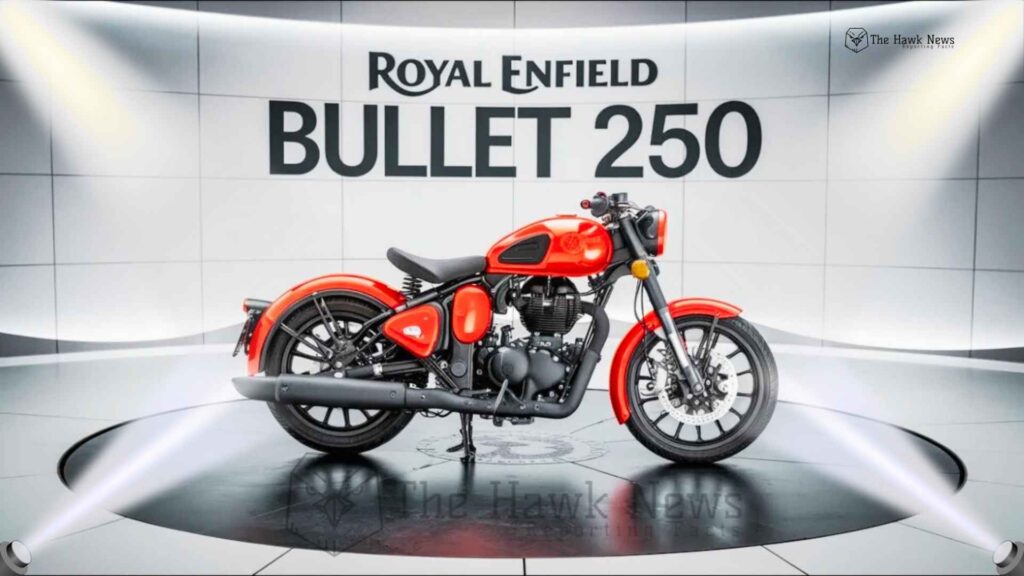
The Royal Enfield Bullet 250 is here — not as a reinvention, but as a refinement of what once was.
But why would a brand so steeped in heritage — a name that thrived on nostalgia — decide to redesign its most iconic model? The answer, my fren, lies in the delicate balance between legacy and evolution.
The Weight of Heritage
Few machines in the world have survived the test of time like the Royal Enfield Bullet. Born in 1932 in Redditch, England, and reborn in post-Independence India, the Bullet became far more than metal and motor — it became a national symbol of endurance.
To own a Bullet was to own a piece of history. Its thump became the anthem of rugged individualism, of travelers who didn’t just go places, but became stories.
But the world, like the engine’s piston, moves in cycles. As technology advanced and consumer preferences shifted, the same nostalgia that once powered the Bullet began to weigh on it.
The youth of today — tech-savvy, environmentally conscious, design-aware — wanted more than legacy. They wanted legacy with logic.
And that’s when Royal Enfield made its most daring decision: to remodel a legend without losing its soul.
Why the Legend Needed a New Frame
In journalism, change is newsworthy only when it challenges comfort — and this change certainly did.
The original Bullet, though beloved, carried an aging engine architecture and design language that couldn’t meet modern emission norms or performance expectations.
Royal Enfield had to make a choice: let nostalgia keep it alive in memory, or rebuild it to live on in motion.
They chose the latter — not out of necessity alone, but out of respect.
The Bullet 250 arrives as a bridge between eras. It honors the past while inviting the future to ride along.
The 250cc engine may be smaller in number, but bigger in purpose — smoother, more efficient, and easier to handle for a new generation of riders who might be buying their first Bullet.
The thump is quieter, yet deeper — more refined than raw — like a veteran who’s learned to speak softly but carry the same power.
Design: Familiar Yet Fresh
One glance and you know it’s a Bullet. The iconic teardrop tank, the classic mudguards, and the solid stance remain untouched — because you don’t rewrite scripture, you restore it.
But look closer, and the updates whisper modernity:
- The lines are cleaner, the finishes richer.
- LED lighting subtly replaces old-school bulbs.
- The seating is more ergonomic — less punishing, more embracing.
- And the engine casing carries a matte-black confidence that feels 2025-ready.
It’s as if Royal Enfield took a sepia photograph and colorized it — not to erase its age, but to remind us why it still matters.
The Psychology of a Bullet Rider
To understand why this rebirth matters, you must first understand the soul of its riders.
A Bullet buyer isn’t buying mobility — they’re buying meaning. The decision is emotional, almost poetic.
It’s the same reason a person picks a vinyl record over Spotify, or writes a letter instead of a text.
The Bullet speaks to a part of us that refuses to move faster than our own rhythm.
Yet, the new generation — the digital drifters — also crave that connection, just in a language they understand: efficiency, design, sustainability.
The Bullet 250 answers that call. It offers the same freedom, but without the fuss — the same heritage, but with harmony.
A Legend for the New Roads
Every legend must adapt or risk fading into folklore. Think of the Hunter’s Moon — it rises each year with the same brilliance, but it’s never quite the same moon.
The Bullet, too, returns renewed — brighter, more balanced, ready for a new chase.
Royal Enfield’s decision wasn’t just mechanical; it was cultural. The younger audience no longer wants bulky machines that roar through the streets. They want confidence wrapped in simplicity — something timeless yet forward-looking.
The Bullet 250 gives them that — it’s not just a bike; it’s a rite of passage, reimagined.
Why We Still Care
In an age when electric scooters hum silently and self-driving cars whisper promises of automation, why does a single-cylinder motorcycle still tug at our hearts?
Because the Bullet reminds us that machines can have memory.
It’s a conversation between generations — between the father who rode it to his first job and the daughter who now rides it into her own freedom.
When the new Bullet 250 hums down a quiet road, it doesn’t erase history. It continues it — proving that progress isn’t betrayal, but gratitude in motion.
Journalist’s Reflection: More Than Metal
In reporting on the new Bullet 250, one thing becomes clear — this story isn’t about a motorcycle. It’s about the human instinct to preserve meaning while embracing change.
Royal Enfield didn’t remodel the Bullet to chase trends; they did it to protect a heartbeat.
Because when a legend is reborn, it isn’t to compete — it’s to remind the world that craftsmanship still matters, that identity still counts, and that in a world of upgrades, some things only need refinement.
So the next time you hear that thump — gentler now, perhaps — know that it carries decades of roads, rains, and riders within it.
The Bullet 250 may be new, but its soul?
That’s 90 years old, and still thumping strong.