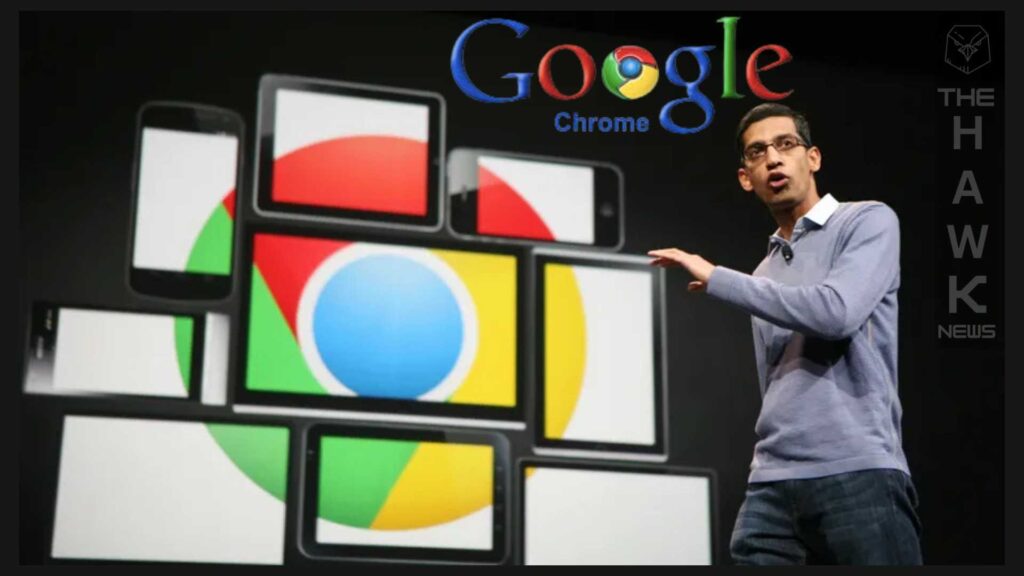
On December 11, 2008, Google made an announcement that barely looked like news at the time:
Chrome was officially out of beta.
It sounded simple. Modest. Almost forgettable.
But in hindsight?
That moment marked the beginning of a digital shift that would change how an entire generation browsed, searched, streamed, studied, created, and lived online.
A decision that felt small eventually reshaped the architecture of the modern internet.
And it all started on a quiet December day.
The Browser Wars: A Landscape Waiting for Disruption
To understand why Chrome’s exit from beta mattered, we need to revisit the world of 2008:
- Internet Explorer still dominated by sheer legacy.
- Firefox was the cool kid — open-source, customizable, beloved by early tech enthusiasts.
- Safari lived comfortably on Apple devices.
- Mobile browsing was still emerging; smartphones were just stepping into the spotlight.
Browsing the web was functional, not fluid.
Tabs crashed often.
Pages took their own sweet time to load.
Extensions were clunky experiments, not power tools.
The market wasn’t waiting for a new browser.
But it desperately needed one.
Google’s Entry: A Calculated, Understated Move
Google launched Chrome in September 2008 as a beta — a test run.
At the time, people questioned the need for yet another browser.
Was Google overreaching?
Was it even necessary?
Three months later, on December 11, 2008, Google declared Chrome stable and out of beta.
What went unnoticed then is clear today:
Google wasn’t just releasing a browser.
It was introducing a new philosophy for the web.
Why December 11 Mattered: The Shift Begins
Chrome’s move out of beta brought with it several breakthroughs that would soon redefine browsing:
1. Speed as a Non-Negotiable
The V8 JavaScript engine made Chrome significantly faster.
Not slightly.
Not marginally.
But noticeably faster than competitors.
For a generation moving toward social media, streaming, and richer interactive websites, this speed wasn’t a luxury — it became an expectation.
2. A Clean, Minimal Design
Chrome removed:
- heavy toolbars
- bulky menus
- layers of clutter
It introduced:
- the Omnibox (combined search + URL bar)
- a clean UI that felt modern and breathable
This simplicity changed user behavior: browsing no longer felt like operating machinery; it felt like gliding.
3. Tab Stability
One of Chrome’s biggest innovations:
Each tab was a separate process.
Meaning:
- one crashed tab wouldn’t collapse your entire browser
- memory could be managed more intelligently
- multitasking became fluid
This was a game-changer long before multi-tab overload became a digital lifestyle.
4. The Web as a Platform
Chrome wasn’t just a browser.
It was Google’s chess move for the future:
- Web apps
- Cloud computing
- Browser-based productivity
- Streaming-heavy ecosystems
- Chromebooks (launched later, powered by Chrome)
December 11, 2008 was the quiet step before the internet became an application platform.
The Rise: From Underdog to Global Leader
Within two years, Chrome moved from “interesting alternative” to “widely adopted.”
Within four, it surpassed Internet Explorer.
Today, it holds over 60% of global market share and effectively defines web standards.
Developers build for Chrome first.
Designers optimize for Chrome’s rendering.
Competing browsers adapted features Chrome pioneered.
Chrome didn’t just enter the browser wars.
It redefined the battlefield.
Why This Matters to Today’s Generation
If you are:
- binge-watching
- Googling assignments
- running 40+ tabs
- working on cloud-based tools
- streaming games
- editing on browser-based apps
- designing on Figma or Canva
- learning online
- consuming digital news (including this very article)
You are living inside an ecosystem shaped by Chrome’s 2008 release.
Chrome made:
- speed the standard
- minimalism the default
- extensions the norm
- the browser the center of digital life
Its impact is not just technical — it’s cultural.
The Bigger Message: Small Shifts Can Change Everything
Google did not launch Chrome with fanfare.
No billboards.
No loud, flashy promises.
Just a simple message:
It’s ready. It’s out of beta. Try it.
That quiet confidence is a blueprint for innovation:
- Disruption doesn’t always arrive with noise.
- Some revolutions begin quietly — and transform everything.
- A small December announcement can reshape an entire digital generation.
Looking Ahead: What Comes After Chrome?
As we enter an era of:
- AI-powered search
- edge computing
- immersive web experiences
- privacy-focused browsing
- mobile-first ecosystems
Chrome still leads, but the next browser revolution may be closer than we think.
Maybe it will be AI-driven.
Maybe it will be privacy-native.
Maybe it will be voice-first or device-agnostic.
But one thing is certain:
The future of the web will be built upon the foundation Chrome laid on December 11, 2008.