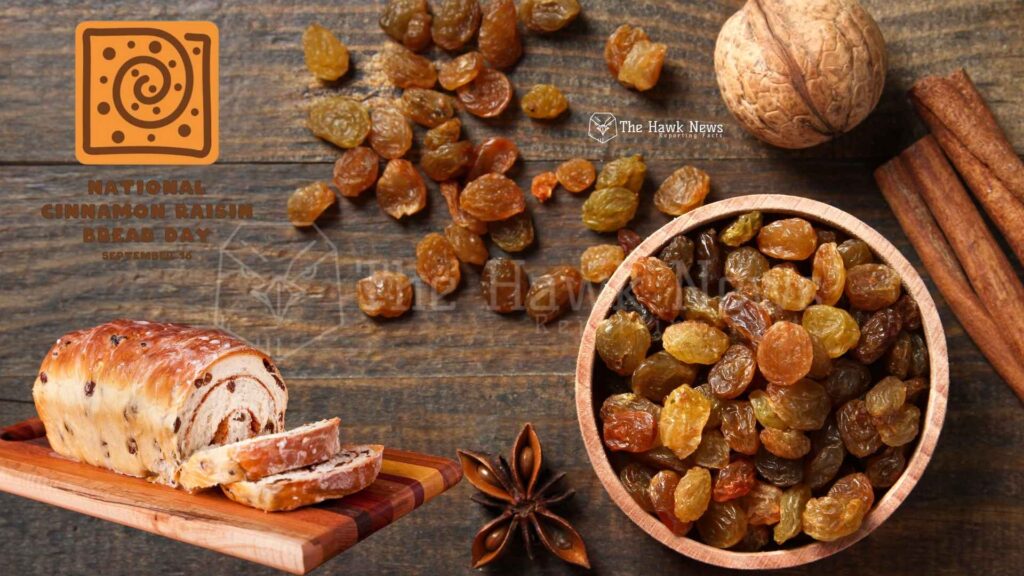
Every year, lovers of baked delights pause to celebrate National Cinnamon & Raisin Bread Day, a day dedicated to one of the world’s most aromatic and comforting breads.
With its golden crust, soft interior, and the warm, sweet interplay of cinnamon and raisins, this bread has a rich history that spans continents and centuries.
The day offers a chance to honor not just a favorite breakfast treat, but a culinary tradition that has evolved from ancient civilizations to modern kitchens.
Origins in Ancient Civilizations
The story of cinnamon and raisin bread begins far earlier than most realize. Ancient Egyptians and Greeks were among the first to explore the concept of sweetened breads.
Egyptians were known for baking bread with honey and dried fruits, while Greek bakers experimented with incorporating spices and natural sweeteners. These early innovations laid the foundation for what would eventually become the cinnamon and raisin bread familiar to contemporary palates.
Cinnamon, originally imported from Sri Lanka and other parts of Asia, was prized for its fragrance and flavor. Raisins, dried grapes abundant in the Mediterranean, offered natural sweetness and texture.
The combination of these two ingredients in bread, however, did not become widespread until European bakers in the 18th and 19th centuries began creating sweetened loaves for households and specialty markets.
European Innovation and Culinary Spread
In Europe, particularly in countries such as Germany, England, and France, bakers experimented with sweet breads, often served during festive occasions. Cinnamon and raisin loaves became a staple in morning meals and tea-time rituals.
The sweet spice paired with plump raisins not only added flavor but also signaled a degree of luxury, as cinnamon was historically an expensive import.
By the 19th century, cinnamon and raisin bread had established itself as a beloved treat across Europe. Recipes were passed down through generations, and regional variations began to emerge.
Some regions added nuts, such as walnuts or almonds, while others experimented with enriched doughs containing eggs and butter, making the bread softer and more indulgent.
Introduction to America
Cinnamon and raisin bread made its way to the United States with European immigrants. By the late 19th and early 20th centuries, it had become a staple in American bakeries. The bread’s popularity surged as commercial bakeries and later supermarkets began producing it on a large scale, making it widely accessible to families across the country.
In America, the bread found its home as a versatile option for breakfast, brunch, and snacks. Toasted and spread with butter or cream cheese, used in French toast recipes, or simply enjoyed plain, it became synonymous with comfort and homey indulgence.
The simplicity of its ingredients belied the rich flavor and warmth it brought to the table—a factor that continues to endear it to generations of Americans.
The Anatomy of Cinnamon & Raisin Bread
At its core, cinnamon and raisin bread combines basic bread ingredients—flour, yeast, water, sugar, and salt—with the aromatic warmth of cinnamon and the chewy sweetness of raisins.
Some recipes include butter or eggs to enrich the dough, while others may add a glaze, sugar swirl, or sprinkle of cinnamon sugar on top for extra flavor.
The magic of cinnamon and raisin bread lies in its balance of flavors and textures:
- The cinnamon offers a fragrant, slightly spicy warmth that complements both sweet and savory toppings.
- The raisins provide chewy bursts of natural sweetness, contrasting with the soft, tender bread.
- Optional additions, like nuts or orange zest, enhance the complexity and make each loaf a unique experience.
National Cinnamon & Raisin Bread Day Celebrations
The United States celebrates National Cinnamon & Raisin Bread Day annually, although the day is largely unofficial, recognized through social media, food blogs, and bakery promotions rather than formal proclamations.
On this day, home bakers and professional pastry chefs alike take the opportunity to celebrate the bread in creative ways.
Bakeries often introduce special editions of cinnamon and raisin bread, adding twists such as chocolate chips, cream cheese swirls, or even holiday spices like nutmeg and clove.
Cooking enthusiasts share recipes online, post photos of their homemade loaves, and experiment with toasts, sandwiches, and even desserts featuring this beloved bread.
Social media has amplified the celebration, creating a sense of community among fans of baked goods. Hashtags like #CinnamonRaisinBreadDay, #BreadLovers, and #SweetBread connect bakers and food enthusiasts across the country. Whether enjoyed at breakfast with a steaming cup of coffee or as an afternoon snack, cinnamon and raisin bread remains a versatile and crowd-pleasing option.
Cultural Significance and Nostalgia
Beyond its delightful flavor, cinnamon and raisin bread carries a cultural and emotional resonance. For many, it evokes memories of family breakfasts, childhood kitchens, and festive occasions. It is a bread that transcends mere sustenance, offering comfort, warmth, and a touch of indulgence.
Historically, the use of cinnamon and raisins reflected access to luxury ingredients and the skill of the baker. Today, it is more democratic, available in supermarkets nationwide, but it still retains its aura of home-baked love and tradition.
In this sense, the bread symbolizes how culinary practices evolve, yet continue to hold meaning across generations.
Modern Variations and Innovations
Cinnamon and raisin bread is no longer limited to traditional loaves. Modern bakers and culinary innovators have introduced numerous variations to cater to contemporary tastes:
- Artisan loaves: Featuring hand-kneaded dough, natural starters, and premium spices.
- Gluten-free versions: Using almond flour, oat flour, or other alternatives to accommodate dietary needs.
- Stuffed or swirled loaves: Infused with cream cheese, chocolate, or fruit preserves.
- Savory twists: Incorporating nuts, seeds, or mild spices to add complexity.
These variations demonstrate the bread’s adaptability and continued relevance in a global culinary landscape. It is both a traditional comfort food and a canvas for creative expression.
Health and Nutritional Notes
While cinnamon and raisin bread is primarily enjoyed for its flavor, it does offer some nutritional benefits:
- Raisins provide natural sugars, fiber, and essential minerals like potassium and iron.
- Cinnamon has been associated with anti-inflammatory properties and potential blood sugar regulation.
- Choosing whole-grain flour or reducing added sugar can make this sweet bread a slightly healthier option for daily consumption.
However, like all sweet breads, moderation is key to balancing enjoyment with nutrition.
Conclusion
National Cinnamon & Raisin Bread Day is a celebration of more than just a baked good—it is a tribute to history, flavor, and tradition.
From the ancient civilizations of Egypt and Greece to European bakers of the 18th century, and finally to modern American kitchens, cinnamon and raisin bread has evolved while maintaining its charm and universal appeal.
On this day, bakers, families, and food enthusiasts are invited to bake, taste, share, and celebrate. Whether enjoyed toasted with butter, layered into French toast, or savored plain, each slice carries centuries of culinary innovation, comfort, and delight.
In honoring this bread, we also honor the simple joys of food, tradition, and shared experiences that bring people together across time and cultures.