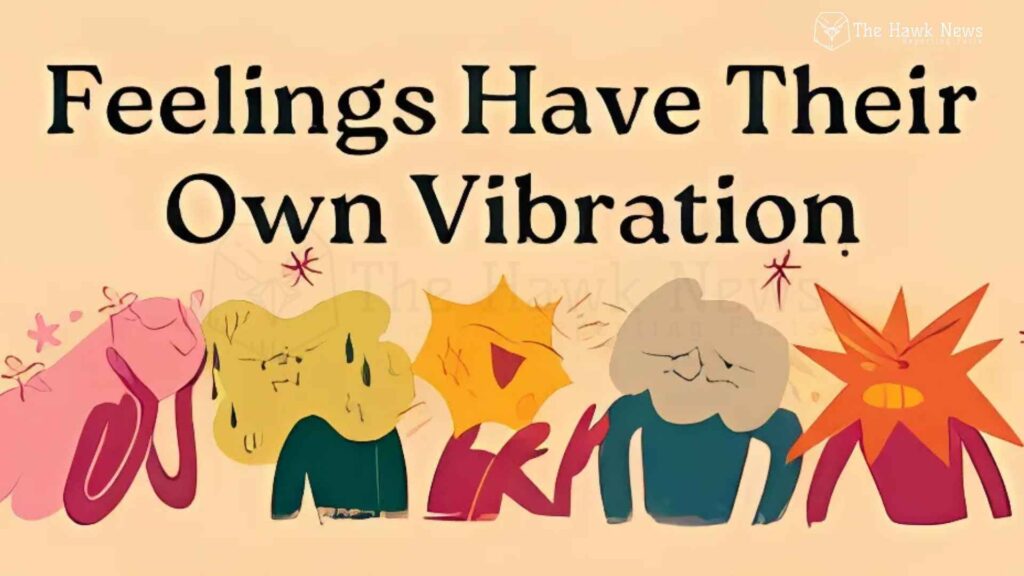
We often underestimate the invisible power our emotions hold. Yet, from the moment we wake up, our feelings set the tone for the day.
Some mornings we rise charged with energy, ready to conquer the world. Other days, we carry heaviness, moving through routines like wading through quicksand. What explains this shift?
Increasingly, science, psychology, and even ancient wisdom point toward a simple truth: feelings are energy. They vibrate, ripple, and influence not just our inner world but also how we interact with everything around us.
The challenge—and opportunity—lies in learning how to harness that energy. By tuning in to the “vibrations” of our emotions, we can transform them into tools for productivity, proactivity, and a more intentional life.
The Frequency of Feelings
Think of emotions like radio stations. Joy, gratitude, and hope operate at a “higher frequency,” lifting our spirits and expanding our creativity. Anger, fear, or sadness vibrate at a “lower frequency,” often slowing us down.
But just like tuning a dial, we can notice what frequency we’re on and decide whether to stay there, adjust, or even repurpose it.
For example:
- Joy fuels collaboration and problem-solving.
- Calm enhances focus and clarity.
- Frustration can spark determination if redirected.
- Sadness slows us down but can also invite reflection and empathy.
Rather than labeling emotions as “good” or “bad,” it’s more helpful to see them as energy in motion—each with potential to shape our day.
Energy in Daily Routines
Lifestyle choices often determine how emotions play out. Imagine you begin the day scrolling through chaotic news feeds. Your emotional vibration sinks, even before breakfast. Contrast that with a start involving fresh air, a glass of water, or a few mindful breaths—your energy shifts higher, more stable.
The key is not to avoid emotions but to create routines that help regulate them. Morning rituals, journaling, exercise, and even music can act as “frequency tuners,” aligning you with a vibration that serves productivity instead of draining it.
Productivity Through Emotional Awareness
Many people approach productivity mechanically—lists, apps, deadlines. But true productivity is deeply tied to emotional energy. A to-do list may be packed, yet without emotional alignment, tasks feel heavy, unending. On the other hand, when energy is high and feelings are channeled, the same list feels achievable, even exciting.
Here’s how to harness emotional energy for productivity:
- Check-in with yourself. Before diving into work, pause to ask: “What energy am I carrying today?” Naming it creates awareness.
- Redirect when needed. Feeling anxious? Channel it into preparation. Feeling restless? Tackle quick tasks first to release momentum.
- Anchor with breaks. Midday fatigue isn’t laziness—it’s a signal. A short walk or stretch helps reset emotional frequency.
- Celebrate micro-wins. Small successes create emotional uplift, fueling further productivity.
Proactivity begins with managing energy, not just time.
Proactivity: Riding the Emotional Current
While productivity is about getting things done, proactivity is about steering the course. Emotions, if left unchecked, can make us reactive—snapping in frustration, procrastinating in fear, or drifting in apathy. But by consciously engaging with emotional energy, we can become proactive instead of reactive.
Consider this: when anger arises in a meeting, instead of letting it derail communication, you can redirect that fire into asking sharper questions or proposing stronger solutions. When anxiety whispers before a presentation, it can be reframed as energy preparing your body to perform.
Being proactive means using feelings as fuel instead of fighting them. This is how emotions, once viewed as distractions, become catalysts for growth.
The Science Behind Emotional Energy
Neuroscience shows that emotions are not abstract—they are chemical and electrical signals in the brain and body. Hormones like cortisol, dopamine, and serotonin literally influence how we think, act, and perform.
- Positive emotions broaden cognitive function, making us more creative.
- Stress hormones sharpen focus temporarily but exhaust us if prolonged.
- Regular emotional regulation—through breathing, mindfulness, or gratitude practices—lowers stress responses and enhances long-term productivity.
Even heart science suggests that emotions affect our body’s rhythm. Research from the HeartMath Institute shows that emotions create measurable electromagnetic patterns in the heart, influencing not only personal wellbeing but also interactions with others. In simple terms: the energy of feelings is real—and contagious.
Practical Ways to Harness Emotional Energy
- Start the Day with Intention: Instead of defaulting to autopilot, ask: What energy do I want to carry today? Choose a focus word—calm, courage, joy—and let it guide your actions.
- Use Music as a Tuner: Upbeat tracks can elevate mood, while softer melodies restore calm. Think of playlists as emotional tools.
- Channel Emotions Into Motion: Exercise is one of the fastest ways to transmute stuck energy—whether that’s jogging, dancing, or a brisk walk.
- Breathing Practices: Slow, mindful breathing signals the nervous system to shift from stress to balance, helping you regain focus.
- Mindful Transitions: Before moving from one task to another, pause for 60 seconds. Reset your emotional vibration before diving into the next thing.
- End the Day with Gratitude: Reflecting on positives rewires the brain to end on a higher frequency, setting the stage for better rest and tomorrow’s productivity.
Energy in Relationships
Emotions don’t exist in isolation. The energy we carry spills into conversations, families, workplaces. Walk into a room full of stressed people, and you feel the weight. Step into a space of joy, and your own mood lifts.
Proactivity here means being intentional about the energy we bring. Instead of absorbing the lowest frequency in the room, we can choose to radiate higher ones—patience, kindness, clarity. Over time, this not only strengthens personal wellbeing but also influences collective spaces, from offices to homes.
The Lifestyle of Emotional Alignment
When we begin to see feelings as energy, lifestyle itself becomes a practice of alignment. Productivity is no longer about pushing through resistance but about tuning into the right frequency. Proactivity is no longer about avoiding challenges but meeting them with the right energy state.
This doesn’t mean avoiding “negative” emotions. Sadness, anger, or fear are part of the human spectrum. But they become powerful when understood as signals, not obstacles. Each carries information: anger points to boundaries crossed, sadness highlights loss, anxiety signals preparation. Listening, instead of resisting, allows us to transform them into momentum.
Conclusion: Living on the Right Frequency
The universe hums with vibration—from atoms to planets, from music to emotions. In this grand symphony, our feelings are not background noise but active notes shaping the melody of daily life.
By tuning into emotional energy, we gain agency: to work productively, to act proactively, to live intentionally. Every emotion is a vibration—and when we learn to ride those vibrations, we create not just a productive day, but a meaningful, balanced lifestyle.
So tomorrow morning, ask yourself: What vibration am I starting with today? And more importantly, how can I use it to make the day not just bearable, but beautifully proactive?