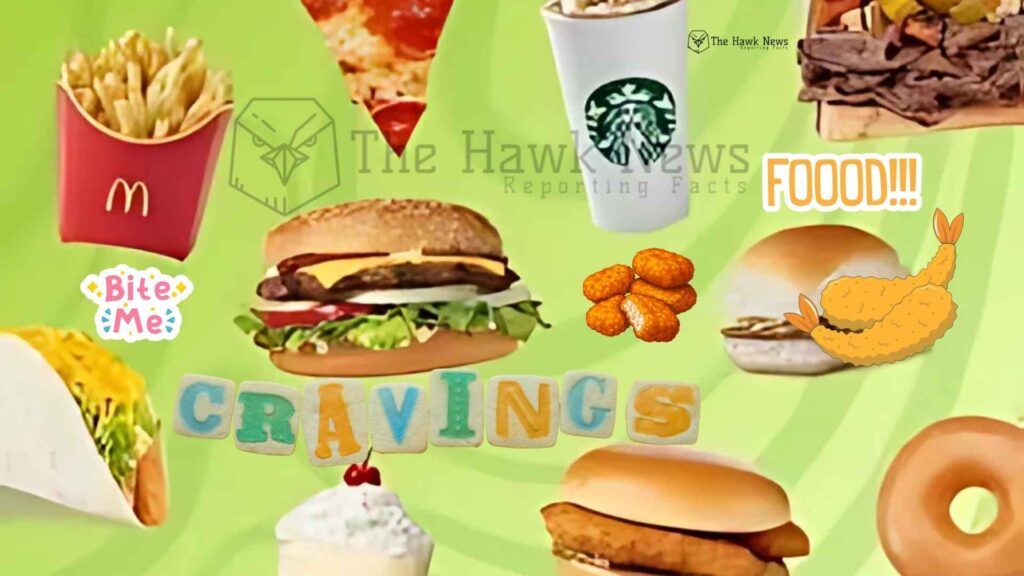
1. The Global Urge on Our Plates
It starts innocently. The smell of pizza wafting through the air, the sight of a golden fried chicken bucket, or the red-and-yellow glow of a burger chain sign after a long day. Before we know it, our stomachs rumble and our feet (or food delivery apps) lead us straight to Domino’s, KFC, or McDonald’s.
But here’s the truth: these cravings aren’t just about hunger. They’re about biology, psychology, and culture all intertwined. Understanding the urge helps us appreciate the food we love, while also making wiser choices.
2. The Science Behind Cravings
Fast food giants don’t just cook — they engineer.
- Salt, Sugar, Fat Combo: These three ingredients are the holy trinity of cravings. Domino’s cheese-laden pizzas, McDonald’s fries, or KFC’s crispy chicken each hit the “bliss point,” the perfect ratio that makes our brains light up with pleasure.
- Texture Play: Crunchy fries outside, fluffy inside. Crispy skin on fried chicken, juicy meat below. Melted cheese stretching with every bite. These contrasts are designed to keep our senses engaged.
- Dopamine Release: With every bite, our brain’s reward system kicks in. Dopamine — the “feel-good” chemical — floods in, leaving us wanting more. It’s not just food; it’s a chemical high.
3. The Psychology of the Crave
The science is powerful, but our minds play an equal role.
- Comfort and Convenience: In a world of stress and deadlines, ordering a pizza or grabbing a burger is like pushing the “easy button.” Relief wrapped in foil.
- Marketing Mastery: Think of McDonald’s jingle or Domino’s “30 minutes or free” promise. These aren’t just slogans — they’re memory hooks, tying into childhood fun, late-night college hangouts, or family treats.
- Social Bonding: Food is never just food. Sharing a KFC bucket with friends or splitting a pizza with cousins makes it taste better. Fast food is a social glue.
4. Culture, Symbols, and Identity
These brands are more than restaurants — they’re cultural icons.
- Global Familiarity: A McDonald’s in Tokyo feels just like one in New York or Mumbai. For travelers and locals alike, it’s a taste of comfort anywhere on Earth.
- Celebration Mentality: For many, fast food is a treat, not an everyday meal. Birthday parties with pizza, exam results celebrated with burgers, or a weekend outing with fried chicken — these foods are tied to joy.
- Youth Symbolism: To younger generations, eating fast food often signals freedom and modernity. A pizza party or late-night drive-thru run is more than calories; it’s identity.
5. The Darker Side of Desire
Of course, behind the joy, there’s a reality worth knowing.
- Engineered Addiction: It’s not coincidence. Food scientists spend years testing recipes, ensuring maximum crave factor. We aren’t weak-willed — we’re up against billion-dollar R&D labs.
- The Health Costs: Regular indulgence in high-salt, high-fat, high-sugar meals leads to obesity, diabetes, heart problems, and more. It’s the hidden price tag not printed on the menu.
- The Crave–Regret Cycle: Many know the pattern. The craving hits, indulgence follows, guilt creeps in, and then — in a few days — the craving returns. It’s a loop that chains us.
6. Balancing the Bite
So what do we do? Give up pizza and burgers forever? Not at all. Awareness doesn’t mean abstinence — it means balance.
- Mindful Eating: Recognize cravings for what they are — brain chemistry and marketing, not just hunger. Pausing before ordering can break the cycle.
- Small Swaps: Pair pizza with a side salad, or swap fries for grilled chicken now and then. It’s about balance, not deprivation.
- Occasional Treat, Not Daily Fuel: Saving fast food for special moments can make it more meaningful and less damaging.
7. The Crunchy Conclusion
The urge for Domino’s, KFC, or McDonald’s isn’t a mystery — it’s a cocktail of science, psychology, and culture. These foods were built to hook us, and they succeed brilliantly. But when we peel back the layers, we realize we have the power to step out of autopilot and choose wisely.
After all, food should be both pleasure and fuel. A slice of pizza or a crispy drumstick can still bring joy — but the real satisfaction comes when we’re the ones in control, not our cravings.
✨ So next time you crave the crunch, remember: you’re not just feeding your stomach — you’re feeding your brain, your memories, and your emotions. The question is, how much of it do you want to serve?