Parenting has never been easy. Each generation wrestles with its own challenges — from survival and discipline in the past to education and opportunity in the modern era.
Today, however, a new revolution is underway. Enter Gen Z moms and dads: parents born between the late 1990s and early 2010s, now raising children of their own.
This group has grown up in the thick of the internet age, climate anxiety, economic instability, and a global conversation about mental health.
So naturally, their parenting style looks different — more connected, more anxious, and more experimental than any before it. But is this revolution for the better, or is it producing unintended side effects? The truth is, it’s a mix of good, bad, and downright ugly.
The Good: Heart at the Right Place
- Mental Health First
Unlike previous generations that leaned on “toughen up” or “don’t talk back,” Gen Z parents put mental health on the table. Therapy is not taboo; emotional wellbeing is prioritized. Their kids are encouraged to talk about feelings, identify triggers, and manage stress from a young age. This shift could create a generation that is more emotionally intelligent and self-aware. - Breaking Cycles of Silence
Many Gen Z parents openly admit what they didn’t like about their own upbringing. For example: strict discipline, lack of affection, or dismissing kids’ voices. They’re determined to do better, to break cycles of trauma, and to build relationships grounded in respect. - Tech-Savvy Support Systems
From baby-tracking apps to online communities, Gen Z parents use technology as a tool for guidance. They no longer parent in isolation but lean on forums, podcasts, and even TikTok parenting hacks to navigate challenges. While not flawless, this interconnectedness provides more resources than previous generations ever had. - Inclusivity and Global Awareness
Today’s children are growing up hearing about climate change, diversity, and equality from their earliest years. Gen Z parents often prioritize teaching empathy and inclusivity, raising children to respect differences in culture, gender, and belief. This awareness could shape a more tolerant generation.
The bottom line: Gen Z moms and dads are deeply invested in raising healthier, kinder, and more connected kids. Their heart is firmly in the right place.
The Bad: Unintended Side Effects
- Over-Reliance on Screens
Technology is both a friend and a foe. Devices often become babysitters — streaming cartoons, YouTube, or educational apps. While convenient, this reliance risks reducing outdoor play, physical activity, and imagination. - Information Overload
Parenting advice used to come from grandparents or trusted neighbors. Today, Gen Z parents are bombarded with contradictory content: one TikTok swears by gentle parenting, another insists on firm boundaries, while an Instagram reel promotes yet another “must-try” technique. The result? Inconsistency, confusion, and guilt when reality doesn’t match ideals. - Fragile Boundaries
Gen Z parents often strive to be their child’s best friend. While admirable, this sometimes blurs the line between parent and peer. Children may struggle with authority or accountability, especially when discipline feels optional. - Projecting Anxieties on Kids
Many Gen Z parents want their children to excel — be multilingual, creative, emotionally intelligent, eco-conscious, and tech-proficient, all before middle school. While well-intentioned, it risks overwhelming children with expectations, mirroring the very pressures Gen Z grew up resenting.
The reality: even with the best intentions, the digital parenting revolution sometimes stumbles under the weight of its own ambitions.
The Ugly: Slippery Slopes Ahead
- Parenting Wars Online
Social media has made parenting a public spectacle. A mom sharing her gentle parenting approach may face ridicule, while another’s firm discipline could be labeled “toxic.” This cancel-culture style of judgment creates hostility instead of solidarity. Worse, it leaves many parents second-guessing their choices. - Performance Parenting
Parenting itself becomes performative when filtered through social media. Perfect birthday parties, Montessori-inspired toy setups, and “day-in-my-life” reels create unrealistic benchmarks. Children risk being treated as content rather than individuals, and parents risk burnout trying to keep up appearances. - Burnout Disguised as Dedication
Gen Z parents often carry the weight of “doing better than my parents.” This noble drive sometimes spirals into exhaustion — juggling careers, side hustles, digital life, and hyper-involved parenting. The irony? Kids may end up with stressed-out parents who have little energy left to truly connect. - Overprotection = Underpreparedness
With safety nets everywhere — childproofing, tracking apps, constant monitoring — children may grow up shielded from risk. While protection is vital, too much can leave kids less resilient when they inevitably face real-world struggles.
The warning: without balance, the revolution could tip into excess, producing parents who are exhausted and children who are both empowered and over-sheltered.
A Balanced Reflection
So, is Gen Z parenting good, bad, or ugly? The truth is: it’s all three at once.
It’s good because empathy, awareness, and inclusivity are at the forefront. It’s bad because tech reliance and anxiety sometimes overshadow simplicity. And it’s ugly because social media pressure and cancel culture can turn parenting into a competition rather than a journey.
But here’s the bigger truth: Gen Z parents are navigating uncharted waters. No generation before them has parented in an era of climate crises, digital saturation, and global cultural shifts. Mistakes are inevitable, but so are breakthroughs.
Conclusion: The Revolution Itself Matters
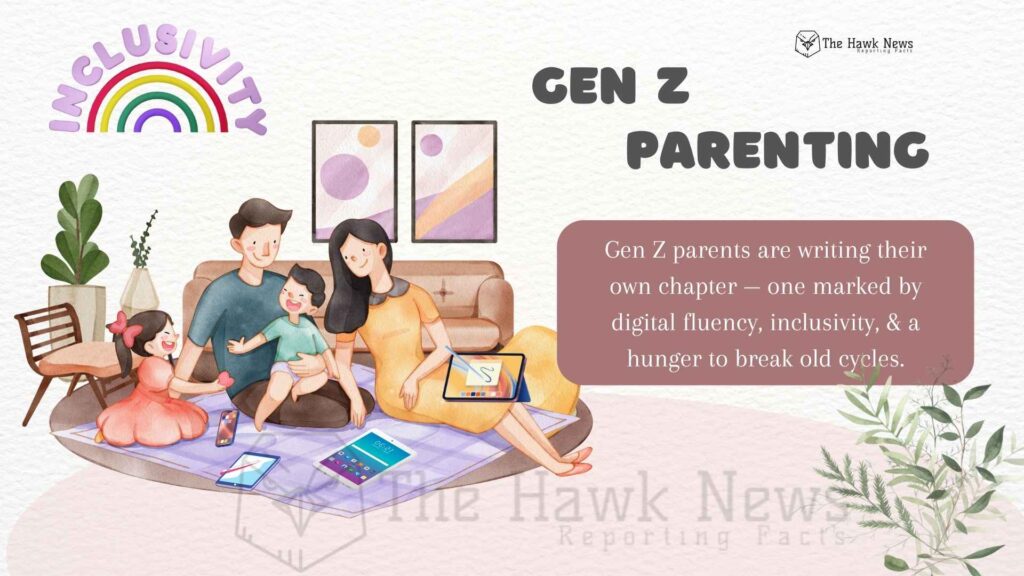
Every parenting generation swings like a pendulum. One era values discipline, the next values freedom. One era stresses survival, the next stresses self-expression. Gen Z parents are writing their own chapter — one marked by digital fluency, inclusivity, and a hunger to break old cycles.
The question is not whether they’re getting it perfectly right. No generation has. The real achievement is that they’re trying consciously, armed with awareness, and willing to admit what isn’t working.
Yes, there will be growing pains. Yes, some choices may backfire. But the revolution itself — the willingness to question, adapt, and evolve — is what makes Gen Z parenting remarkable.
In the end, parenting is never just good, bad, or ugly. It is human. And in that messiness, Gen Z moms and dads are finding their own way.