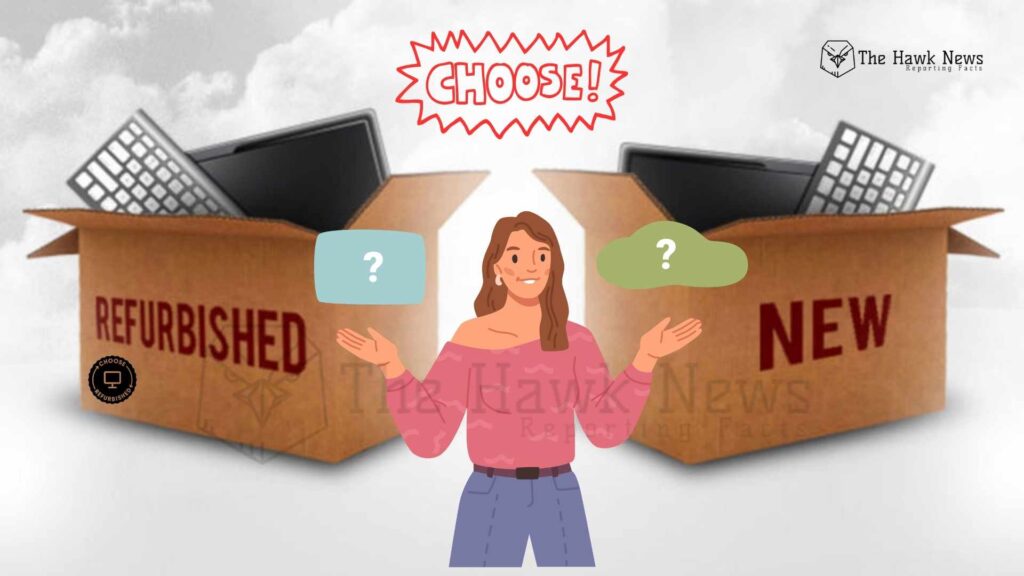
In a world where trends change at the speed of a swipe and gadgets are outdated before the warranty ends, a subtle shift is taking place in consumer behavior.
Once, the shine of “brand new” was irresistible, a badge of status and security. Today, however, a new question has entered the marketplace: are people — especially younger generations — open to refurbished and renewed products, particularly laptops?
The answer is not simple. It sits at the intersection of psychology, economics, sustainability, and cultural perception.
The Allure of the New
For decades, buying new has been synonymous with success. A new car meant progress, a new house meant stability, a new laptop meant capability. The word itself — new — carries an almost magical promise: untouched, pristine, unflawed.
Psychologically, new products deliver a sense of safety. They come with guarantees, warranties, and the reassurance that no one else has touched them. They also deliver status — a freshly unboxed device signals financial strength, relevance, and belonging in a fast-moving digital world.
But newness also feeds a deeper cultural rhythm: consumption as identity. Each upgrade is not just a purchase, but a performance of lifestyle. The latest laptop isn’t only about faster processors; it’s about keeping pace with peers and with society itself.
The Rise of Refurbished Thinking
Enter refurbished products — items once owned, now repaired, restored, and resold. In the past, “refurbished” was a polite way of saying “second-hand.” It carried a stigma: cheaper, riskier, inferior.
But that stigma is softening. Younger buyers, especially Gen Z and Millennials, are questioning the logic of endless upgrading. Why pay double for a shiny box when a renewed device performs the same? Why contribute to mountains of e-waste when reuse is possible?
Refurbished is no longer just about saving money; it’s about making a statement. It signals sustainability, responsibility, and practicality. For a generation raised on climate change awareness and financial caution, that resonates deeply.
Trust: The Missing Link
Yet, despite growing openness, a gap remains: trust. Buying new feels certain; buying refurbished raises questions.
- Will it last?
- Has it been properly tested?
- What if it breaks again?
- Am I just inheriting someone else’s problem?
This is where certification programs, extended warranties, and brand-backed initiatives matter. Apple sells “Certified Refurbished” iPhones and MacBooks with the same guarantees as new. Amazon runs a “Renewed” program, assuring buyers of tested quality. Dell, HP, and Lenovo have similar offerings. By standing behind refurbished products, these companies help normalize them, shifting consumer perception from “second-hand risk” to “smart, sustainable choice.”
Generational Tilt
Research and anecdotal evidence show clear generational divides.
- Gen Z & Millennials: More likely to prioritize affordability and sustainability. Many are willing to buy refurbished laptops, seeing them as eco-friendly and financially wise.
- Gen X & Boomers: Tend to prefer new, equating it with reliability and status. For them, refurbished often carries memories of “used goods” being unreliable.
However, even among older generations, rising costs and environmental awareness are creating slow but steady shifts. Practicality is beginning to outweigh pride.
The Sustainability Argument
Beyond personal preference lies a global urgency: e-waste. The world discards nearly 50 million tonnes of electronic waste each year, much of it toxic and non-recyclable. Laptops are a significant contributor.
Every refurbished laptop sold means one less device in landfills, one less round of raw material extraction, one less strain on the environment. Choosing renewed is not just a financial decision; it is a planetary one.
In this sense, refurbished is not a compromise but a contribution — a way for individuals to align personal choices with collective responsibility.
Cultural Narrative: Shifting Status
The deeper shift may not be about economics or environment but about culture itself. Status once came from owning the newest. Today, status may increasingly come from making the wisest choice.
In some circles, buying refurbished is a mark of savvy — proof that one knows how to navigate a hyper-commercialized world without falling into its traps. It reflects values: mindfulness, resourcefulness, and sustainability.
If new once meant prestige, refurbished may come to mean integrity.
The Laptop as a Case Study
Laptops are the perfect product to explore this shift. They are expensive enough that savings matter, technologically advanced enough that performance matters, and essential enough that trust matters.
A refurbished phone might feel like a gamble, but a refurbished laptop — with warranties and brand certifications — strikes a balance: affordable, sustainable, and practical.
This is why the refurbished laptop market is booming globally, with demand rising among students, startups, and professionals who prioritize function over flash.
So, Where Do We Stand?
Are people ready for refurbished laptops? The answer is evolving.
- Some still crave the new: They want the seal unbroken, the box unopened, the assurance of untouched perfection.
- Others are embracing the renewed: They want value, sustainability, and practicality — a laptop that works just as well without costing the earth (literally and figuratively).
The divide isn’t absolute. It’s generational, cultural, and situational. A CEO may buy new for the office but refurbished for the kids. A student may buy renewed out of necessity but learn to see it as a virtue.
Conclusion: Beyond the Box
In the end, the debate between new and refurbished is about more than laptops. It reflects how we see ourselves, our values, and our place in the world.
Do we define worth by the gloss of newness or by the wisdom of renewal? Do we measure success by consumption or by consciousness?
Perhaps the real future lies not in choosing one over the other but in shifting the cultural lens: to see refurbished not as second-best, but as second-chance — for the product, the buyer, and the planet.
In that light, the question isn’t just whether today’s buyers are ready for refurbished laptops. The deeper question is: are we ready for a renewed way of thinking about ownership itself?