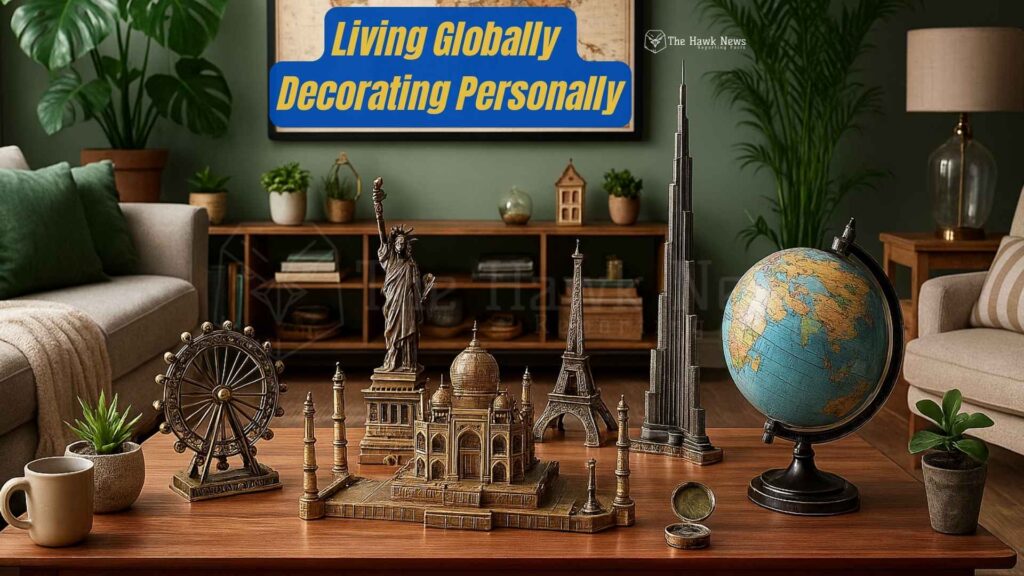
Step into any modern Indian living room and you’ll likely see a curious mix: sleek furniture, a touch of greenery, warm lighting, and tucked somewhere on a shelf — a miniature of the Eiffel Tower, the Taj Mahal, or maybe even the Statue of Liberty.
These little replicas aren’t just souvenirs anymore; they’ve become lifestyle statements. They tell stories of journeys taken, dreams yet to be fulfilled, and an evolving culture where travel and home décor merge into one.
In an age where wanderlust defines a generation, miniature monuments are bridging the gap between travel aspirations and everyday life.
Souvenirs or Lifestyle Essentials?
Traditionally, souvenirs were tokens of memory — magnets, postcards, keychains bought at the end of a trip. They lived quietly on fridge doors or inside dusty drawers. But today, travel souvenirs have transformed into carefully curated pieces of lifestyle décor.
Miniature monuments — the London Eye in brass, a polished Taj Mahal under a glass dome, or the soaring Burj Khalifa in sleek metallic tones — have found their way into living rooms, workspaces, and even wedding décor. They are no longer tucked away but displayed proudly, elevating spaces and sparking conversations.
The modern traveler doesn’t just collect; they integrate. And in doing so, they turn their homes into personal museums of culture, memory, and aspiration.
Why Miniatures Resonate With Us
The appeal of miniature monuments goes beyond simple aesthetics. They hold deeper meaning tied to identity, psychology, and lifestyle.
- Memory Anchors
A small replica of the Statue of Liberty can instantly transport someone back to that misty morning ferry ride in New York. Each piece carries the weight of memory — moments that photos sometimes fail to capture. - Aspirational Energy
For those who haven’t visited yet, a model of the Eiffel Tower or the Colosseum becomes a symbol of hope and motivation. It whispers, “One day, you’ll be here.” - Conversation Starters
Walk into a home and notice a globe paired with the Taj Mahal. Naturally, your curiosity sparks: Where did they get this? Have they been there? Miniatures invite storytelling, connecting people across experiences. - Cultural Curiosity
These objects keep us engaged with the world. A model of the Pyramids on your desk might nudge you to read about Egyptian history or rewatch a documentary about ancient civilizations. - Accessibility
Not everyone can travel often, but miniatures allow people to feel connected to global culture at an affordable price. They democratize wanderlust.
A Blend of Travel and Aesthetics
Lifestyle trends today lean heavily toward personalization. Homes are no longer just shelters; they’re reflections of personality. And in this era, global monuments are serving dual purposes — they are both travel mementos and artistic décor.
Interior designers note how miniatures bring structure and balance to a space. A brass Taj Mahal in the corner adds warmth and tradition.
A chrome-finished Burj Khalifa injects sleek modernism. Paired with plants or books, these tiny monuments transform spaces into visual journeys.
Even corporate offices are catching on — displaying world landmark replicas in lobbies and workstations to project cosmopolitan values.
The Psychology Behind Collecting the World
Why do we humans love to collect pieces of the world? Psychologists suggest it taps into three deep needs:
- Control and Ownership: A miniature lets us “hold” a vast monument in our hands. It turns something grand and faraway into something intimate.
- Identity and Expression: A shelf lined with miniatures is a silent biography — of where you’ve been, what you value, and where you dream of going.
- Comfort and Continuity: Travel ends, but souvenirs let the journey linger. They provide comfort in the rhythm of daily life.
Interestingly, studies show that millennials and Gen Z are more inclined to collect objects tied to experiences rather than pure utility.
For them, a model of the London Eye is less about decoration and more about emotional resonance.
Travel in the Age of Instagram
The Instagram era has supercharged this trend. A photograph of a hand holding a tiny Eiffel Tower against the Paris skyline is iconic. Similarly, people now share shelfies — pictures of curated shelves at home, decorated with travel souvenirs, plants, and books.
The hashtag #TravelDecor reveals thousands of such setups — blending wanderlust with aesthetic living. It’s not just about where you’ve been; it’s about how beautifully you showcase it.
Sustainability and Souvenirs
There’s also a sustainable twist. Instead of buying plastic keychains, more travelers are opting for brass, wood, or ceramic miniatures that last longer and don’t end up in landfills.
Eco-conscious artisans in India are even crafting hand-painted mini Taj Mahals or carved wooden globes, supporting local crafts while feeding global curiosity.
This shift aligns with a growing lifestyle trend — mindful consumerism. People want souvenirs that not only look good but also align with values of longevity and sustainability.
Miniatures as Modern Heirlooms
Here’s a thought: could these tiny monuments become heirlooms of tomorrow? Imagine a grandparent passing down a globe dotted with pins, alongside miniatures of every place they visited.
For the younger generation, these objects become tangible legacies of family stories and aspirations.
It’s a gentle reminder that lifestyle isn’t just about present trends; it’s about creating connections across generations.
India’s Own Love Affair with Miniatures
India has long embraced miniature art — from Mughal paintings to intricate Rajasthani figurines. Today, that heritage continues in the way Indians collect Taj Mahal replicas, Jaipur’s Hawa Mahal miniatures, or Kerala houseboat models.
Pair these with global icons like the Statue of Liberty or London Eye, and you’ll find a fusion that reflects India’s evolving identity: rooted in tradition, yet reaching out to the world.
The Future of Travel Décor
As global travel continues to grow, so will the trend of travel-inspired lifestyle décor.
Soon, we may see augmented reality miniatures — tiny monuments that light up with stories when scanned through a phone. Or 3D-printed custom souvenirs based on personal experiences (like a model of the exact café where you proposed).
The point remains the same: people want to live with their travels, not just remember them.
Conclusion: Living Globally, Decorating Personally
The rise of miniature monuments in lifestyle décor is more than a design fad. It’s a reflection of how deeply travel shapes our modern identity.
These little replicas allow us to live globally, dream endlessly, and decorate personally.
So, the next time you see a miniature Taj Mahal or Burj Khalifa on someone’s shelf, don’t dismiss it as a trinket. See it for what it truly is — a bridge between past journeys, present lifestyles, and future dreams.
Because sometimes, holding the world in your hands begins with something as small as a brass monument on your shelf.