The Hidden Battle Seniors Face in the Digital Era
Introduction
India is in the midst of a digital revolution. From banking to shopping, everything has shifted online, and convenience has never been higher. But alongside this digital progress, a darker side has emerged—cybercrime is exploding at an alarming pace.
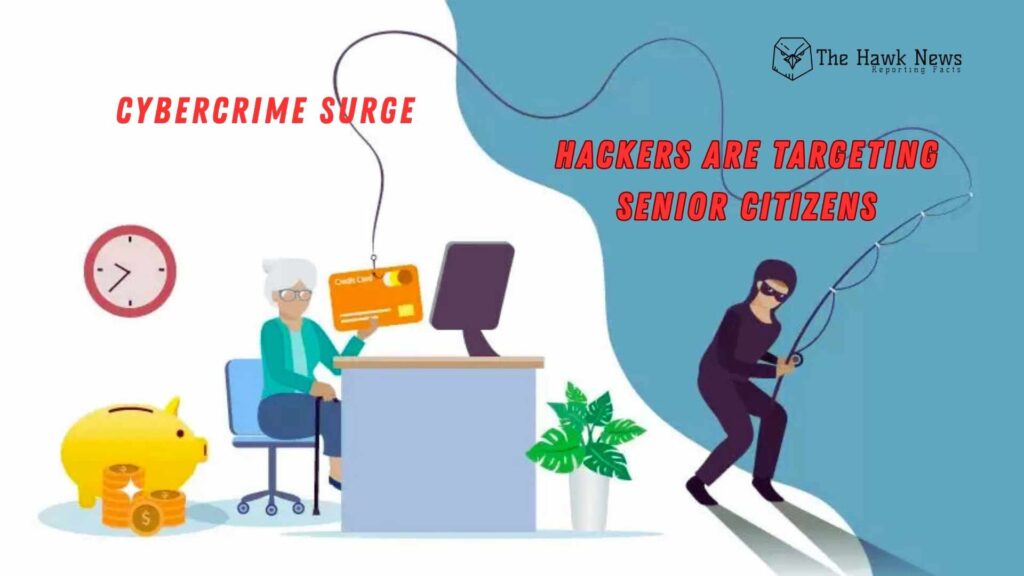
While anyone can be a victim, one group has become particularly vulnerable: senior citizens.
Seniors, who once lived in a world where trust was the currency of human interaction, now find themselves navigating a digital space full of deception.
Hackers and scammers are exploiting their trust, unfamiliarity with technology, and often their isolation. The results? Financial losses, emotional trauma, and shaken confidence.
This article unpacks why seniors are being targeted, how these crimes happen, and what can be done to protect our elders in India’s rapidly digitizing society.
Why Senior Citizens Are at Risk
Hackers don’t choose victims randomly. They carefully identify groups that are most likely to fall for their tricks—and seniors often tick all the boxes:
- Trusting Nature
Many grew up in a world where official calls or letters were genuine. They are more likely to believe someone claiming to be from a bank or government agency. - Limited Tech Familiarity
While younger generations can quickly identify a phishing email or a fake app, seniors may struggle to spot the difference. - Financial Vulnerability
Retirees often live on pensions or savings. Losing even a small amount can cause huge disruption. - Social Isolation
Loneliness is another factor. Hackers exploit this by posing as friends, relatives, or helpful “support staff.” - Fear of Being Left Behind
Seniors often feel pressure to “keep up” with technology to stay connected to family or manage finances, making them easy prey when something looks urgent.
Common Cybercrimes Affecting Seniors
1. Phishing Calls and Emails
Fraudsters call or email pretending to be bank staff, asking seniors to “update KYC” or “verify account details.” Once sensitive information is shared, money vanishes within minutes.
2. WhatsApp & Social Media Scams
Hackers impersonate a relative’s account and send desperate messages like, “Please send ₹10,000 urgently, I’m stuck!” Trusting seniors transfer money before realizing it’s a scam.
3. Tech Support Frauds
A popup warns of a “virus infection,” urging seniors to call a number. Fake technicians then demand payment or install malware to steal information.
4. Investment & Lottery Traps
Schemes promising high returns or surprise lottery winnings lure retirees. Greed isn’t always the reason—sometimes, it’s hope for financial stability.
5. AI & Deepfake Scams
The scariest new threat. With just a few seconds of voice data, scammers can clone a family member’s voice. Imagine a senior receiving a call in their child’s voice saying, “Dad, I’m in trouble, send money now.” Many fall for it instantly.
Real-Life Cases
- Delhi Incident (2024): A retired bank manager lost over ₹12 lakhs after a fraudster posing as “RBI staff” tricked him into sharing OTPs.
- Bangalore Couple: A popup claiming “Windows security alert” led them to install remote access software. Scammers wiped their fixed deposits within hours.
- AI Voice Scam: A Hyderabad senior wired money after hearing what he believed was his son crying over the phone. Only later did he discover it was an AI-generated voice.
These aren’t rare stories anymore—they’re happening across India, daily.
The Psychological Angle
Cybercrime doesn’t just steal money; it steals peace of mind. For seniors, the emotional impact can be devastating:
- Shame: Many feel embarrassed to admit they were tricked.
- Fear: Some avoid online transactions altogether, isolating themselves further.
- Distrust: Victims often lose trust not just in technology, but in people around them.
This emotional toll is why cybercrime against seniors isn’t just financial fraud—it’s a silent health crisis, too.
How to Protect Seniors from Cybercrime
1. Awareness is the First Shield
Families and communities must educate seniors about basic online safety. For example:
- Banks never ask for OTPs over the phone.
- Always verify unknown numbers by calling back official helplines.
- No legitimate agency demands payment via gift cards or immediate transfer.
2. Community & Bank Initiatives
Local Residents’ Welfare Associations (RWAs), NGOs, and banks can hold digital literacy workshops tailored for seniors. Practical demonstrations are far more effective than leaflets.
3. Family Involvement
Children and grandchildren must play an active role. A simple weekly check-in on seniors’ phones and messages can prevent fraud.
4. Strengthening Tech Safeguards
- Enable multi-factor authentication on all accounts.
- Use secure, verified apps.
- Install fraud-detection or scam-alert apps on seniors’ devices.
5. Government’s Role
The Indian government’s 1930 cybercrime helpline is an excellent step. But awareness of such helplines remains low. Campaigns specifically aimed at seniors can save countless lives and savings.
The Future of Cybercrime
Cybercrime is evolving as fast as technology. AI will make scams more convincing, and deepfakes may become harder to distinguish from reality. But so will defense systems—banks, cybersecurity firms, and governments are working to stay ahead.
Still, the best protection remains human awareness and vigilance. Technology may build walls, but wisdom teaches us where the gates are.
Conclusion
Cybercrime is not just a battle fought on servers—it’s a battle fought in homes, often in the hearts and minds of our senior citizens. Protecting them is not only about financial security, but about restoring dignity, confidence, and peace of mind.
As India continues its digital journey, we must ensure that progress does not leave our elders behind—or worse, make them targets. Families, communities, and institutions together can create a safer digital world.
Because at the end of the day, cybersecurity is not just about firewalls and passwords—it’s about protecting people, especially those who once protected us.