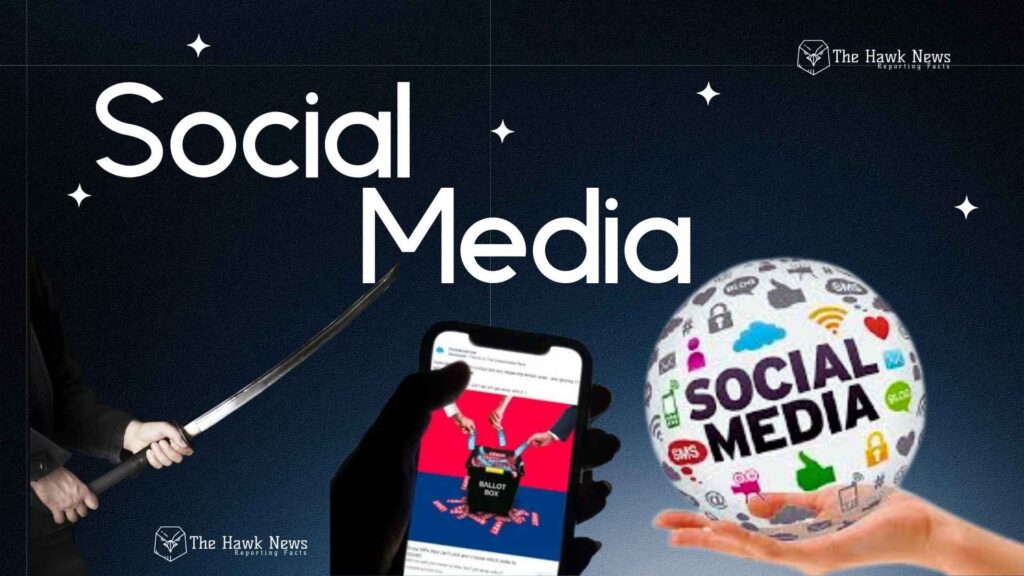
In the age of digital connectivity, politics no longer plays out solely in the chambers of parliaments or the streets filled with rallies. Instead, the new battleground is social media—Facebook, Instagram, X (formerly Twitter), YouTube, and even TikTok.
Politicians, once reliant on television debates and newspaper columns, now chase virality with memes, reels, and hashtags. Social media has become both the microphone and the magnifying glass of modern politics.
But like every powerful tool, it comes with a paradox. On one side, it democratizes access, giving ordinary people a voice in national conversations.
On the other, it can mislead, manipulate, and polarize. And caught in the very center of this storm is the young generation—the digital natives whose likes, shares, and retweets can tilt the scales of democracy itself.
The question is not whether social media influences elections. It certainly does. The real question is: Do young voters have the discernment to wield this power responsibly—or will they be swept away by its darker currents?
The Power of Social Media in Politics
Social media has revolutionized election campaigns in several undeniable ways:
- Accessibility and Reach – A single post can reach millions, breaking the monopoly of traditional media. Politicians no longer need massive budgets to broadcast their vision; a smartphone camera and a few well-crafted words can go viral.
- Direct Connection – Candidates can speak directly to voters without filters. Platforms allow livestreams, Q&A sessions, and behind-the-scenes glimpses that humanize politicians.
- Youth Mobilization – For the younger generation, social media isn’t just entertainment—it’s the public square. Hashtags like #MeToo, #BlackLivesMatter, or #FarmersProtest show how youth-driven movements can capture political momentum.
- Creativity and Humor – Memes and short videos have replaced long manifestos as tools of persuasion. A witty tweet or a viral reel can sway undecided voters far more effectively than policy documents.
Simply put, social media gives power to those who know how to harness it. But with that power comes danger.
The Dark Side of the Digital Arena
While social media brings inclusivity and vibrancy to democracy, it also hides shadows:
- Misinformation and Fake News: False claims spread faster than the truth. During elections, doctored videos, misquoted statements, and fake polls flood timelines. Once shared, they plant seeds of doubt—even if later debunked.
- Echo Chambers: Algorithms show us what we already like. This creates bubbles where people only see views that confirm their biases, further deepening divides.
- Bot Armies and Troll Factories: Many accounts are not real people but automated systems designed to manipulate public opinion. These bots amplify certain narratives, drown dissent, and create an illusion of popularity.
- Emotional Manipulation: Social media thrives on outrage and fear. Politicians exploit this by using divisive content that triggers emotions rather than reason.
For the average voter, especially the young, navigating this labyrinth requires more than enthusiasm—it requires discernment.
Why Youth Are the Most Vulnerable
Gen Z and Gen Alpha live in a world where digital is default. Their awareness of technology is unmatched. Yet, paradoxically, their trust in online content often makes them vulnerable.
- Emotional Appeal – Young voters are passionate. They respond quickly to causes and slogans, which makes them highly mobilizable—but also more easily misled.
- Speed Over Depth – Scrolling through dozens of reels a day encourages snap judgments. Politics, however, requires patience and nuance.
- Peer Pressure and Trends – Youth culture thrives on trends. When political slogans become hashtags, joining in feels less like voting and more like participating in a viral challenge.
- Lack of Historical Context – Older generations recall past leaders, policies, and mistakes. Young voters often engage with politics as if everything starts fresh—making it easier for them to fall for recycled promises.
In short, the very strengths of young people—their energy, enthusiasm, and digital fluency—can be twisted into weaknesses when discernment is absent.
Discernment: The Shield Against Manipulation
The solution is not to fear social media, but to master it. For young voters, discernment is their greatest defense.
- Fact-Check Before Sharing: With fake news rampant, every share is a responsibility. Cross-checking sources, verifying headlines, and relying on credible outlets can prevent the spread of misinformation.
- Engage, Don’t Just React: Instead of hitting like or share in the heat of the moment, young voters must pause to ask: What does this really mean?
- Balance Voices: Following politicians and media from multiple perspectives helps break out of echo chambers.
- Recognize Manipulation: If a post makes you angry or afraid instantly, it’s likely designed to manipulate. Awareness itself is a shield.
- Elevate Substance Over Spectacle: Memes may be fun, but they should not replace manifestos. The real test of a leader lies in policies, not punchlines.
By practicing these habits, youth don’t just protect themselves—they protect democracy.
Case Studies: When Social Media Shaped Politics
- The 2016 U.S. Presidential Election: Social media campaigns, targeted ads, and fake news played a decisive role. Russian bot farms were accused of influencing American voters.
- India’s 2019 General Elections: WhatsApp became a major battleground, with millions of messages circulated daily—many of them later exposed as misleading.
- Brazil’s Elections: In 2018, misinformation campaigns on WhatsApp were so intense that they reshaped political discourse and tilted results.
These examples show that elections are no longer just fought with rallies and posters—they are fought with algorithms and hashtags.
Who Holds the Future?
The young generation. With over 60% of India’s population under 35, and with similar patterns worldwide, youth votes often decide outcomes.
And since they dominate social media spaces, they are both the targets and the arbiters of digital politics.
If they lack discernment, they risk becoming pawns. But if they cultivate awareness, they become guardians—protectors of truth and fairness in democracy.
Conclusion: A Call to the Young Guardians of Democracy
Social media is neither a villain nor a savior. It is a tool—a double-edged sword. For politicians, it is the sharpest weapon ever invented. But for the youth, it can either be a trap or a torch.
The future of democracy depends not just on how politicians use social media, but on how wisely the young navigate it. With discernment, they can rise above manipulation, demand accountability, and create movements that truly reflect their values.
The message is simple: scroll, but question. Share, but verify. Like, but think.
Because in this digital age, the young are not just voters. They are the conscience of democracy.