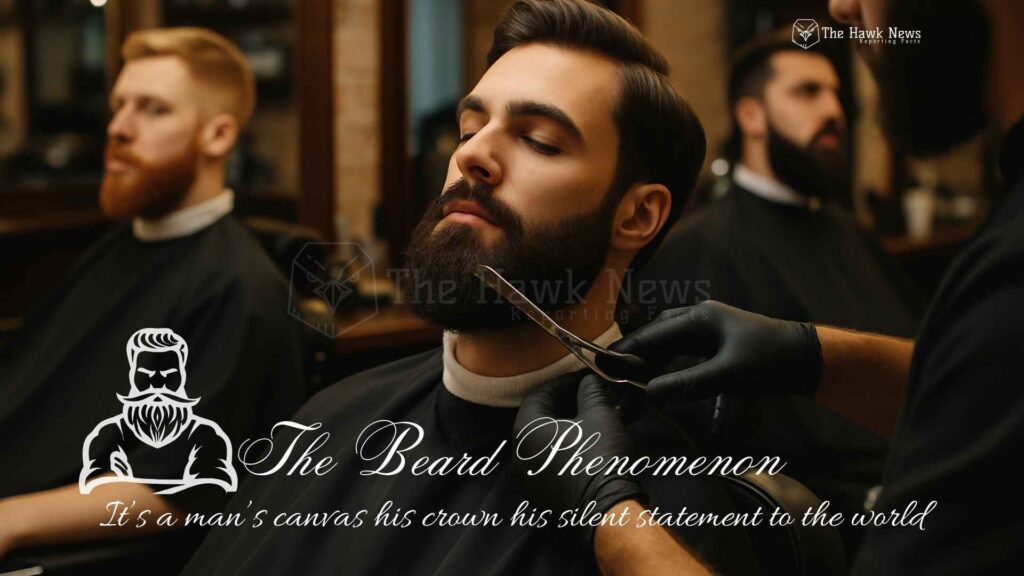
In today’s fast-changing world of style, fashion, and personal identity, one timeless element has risen above trends to become a cultural symbol: the beard.
From rugged stubble to long, flowing facial hair, men’s fascination with beards has turned into more than just a grooming choice—it is now a statement of personality, pride, and even philosophy.
But what drives this obsession? Why are men across the globe increasingly investing time, money, and effort into growing, styling, and showcasing their beards?
This article explores the cultural roots, modern-day fascination, booming grooming industry, and psychological meaning behind men’s attachment to their beards.
A History Written in Hair
Beards are not new—they are as old as human civilization. Ancient cultures often considered them a symbol of wisdom, masculinity, and honor. Egyptian pharaohs wore stylized “false beards” to signify power. Greek philosophers like Socrates and Plato sported thick beards that became synonymous with intellect. In medieval Europe, touching another man’s beard was considered an insult, often leading to duels.
Across time, the beard has shifted meanings—sometimes associated with rebellion, sometimes with respectability, and often with sheer survival in harsher climates. This historical backdrop continues to influence modern beard culture, where men see facial hair as more than style: it is heritage, continuity, and identity.
The Modern Beard Renaissance
While the late 20th century leaned towards clean-shaven looks, the 21st century has seen a dramatic comeback of beards. Movements like “No Shave November” and “Movember” encouraged men to grow facial hair for cancer awareness. Celebrities, athletes, and influencers embraced unique beard styles, making it fashionable once again.
Social media platforms like Instagram and TikTok became showcases for beard transformations, grooming routines, and styling hacks. Men began competing in beard competitions, while grooming brands marketed oils, balms, and trimmers with promises of fuller, shinier, and more attractive beards.
The result? A beard renaissance that shows no signs of slowing down.
Grooming as a Lifestyle
Beard culture has grown into a lifestyle, with a booming grooming industry backing it. Men’s grooming is now a billion-dollar market, and a large chunk of it revolves around facial hair care. Specialized barbershops, called “beard parlors,” have opened in cities worldwide, offering services that go beyond haircuts to beard shaping, oil treatments, and luxury trims.
From beard combs made of sandalwood to organic oils infused with essential herbs, men are willing to spend more than ever before to keep their beards in perfect condition. The beard industry has even driven affiliate marketing and influencer culture—many men online promote beard products, creating a global brotherhood of grooming enthusiasts.
Masculinity, Identity, and Confidence
So why do men love their beards so much? Psychologists suggest that beards are not just physical—they represent internal ideas of strength, maturity, and self-expression.
- Masculinity: Beards are often linked with testosterone and perceived manliness. Many men see their beard as proof of adulthood and vitality.
- Confidence: Studies have shown that men with beards are often rated as more confident, assertive, and dominant. Growing a beard can boost self-esteem.
- Individuality: With so many styles—goatee, full beard, stubble, fade, or handlebar—men use facial hair to stand out, creating an identity that feels personal and unique.
Beards are also inclusive—they transcend age, culture, and profession. Whether in the boardroom or the gym, a beard adds a certain charisma.
Beards in Culture, Fashion, and Art
Beyond personal identity, beards inspire creativity. Designers, artists, and creators often look at the beard as a muse. From Renaissance paintings to modern fashion runways, facial hair has shaped aesthetics.
In today’s culture, beard-inspired art is found in clothing prints, logo designs, and even architecture motifs. Streetwear brands often celebrate bearded icons, while musicians and actors with distinctive beards—think Jason Momoa or Ranveer Singh—set fashion trends for their fans.
This fusion of masculinity, art, and culture has made beards more than hair—they are a canvas.
A Spiritual Connection
For many, beards are also spiritual. In Sikhism, keeping uncut hair, including the beard, is an expression of faith and respect for divine creation. In Islam, the beard is considered a sunnah (tradition of the Prophet). In Christianity, beards were often associated with early saints, monks, and men of wisdom.
Even outside religion, the beard carries symbolism. For some, it is a reminder of patience, growth, and authenticity. In a fast-paced modern world, the slow and steady process of growing a beard teaches endurance and care.
The Beard Brotherhood
One fascinating trend is how men connect through beards. Online forums, Instagram communities, and YouTube channels are dedicated solely to beard care, styling tips, and growth journeys. Men bond over products, techniques, and progress pictures.
These spaces create not just grooming guides but also friendships, confidence-building, and even business collaborations. Beard culture has built a community where men celebrate not only their facial hair but also their shared identity.
Conclusion: More Than Just Hair
The fascination with beards is not simply about looks—it is about identity, confidence, culture, and spirituality. A beard is a man’s canvas, his crown, his silent statement to the world.
Whether in history, fashion, business, or faith, the beard has always carried meaning, and today, it stands as a bridge between tradition and modernity. What was once seen as “just hair” is now a global movement of style, self-expression, and pride.
In the end, the obsession with beards reflects something deeper: the timeless human need to define oneself, stand out, and embrace one’s authentic form.