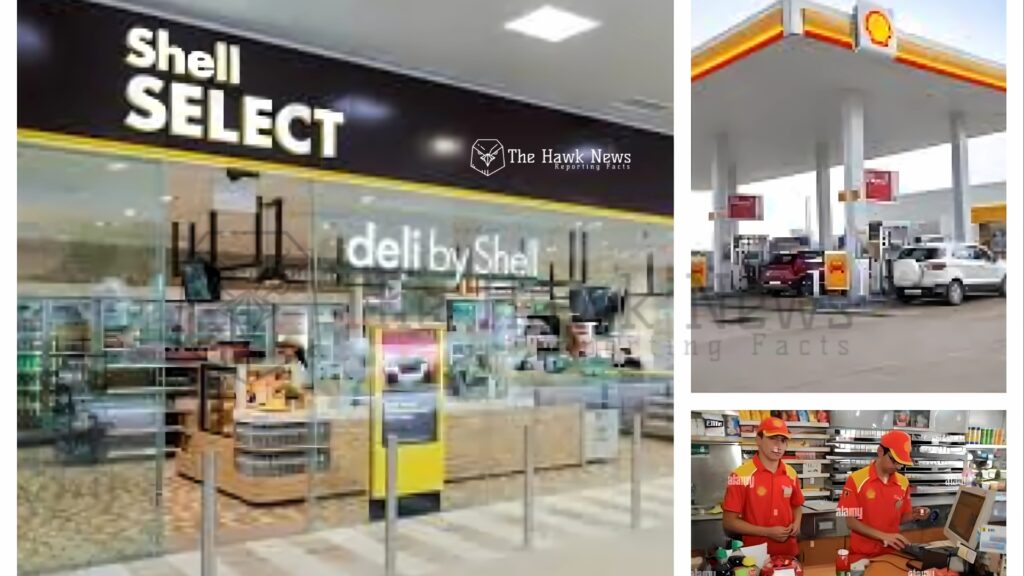
When most of us think of a petrol station, the first image that comes to mind is a place to quickly refuel and move on. But Shell, one of the world’s largest energy companies, has changed this perception by turning its petrol bunks into round-the-clock lifestyle hubs.
Today, many Shell stations are not just about petrol or diesel—they’re about convenience, comfort, and even community.
This transformation is a story of how a century-old oil company has adapted to modern consumer behavior, reimagining the humble fuel station into something far bigger.
A Quick Look at Shell’s Journey
Founded in 1907, Royal Dutch Shell (commonly known as Shell) emerged from the merger of Royal Dutch Petroleum Company and Shell Transport and Trading Company of the UK. The iconic yellow-and-red scallop shell logo has since become one of the most recognizable brand symbols worldwide.
Over the decades, Shell expanded rapidly, operating in 70+ countries, serving millions of customers every day, and investing heavily in oil exploration, refining, and retail. With its premium fuel offerings like Shell V-Power, the company established itself as a brand synonymous with performance, reliability, and innovation.
But as times changed and consumer lifestyles evolved, Shell realized that simply selling fuel was not enough. People wanted more from their journeys—and Shell was ready to provide it.
The Retail Revolution: From Fuel Stops to Shopping Hubs
The turning point came when Shell decided to reinvent the petrol bunk experience. Instead of being just a pit stop, why not make it a destination?
Enter the Shell Select stores.
At many Shell stations, you’ll now find convenience shops stocking everything from snacks, packaged food, groceries, cold drinks, and bakery items to hot meals, coffee, and even fresh produce in some locations. These stores are designed to serve not just travelers but also locals who find it easier to pick up essentials here than to go to a crowded supermarket.
The design itself is customer-friendly—bright, modern layouts with clear shelves, quick billing counters, and digital payment options. The idea was simple: if you come for fuel, why not grab what you need for the road or even for home?
This strategy has proven successful because it taps into human convenience. Time-pressed consumers, especially in urban areas, love the idea of combining errands with fuel stops.
24/7 Access: A Smart Move for Modern Times
One of Shell’s smartest business decisions was keeping these stores open 24 hours a day, 7 days a week.
For late-night drivers, truck operators, delivery workers, or young people coming back from night shifts and parties, Shell’s stations became more than just a fueling point—they became a safe haven. With clean facilities, snacks, and coffee always available, Shell created trust and reliability.
Even during odd hours, customers know they can stop by and get not just petrol, but also food, water, or other essentials. This round-the-clock model has significantly boosted Shell’s non-fuel revenue, which is becoming increasingly important in an era where fuel consumption patterns are shifting due to electric vehicles and greener transport.
Why Shell’s Model Works
The success of Shell’s petrol bunk transformation lies in three things:
- Customer Experience
Shell stations are often praised for their cleanliness, well-maintained restrooms, and polite service. Unlike many local petrol stations, Shell makes an effort to create a premium experience. - Convenience in One Stop
In today’s fast-paced lifestyle, people prefer solutions that save time. Being able to refuel, grab a coffee, and shop for basics in one place is a winning formula. - Safety and Accessibility
24-hour open stations act as safe checkpoints on highways and city outskirts, providing comfort for long-distance travelers.
For Shell, the idea was never just to sell fuel—it was to sell ease and trust, making their stations stand out in a highly competitive market.
The Competition: How Shell Stands Out
Shell is not alone in diversifying beyond fuel. Competitors around the world have tried similar approaches.
- BP’s Wild Bean Café (in Europe and other countries) offers coffee and snacks at BP stations.
- ExxonMobil’s On the Run stores in North America sell groceries and quick meals.
- In India, Indian Oil, BPCL, Reliance, and HPCL have experimented with tie-ups with food chains like McDonald’s, Café Coffee Day, or Subway.
Yet, Shell’s approach feels more consistent and premium. Unlike some competitors who only attach third-party food outlets, Shell integrates the retail store as part of its own brand identity. Customers know they’re entering a “Shell Select” space, not just a random café operating at a station.
This brand uniformity gives Shell an edge—it’s not just fuel plus food, it’s a curated Shell experience.
The Bigger Business Picture
Why is Shell investing so much in this model? The answer lies in the future of energy.
With the world moving towards electric vehicles (EVs), alternative fuels, and clean energy, demand for traditional petrol and diesel will eventually decline. For fuel companies, the challenge is to stay relevant and profitable even when fewer cars rely on fossil fuels.
By turning petrol stations into multi-purpose service hubs, Shell is future-proofing its retail business. Even if EVs dominate the roads, drivers will still need rest stops, food, and shopping options. Shell’s stations could easily adapt by adding EV charging ports while keeping their 24/7 retail alive.
In this way, Shell isn’t just fueling cars—it’s fueling lifestyles.
A Human and Spiritual Connection
At its core, Shell’s strategy is a reminder that business success often comes from understanding human needs. Travelers don’t just need petrol—they need rest, safety, food, and comfort. Shell listened, adapted, and transformed its offering.
This move also highlights a deeper truth: in a world that never sleeps, people value accessibility and trust. A 24-hour Shell station becomes more than a fuel stop—it becomes a beacon of reliability, helping people on their journeys.
From an energy provider to a service innovator, Shell has shown how businesses can evolve by staying connected to human behavior and societal shifts.
Conclusion
Shell’s story is more than corporate strategy—it’s a reflection of adaptability in business. What was once a simple petrol station has now become a hub of convenience, safety, and lifestyle. By introducing 24-hour stores, prioritizing customer experience, and looking ahead to a future with EVs, Shell has cemented its place as a brand that fuels both engines and lives.
In many ways, Shell has proven that success isn’t just about selling products—it’s about creating experiences people can rely on, day and night.