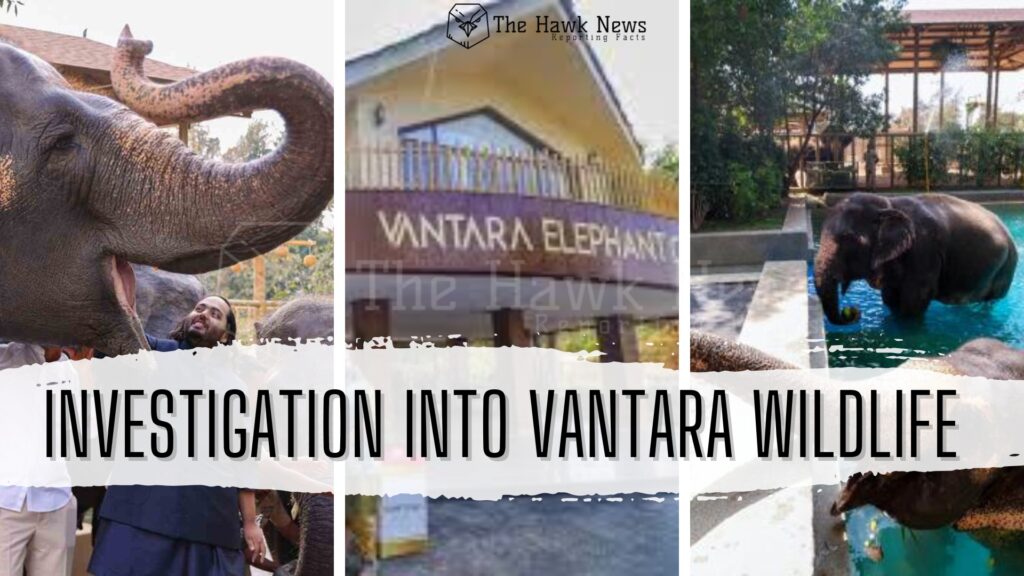
India’s Supreme Court has mandated an independent investigation into Vantara, a private wildlife rescue and rehabilitation center located in Jamnagar, Gujarat. The facility, established by Anant Ambani, son of billionaire Mukesh Ambani, has come under scrutiny following allegations of illegal animal acquisitions and mistreatment.
Background of Vantara
Vantara, spanning 3,500 acres, houses over 150,000 animals across more than 2,000 species. It is operated by the Greens Zoological Rescue and Rehabilitation Centre under the Reliance Foundation. The center was inaugurated in March 2025 and has been promoted as the world’s largest wild animal rescue facility.
Allegations and Legal Action
The Supreme Court’s decision follows public interest litigations filed by non-governmental organizations and wildlife groups. These petitions raised concerns about potential violations of the Wild Life Protection Act and the Recognition of Zoo Rules. Specifically, the allegations focus on the legality of animal imports and the adequacy of care provided to the animals.
In response, the Court has constituted a Special Investigation Team (SIT), led by a former Supreme Court judge, to examine these issues. The SIT is expected to submit its findings by September 12, 2025.
Vantara’s Response
Vantara has pledged full cooperation with the investigation. The center maintains that all animals were legally acquired and that it adheres to all relevant regulations. Representatives have expressed confidence that the inquiry will affirm the facility’s commitment to animal welfare.
Political Implications
The case has garnered significant attention due to the involvement of prominent political figures. Prime Minister Narendra Modi inaugurated Vantara in 2025, highlighting the project’s alignment with national conservation efforts. The ongoing investigation underscores the judiciary’s role in ensuring accountability in wildlife conservation initiatives.
Conclusion
The Supreme Court’s investigation into Vantara highlights the growing scrutiny over large-scale wildlife initiatives, even when backed by influential figures.
While the center continues to assert its commitment to animal welfare, the inquiry underscores the importance of transparency, regulation, and accountability in conservation projects.
The findings of the SIT will be closely watched, as they could set significant precedents for how private wildlife facilities operate in India.