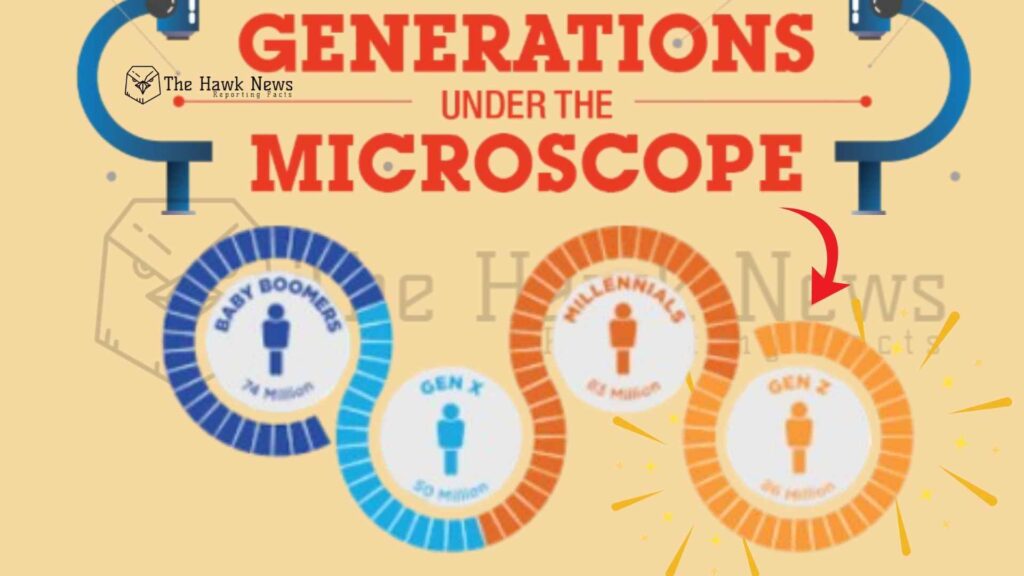
Introduction: A Generation Under the Microscope
Every generation comes of age with labels—Millennials were once accused of entitlement, Gen X of cynicism, and Baby Boomers of privilege. Now, as Gen Z (born between 1997–2012) steps into adulthood, they carry both promise and controversy.
Hailed as digital natives with strong voices for climate action, inclusivity, and social justice, they are also increasingly criticized for what many see as a reckless attitude toward accountability.
From viral social media challenges to workplace clashes over authority, this generation often seems caught between demanding accountability from others while resisting it themselves. But is the criticism justified, or is Gen Z simply redefining responsibility in a rapidly changing world?
Gen Z and Accountability: A Complicated Relationship
Gen Z grew up in an era of political polarization, economic instability, and climate crises. They were raised with smartphones, social media validation, and instant gratification. These influences have shaped their approach to responsibility.
- Cancel Culture Paradox: Gen Z is at the forefront of holding celebrities, politicians, and brands accountable through cancel culture. Yet, critics argue that the same generation often avoids personal accountability, dismissing mistakes as part of “self-expression.”
- Workplace Accountability: In offices, Gen Zers are vocal about toxic cultures, long hours, and poor management. While this has sparked important reforms, older managers sometimes see them as unwilling to “pay their dues.”
A 2023 Deloitte Global Gen Z and Millennial Survey found that while 46% of Gen Z respondents worry about job security, many prioritize work-life balance and personal well-being over career advancement—a shift older generations interpret as irresponsibility.
Real-Life Examples: When Accountability Is Tested
- Quiet Quitting and Job-Hopping
The “quiet quitting” trend—where employees do the bare minimum at work rather than going beyond their roles—went viral on TikTok in 2022. It resonated strongly with Gen Z professionals who rejected “hustle culture.” But for employers, it raised questions about accountability: Is refusing to go above and beyond a fair boundary or a reckless dismissal of professional responsibility? - Social Media Recklessness
Platforms like Instagram, YouTube, and TikTok are both Gen Z’s playground and battleground. Reckless behaviors have often made headlines:- Dangerous viral challenges (from “milk crate challenges” to risky stunts) have led to accidents.
- Oversharing personal lives online has resulted in firings and reputational damage. For instance, multiple cases in India and the U.S. surfaced in 2023 where young employees lost jobs after controversial posts went viral.
- Campus Activism and Global Movements
Gen Z has been front and center in global protests, from Fridays for Future climate strikes to Indian student demonstrations against education reforms. Their passion is undeniable. Yet, critics point out that activism sometimes fizzles into online hashtags without long-term structural follow-through. - Financial Responsibility
Across India and abroad, rising credit card defaults among young professionals have highlighted a concerning trend. According to an RBI report in late 2023, credit card debt in urban youth rose sharply, with impulsive spending and “buy now, pay later” schemes playing a role. While this reflects consumer culture, it also speaks to questions of financial accountability.
The Self-First Mindset: Mental Health Over Grind Culture
Unlike previous generations who often prioritized stability, Gen Z has placed mental health and self-care at the top of their agenda. On one hand, this is progressive: conversations around therapy, burnout, and anxiety are healthier and more normalized than ever before.
But critics argue this self-first mindset sometimes crosses into escapism:
- Frequent job switching in pursuit of “happiness” rather than resilience.
- The refusal to tolerate difficult bosses or conditions, sometimes labeled “reckless impatience.”
- Heavy reliance on validation through likes, comments, and digital visibility.
According to the Pew Research Center, Gen Z reports the highest rates of anxiety and depression among all age groups, fueling their emphasis on self-care. Yet the paradox remains—how can accountability thrive if personal comfort always comes first?
Cultural Shifts: Why Older Generations Are Concerned
The generational divide is stark. For Boomers and Gen X, accountability meant stability: a steady job, long-term commitment, and delayed gratification. Gen Z, however, lives in a world of gig work, short-term contracts, and fast-changing technology.
Criticism often comes in three forms:
- Workplace clashes – Senior managers claim Gen Z lacks patience, citing examples of employees resigning within months if conditions don’t meet expectations.
- Instant gratification – From food delivery apps to swipe-based dating, Gen Z’s environment has trained them to expect immediate results—an attitude some argue spills into life decisions.
- Public consequences – Increasingly, young people face backlash for online recklessness. In 2024, several Indian influencers faced legal action for dangerous stunts in public spaces, sparking debates on digital accountability.
Gen Z’s Redefinition of Accountability
Despite criticism, Gen Z’s approach isn’t entirely reckless—it’s transformative.
- Demand for Transparency: From politicians to multinational corporations, Gen Z demands honesty, ethics, and inclusivity. Their boycotts and campaigns have forced brands to rethink strategies.
- Boundary-Setting at Work: By rejecting overwork, Gen Z may pave the way for healthier workplaces, challenging outdated notions of productivity.
- Social Awareness: This generation’s activism has amplified conversations around climate change, gender equality, and LGBTQ+ rights in ways no prior generation has.
In many ways, Gen Z isn’t avoiding accountability—they’re reshaping its meaning. For them, accountability doesn’t mean blind loyalty to systems, but demanding fairness, mental well-being, and integrity.
The Future: Reckless or Revolutionary?
The truth likely lies in the middle. Gen Z’s relationship with accountability is neither entirely reckless nor perfectly responsible. Their critics see entitlement where they see self-respect. Their skeptics see instability where they see adaptability.
But as this generation matures into leadership roles, the world will witness whether their redefinition of accountability leads to stronger ethical systems or simply weaker personal responsibility.
Conclusion
Gen Z is a paradox. They hold others accountable with an iron grip yet struggle to always apply the same standards to themselves. They reject toxic systems but sometimes fail to build alternatives. They value authenticity and mental health, but critics accuse them of recklessness and escapism.
Ultimately, Gen Z is not a lost generation—they are a transition generation. By questioning outdated norms and prioritizing self-care, they may be laying the foundation for a world that balances responsibility with humanity. But whether this vision materializes depends on how they evolve in the coming decade—whether they transform accountability into a collective strength or remain trapped in cycles of avoidance.