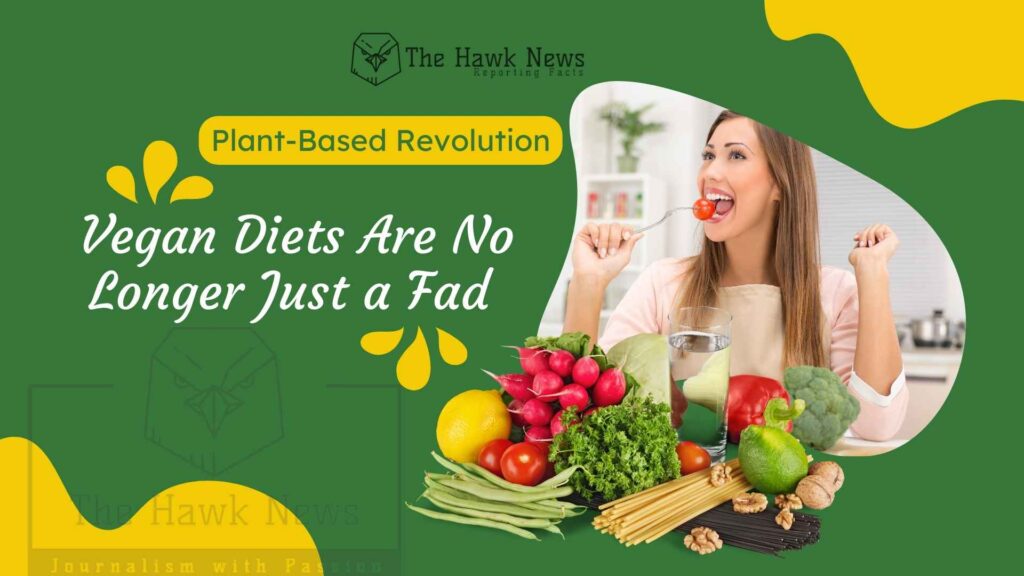
From Fringe to Fame: The Vegan Shift
When Billie Eilish used her platform at the 2021 Met Gala to promote plant-based fashion and vegan diets, critics dismissed it as another celebrity trend. Yet just a few years later, veganism has moved far beyond Hollywood endorsements.
Global fast-food giants like McDonald’s now serve plant-based burgers, supermarkets dedicate aisles to vegan products, and cities like London and Berlin are ranked among the world’s most vegan-friendly.
What was once a niche lifestyle choice has transformed into a mainstream revolution—fueled by health science, climate urgency, and cultural coolness.
The Rise of Veganism: Numbers Don’t Lie
The global plant-based food market, valued at around $44 billion in 2022, is projected to grow beyond $77 billion by 2029. In India, traditionally vegetarian cuisines are being rebranded as “plant-forward,” while in the U.S. and Europe, veganism has grown by over 300% in the last decade.
Restaurants that once resisted are now embracing the trend. Starbucks, Burger King, and Domino’s all offer vegan options. Even Michelin-starred chefs are reinventing haute cuisine with cashew-based cheeses and jackfruit “pulled pork.”
The message is clear: veganism is no longer counterculture—it’s culture.
Health Science: More Than a Diet, a Prescription
For decades, doctors warned about high red meat consumption. Now, studies suggest that plant-based diets reduce risks of heart disease, type 2 diabetes, and obesity.
- Harvard researchers found that people who eat plant-based diets had a 25% lower risk of cardiovascular disease.
- The World Health Organization links processed meat consumption to cancer, while recommending more whole-food, plant-rich diets.
- Nutritionists highlight better gut microbiome diversity among plant-based eaters.
Still, debates remain. Critics argue vegan diets risk deficiencies in Vitamin B12, iron, and protein. But dietitians note these gaps can be managed with fortified foods and balanced eating. As one nutritionist quipped: “A poorly planned vegan diet is unhealthy, but so is a poorly planned meat diet.”
The Climate Argument: Eating for the Planet
Health may be one motivator, but climate change is the other engine powering veganism’s rise.
- Animal agriculture contributes nearly 15% of global greenhouse gas emissions, more than the entire transport sector combined.
- Producing one pound of beef uses over 1,800 gallons of water, compared to just 39 gallons for vegetables.
- The UN has repeatedly urged a shift toward “climate-friendly diets,” noting that reducing meat is one of the single most effective ways individuals can lower their carbon footprint.
For Gen Z and Millennials—climate-conscious generations—this makes veganism not just a diet, but a form of activism.
Pop Culture Power: From Red Carpets to TikTok
Celebrity endorsements have turbocharged the plant-based revolution.
- Joaquin Phoenix delivered an Oscar speech urging compassion for animals.
- Lewis Hamilton invested in vegan fast-food chains like Neat Burger.
- Billie Eilish and Ariana Grande openly promote vegan lifestyles on Instagram.
But it’s not just A-listers. TikTok is overflowing with creators sharing vegan recipes, “What I eat in a day” vlogs, and budget-friendly hacks. Hashtags like #Veganuary and #PlantBased collectively rack up billions of views every January, inspiring millions to try the diet—even if temporarily.
Social media has made veganism accessible, playful, and cool—far from the austere stereotype it once carried.
The Business of Veganism: Big Food Joins the Party
Perhaps the strongest sign veganism is here to stay? Big corporations are betting on it.
- Beyond Meat and Impossible Foods turned plant-based burgers into household names.
- Oat milk brand Oatly went from niche to global powerhouse.
- Supermarkets now offer vegan eggs, cheeses, and seafood alternatives.
Even meat giants like Tyson and Nestlé have launched plant-based lines, signaling that veganism isn’t competition—it’s the future market.
Economists predict plant-based alternatives could make up 10% of the global protein market by 2030, reshaping supply chains worldwide.
Criticism & Challenges
Despite its boom, veganism isn’t without criticism. Some argue it’s elitist—accessible only to those in urban centers with higher incomes. Others point to over-processed “fake meats” that aren’t necessarily healthier than their animal-based counterparts.
Then there’s cultural resistance. In meat-heavy countries like Argentina or Brazil, plant-based diets are still viewed skeptically. Nutrition debates also persist: can a vegan diet truly fuel athletes and children without risk? Increasingly, science and case studies (like top Olympians adopting veganism) suggest yes—but the conversation is far from settled.
The Future of Food: Beyond Veganism
If the 2010s were about “vegan burgers,” the 2020s may be about lab-grown meat and precision-fermented dairy. Startups are already producing milk proteins without cows, and Singapore became the first country to approve lab-grown chicken nuggets.
Meanwhile, governments may push “climate diets” through policy—nudging citizens toward sustainable eating. In Europe, schools are adding more plant-based meals, while the U.S. FDA is streamlining regulation of alternative proteins.
What was once unthinkable—meatless barbecues, dairy-free lattes as default—is becoming the norm.
Conclusion: A Revolution on Our Plates
Veganism is no longer the punchline of late-night jokes or the stereotype of radical activism. It has become a serious global movement—driven by health science, climate urgency, and the megaphone of pop culture.
It’s not just a fad; it’s a revolution reshaping our plates, our industries, and our planet’s future. As the world looks ahead to 2030 climate targets and new dietary norms, one thing is clear: the plant-based era has only just begun.