The TikTok Scroll That Started It All
Imagine this: a teenager scrolling through TikTok pauses at a tutorial titled “How to Cut Your Own Curtain Bangs.” The video is filled with ring lights, hair shears, and a confident influencer promising an instant glow-up. Later that evening, the teen casually asks her mom: “Did you ever have these?” The mom laughs. Not only did she have curtain bangs, but she also layered her hair to frame her face—back in 1996.
Welcome to the curious world of Gen Z hairstyles, where the ’90s are no longer “retro” but a blueprint for style reinvention.
Layers, Mullets, and Curtain Bangs: The Big Comeback
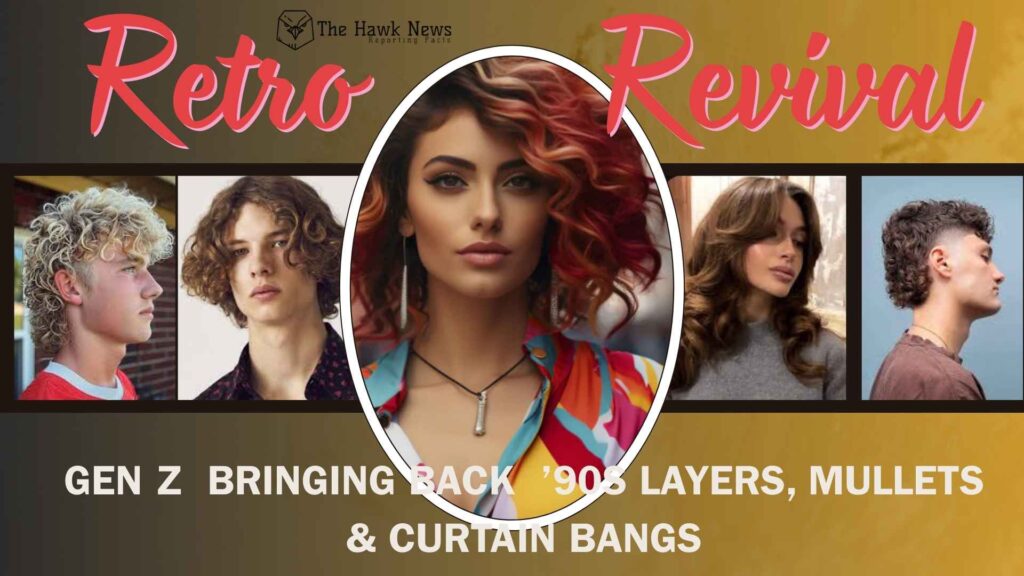
From Selena Gomez’s face-framing layers to K-pop idols rocking edgy mullets, hairstyles that once defined an era of Walkmans and scrunchies are back in circulation. The curtain bang—a soft, parted fringe—has become the crown jewel of Gen Z’s aesthetic. Meanwhile, shaggy layers are popping up in urban salons, and the mullet, once maligned, has been rebranded as a cool, gender-fluid statement.
On TikTok, the hashtag #CurtainBangs has surpassed 3 billion views. Instagram reels featuring “DIY layers” and “mullet transformations” flood feeds daily. What was once your parent’s photo album staple is now viral content.
The Nostalgia Factor: Borrowing From the Past
Fashion has always worked in cycles, and hairstyles are no exception. Stylists often reference the “20-year rule”—what was popular two decades ago inevitably returns with fresh updates. For Gen Z, the ’90s aren’t just vintage; they’re aspirational.
Cultural theorists argue that nostalgia is especially potent in uncertain times. With climate anxiety, economic stress, and digital burnout shaping Gen Z’s worldview, revisiting an earlier, seemingly simpler era provides comfort. The ’90s—an era of rom-coms, MTV, and carefree pop stars—offer a sense of escape.
But unlike their parents, Gen Z isn’t content to replicate styles; they remix them. Curtain bangs might be paired with neon hair dye, or mullets styled with glossy undercuts. It’s the past, rewritten with future flair.
TikTok and Instagram: The Real Hair Salons of Today
While the ’90s teen relied on fashion magazines or celebrity posters for inspiration, Gen Z has TikTok. In seconds, a video can show a layered haircut from all angles, provide a step-by-step tutorial, and gather thousands of likes.
Influencers have become the new hairstylists of the digital age. Creators like Brad Mondo, who reacts to haircut transformations, or beauty influencers who film “at-home bang trims,” are shaping the confidence of young audiences.
The accessibility is revolutionary. No longer confined to a salon chair, Gen Z experiments with scissors at home—sometimes to dramatic effect, sometimes to hilarious fails. Either way, it fuels the virality of the trend.
Hair as Identity: Playful Rebellion
Gen Z hairstyles aren’t just about looking trendy; they’re about making a statement. The mullet, for example, has shifted from “awkward dad cut” to a symbol of gender-fluid confidence. Layers that once framed faces in glossy shampoo ads now create edgy, textured looks that defy gender norms.
Sociologists note that hair is often one of the most visible markers of identity. For Gen Z—a generation celebrated for its inclusivity and individuality—embracing retro cuts is a way of both rebelling against uniform beauty standards and reclaiming them on their own terms.
When History Repeats With a Twist
Ask anyone who lived through the ’90s, and they’ll recall Friends-era “The Rachel” haircut dominating salons worldwide. Today, TikTok is buzzing with tutorials for “modern Rachel layers.” Similarly, the mullet once belonged to rock stars and athletes but is now seen on fashion runways and college campuses alike.
What’s fascinating is the difference in context. For their parents, these styles were mainstream. For Gen Z, they are ironic, playful, and self-aware. Wearing curtain bangs is not just a look—it’s a nod to cultural history, an inside joke, and a personal reinvention all at once.
Beyond Hair: A Larger Retro Wave
The revival doesn’t stop at hairstyles. Butterfly clips, claw clips, chokers, and scrunchies—all Y2K accessories—are trending on TikTok shops and Gen Z wardrobes. The hairstyle revival is part of a larger movement where the past is mined for aesthetic gold, from thrifted vintage clothing to Polaroid photography.
Fashion, hair, and accessories are converging into a single, nostalgic ecosystem. What’s old isn’t just new again—it’s rebranded, recontextualized, and re-viralized.
The Takeaway: More Than Just Nostalgia
At first glance, the return of ’90s hairstyles might seem like a fleeting TikTok fad. But beneath the surface, it reflects deeper cultural currents: nostalgia as comfort, digital platforms as trend incubators, and hair as a language of self-expression.
Gen Z isn’t simply copying their parents—they’re reclaiming a past aesthetic and giving it a bold, personal remix. In doing so, they prove that even in an age of fast-changing trends, some styles never truly go away; they just wait for the next generation to make them viral.