Every year, a hidden nursery thrives quietly across forests, grasslands, and even backyards — a nursery unlike any other. Unlike birds or mammals whose newborns are often visible to human eyes, snakes give life in secrecy, relying on the climate and natural cycles to nurture their young.
Yet, despite this silent spectacle, most people remain unaware of it.
Awareness matters. Understanding when and why snakes reproduce doesn’t just satisfy curiosity — it helps us coexist safely, respecting nature’s rhythms while protecting ourselves.
This guide takes you through the fascinating world of snake reproduction, the influence of climate, and practical first-aid tips for encounters.
How Snakes Reproduce
Snakes reproduce in two primary ways, and this distinction is important when predicting where and when young snakes might appear:
- Egg-Laying (Oviparous):
Most snakes, including popular species like pythons and rat snakes, lay eggs. The female finds a hidden, warm, and humid spot to deposit her clutch, which can range from a few eggs to several dozen. She may leave the eggs after laying, or in some species, like pythons, stay nearby to guard them until hatching. - Live Birth (Viviparous):
Other snakes, such as some vipers and boas, give birth to live young. Instead of laying eggs, these snakes carry embryos inside them until they are ready to enter the world fully formed. This method is often advantageous in colder climates, where eggs might not survive fluctuating temperatures.
Climate and geography heavily influence which reproductive method a snake uses. In temperate zones, the shorter warm seasons favor live births, ensuring that the young emerge during optimal conditions. Tropical regions with consistent warmth and rain often see a prevalence of egg-laying species.
Climate’s Role in Birth Seasons
Timing is everything in nature, and snake reproduction is no exception. The climate determines not just the method but the season when snakes bring new life into the world.
- Temperate Regions:
In places with distinct seasons, snake births or hatching peak from late summer to early autumn. This timing ensures that newborns have access to food and mild weather before winter arrives. In these regions, increased snake activity in these months is common, as adults are not only giving birth but also hunting more actively to recover energy. - Tropical Regions:
Here, snake births often coincide with the rainy or food-rich seasons. Abundant rainfall brings insects, rodents, and amphibians — a buffet for the young snakes. The timing ensures maximum survival chances for the hatchlings or live-born young.
Understanding these patterns allows humans to predict when snake encounters might be more likely. It’s not about fear; it’s about preparedness and respect.
Why Awareness Matters
Awareness of snake birthing seasons is crucial for several reasons:
- For Outdoor Enthusiasts: Hikers, campers, and adventurers are more likely to stumble upon snakes during breeding and birthing months. Knowing when these peak periods occur can guide safer trail choices.
- For Farmers and Gardeners: Fields and backyards may see heightened snake activity, as adults search for food to support themselves or their young. Awareness can prevent accidental encounters while tending to crops.
- For Children: Play areas near forests, grasslands, or water bodies may be unknowingly close to active snake nurseries. Supervision and education can prevent accidents.
Snakes are not aggressive by nature. Most bites occur when snakes are startled or feel threatened. Recognizing seasonal patterns gives people a chance to coexist without fear or harm.
First-Aid Basics for Snake Encounters
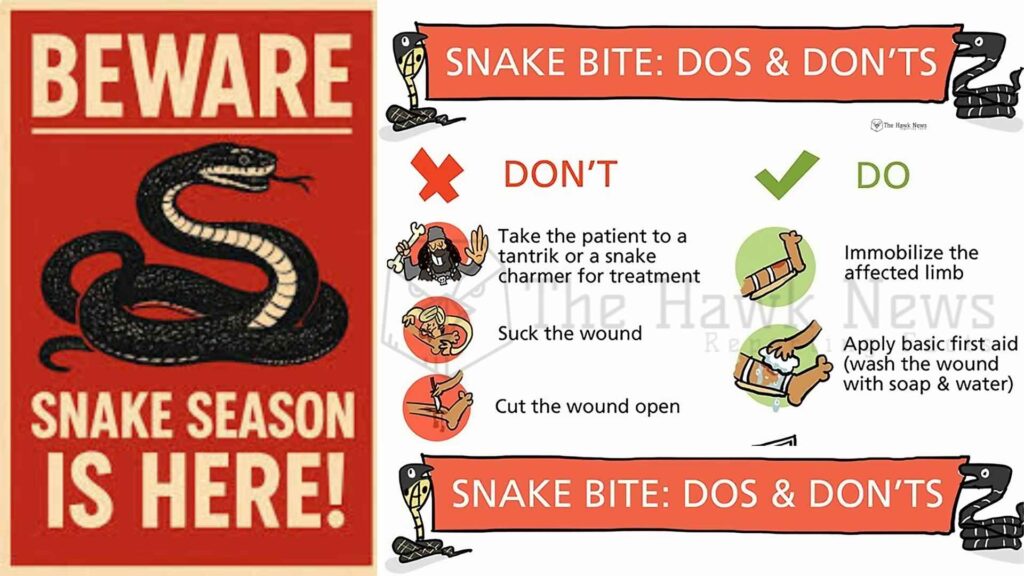
Even with awareness, encounters can happen. Here’s a practical guide to staying safe:
- Stay Calm and Move Away: Sudden movements can provoke a defensive bite. Slowly back away and give the snake space.
- Do Not Attempt to Cut or Suck Venom: Many traditional methods are harmful. Avoid applying ice or using tourniquets.
- Seek Medical Help Immediately: If bitten, remain as still as possible and get to the nearest medical facility. Venom spread slows with minimal movement, giving treatment a better chance to work.
- Preventive Measures:
- Wear boots and long pants when walking through tall grass or fields.
- Use a torch at night to spot snakes in dark areas.
- Avoid poking into holes, rock crevices, or dense vegetation where snakes may hide.
By blending awareness with practical measures, snake encounters can become manageable rather than dangerous.
Respecting the Wild Nursery
Snakes play a vital role in ecosystems. They control rodent populations, maintain balance among smaller predators, and contribute to healthy habitats. By understanding their reproductive cycles, humans can appreciate the quiet miracle of the wild nursery without unnecessary fear.
Knowing when snakes are giving birth or hatching allows us to adapt our routines, protect children, and reduce conflicts. In doing so, we acknowledge that these creatures are not intruders but neighbors in the larger web of life.
Conclusion
The wild nursery exists all around us — silent, seasonal, and sacred. Snakes are more than their bite; they are indicators of ecological health and guardians of balance.
Awareness is not about fear but about coexistence. By knowing the rhythms of snake reproduction and taking simple precautions, we respect nature and stay safe. Remember: the wild nursery continues its quiet work, year after year. By observing, learning, and respecting, we become part of this cycle rather than apart from it.
“The wild nursery is all around us — silent, seasonal, and sacred. By knowing, we respect; by respecting, we stay safe.”