Because people forget products, but they don’t forget what moved them.
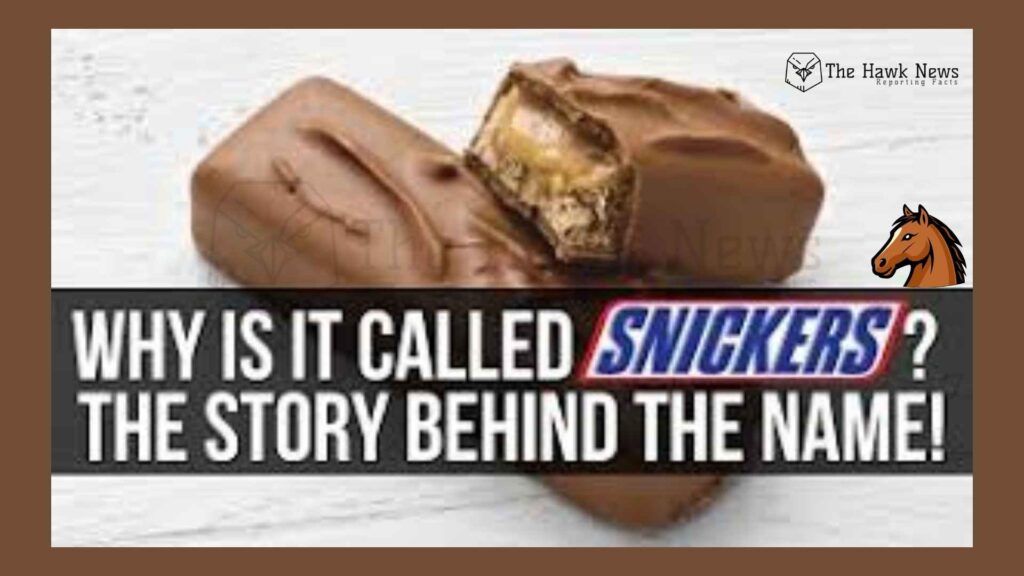
In 1930, when Mars Incorporated was preparing to launch a new chocolate bar — a rich combination of nougat, caramel, and peanuts wrapped in milk chocolate — the family made an unusual decision.
Instead of naming it after a flavor, a feeling, or a marketing dream, they named it after something far more personal: their beloved horse, Snickers.
Yes, the world’s bestselling chocolate bar carries the name of a family pet.
To the Mars family, “Snickers” wasn’t just a name — it was a memory. A quiet nod to affection. A small piece of their life woven into a product. They could never have imagined that billions of people across 70+ countries would one day unwrap that name and taste a legacy born from love.
But that’s the thing about meaningful stories:
They travel. They endure. They outshine marketing.
And in a world drowning in ads, brands built on emotion are the ones that refuse to fade.
1. In Branding, the Heart Remembers What the Mind Forgets
Consumers don’t fall in love with ingredients — they fall in love with meaning. Product features speak to the brain. Stories speak to the soul.
This is why Snickers — despite its odd name — didn’t just survive; it soared. It carried an emotional imprint, even if the world didn’t know the backstory.
It’s the difference between hearing a song and feeling it.
In business psychology, emotional resonance is the strongest driver of loyalty. Neuroscience shows that people remember emotional experiences 300% more vividly than neutral ones.
Which is why a candy bar named after a horse somehow feels warmer, more human, more memorable — even if the buyer knows nothing about it.
Because the emotional truth behind a brand radiates outward.
2. Today’s Consumers Don’t Want Advertising — They Want Authenticity
Gen Z and Gen Alpha have become the most advertising-resistant generations in history.
They:
- skip ads
- distrust polished campaigns
- prefer imperfect, raw storytelling
- buy from brands with emotional identity
They want to know:
- Who made this?
- What was the intention?
- Is there heart behind this product?
A story — especially a true one — breaks through the noise faster than any marketing budget ever could.
Snickers is proof:
A sentimental name became a global staple.
Not because the world loved the name,
but because authenticity always travels farther than strategy.
3. The Emotional Economy: How Stories Outsell Strategy
Here’s the modern rule of brand-building:
Marketing convinces people once.
Emotion keeps them forever.
Let’s look at the brands that mastered this truth:
Apple – People don’t buy devices; they buy the feeling of being part of something visionary.
Nike – Not shoes — courage, aspiration, grit.
Tesla – Not electric cars — a mission, a future, a belief.
In each case:
- the story leads
- the product follows
- the consumer connects
Classic marketing communicates value.
Emotional storytelling creates meaning.
And meaning always wins.
4. When Brands Forget Emotion, They Collapse
You can track the rise and fall of companies simply by watching how they treat their story.
- Nokia lost its emotional identity; it became purely functional.
- Kodak fell because it clung to mechanics, not memory.
- Blackberry never built a culture people could emotionally belong to.
Brands that divorce themselves from meaning eventually fade into noise.
Why?
Because humans are story-driven creatures.
It’s why folklore lasts centuries.
Why songs outlive their singers.
Why names like Snickers — even without explanation — feel iconic.
Emotion is the one currency that never depreciates.
5. What Snickers Really Teaches Businesses Today
A global empire can begin from something as simple as a moment of affection.
A quiet family memory became a billion-dollar legacy.
The lesson?
✅ Start with heart, not hype.
The most indestructible brands are built on genuine meaning.
✅ Tell the real story, not the perfect one.
Consumers don’t want polished tales — they want human ones.
✅ **People don’t buy what you sell.
They buy what they feel about what you sell.**
✅ **A product fills a shelf.
A story fills a community.**
Snickers didn’t need a marketing symphony to succeed.
Its truth carried its own melody.
6. The Science Behind Emotional Branding
Neuroscience and behavioural economics agree on one thing:
“We make decisions emotionally and justify them logically.”
Research shows:
- Emotionally charged stories activate more brain regions than rational data
- Story-driven brands have 22 times higher recall
- Emotional advertising creates stronger loyalty over time
- Narratives help consumers “anchor” memories
This isn’t magic — it’s biology.
The brain is wired for meaning, not messaging.
So the brands that sew their identity into a story — however small, however humble — are the ones that carve permanence.
7. If You Want Loyalty, Build Legacy — Not Campaigns
Campaigns come and go.
Trends fade.
Markets shift.
But a brand with emotional roots withstands storms.
The Mars family probably had no idea they were creating an eternal icon when they named a candy bar after a horse they loved. But they tapped into a truth that business schools often overlook:
People don’t connect to products.
They connect to the humanity behind them.
In that sense, every Snickers bar becomes a quiet reminder that meaning scales better than marketing.
8. Final Reflection: The Heart of a Brand
A chocolate bar named after a horse should not have become a global empire. But it did.
Not because the recipe was unique — many others had nougat, caramel, peanuts, chocolate —
but because its creation carried heart.
The world remembers brands that make them feel something.
Snickers began as a memory shared within one family.
Today, it is a memory shared by the world.
And that’s the ultimate business lesson:
Products might change the market.
But stories change people.
A brand that speaks to the heart will always outlast one that only speaks to the wallet.