Introduction: The Changing Face of Aging
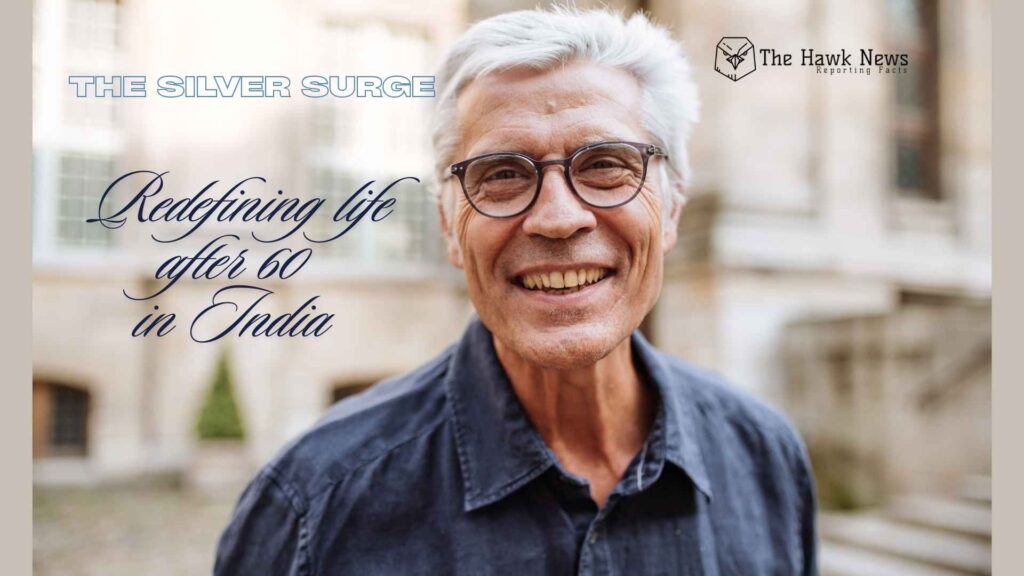
India is experiencing a powerful demographic shift often called the “silver surge.” With life expectancy steadily rising and healthcare advances extending quality of life, more Indians than ever are living well into their 70s and 80s.
According to the United Nations Population Report 2023, India’s elderly population is expected to reach 330 million by 2050, making up more than 20% of the total population. This transformation is redefining what it means to age.
No longer confined to quiet retirement and dependence on children, today’s seniors are embracing active lifestyles, travel, wellness, and even second careers. From luxury retirement communities to wellness retreats, from entrepreneurial ventures to globe-trotting travel, Indians over 60 are proving that life after retirement is not an end but a vibrant new chapter.
The Rise of Retirement Communities in India
A generation ago, the concept of retirement homes was met with stigma, often perceived as abandonment by family. Today, however, retirement communities are booming across India. Developers such as CovaiCare, Antara, and Ashiana Housing have created vibrant spaces where seniors can enjoy independence, social interaction, and healthcare support.
Unlike traditional nursing homes, these communities offer modern amenities like gyms, swimming pools, cultural clubs, and wellness centers. They also provide professional caregiving services when needed. Residents find comfort in living with peers, pursuing hobbies, and engaging in meaningful social life without the isolation that often accompanies old age.
This shift reflects a deeper cultural change—from dependence on children in joint families to valuing autonomy and dignity in later years. It also mirrors the aspirations of middle-class and affluent seniors who now view retirement communities as a lifestyle choice, not a compromise.
Wellness and Lifestyle: Aging Gracefully
Wellness is now central to the lifestyle of Indian seniors. With increasing awareness of lifestyle diseases such as diabetes, hypertension, and heart conditions, seniors are turning toward fitness, yoga, balanced diets, and mental health practices.
The growth of wellness retreats tailored for seniors—ranging from Ayurvedic resorts in Kerala to meditation centers in Rishikesh—underscores the desire for holistic health. These retreats offer curated experiences combining diet, therapy, and spiritual rejuvenation.
Mental well-being is another area of growing focus. Post-pandemic, more seniors are engaging in mindfulness, group therapy sessions, and creative outlets like art or music therapy to stay mentally active.
For many, aging gracefully is no longer about retreating into the background but living fully—with strength, balance, and joy.
The Senior Travel Boom
One of the most striking lifestyle shifts among India’s seniors is the rise of travel and exploration. Freed from career pressures and family responsibilities, seniors are embracing both domestic and international travel.
Travel companies now offer senior-friendly holiday packages with slower-paced itineraries, medical assistance, and cultural immersion. Popular domestic destinations include Jaipur, Kerala backwaters, and Himachal retreats, while international hotspots like Europe, Southeast Asia, and the Middle East are increasingly common.
Cruise vacations, in particular, are becoming popular among older Indians, offering comfort, safety, and leisure in one package. Travel is no longer seen as a luxury but a way of life—a reward for decades of hard work.
Second Careers and Entrepreneurship After 60
The stereotype of retirement as the end of professional productivity is fading fast. Many seniors are embarking on second careers, entrepreneurial ventures, or passion projects after 60.
Some write books, others teach online, while many are using digital platforms to start small businesses. Retired executives are taking up consultancy roles, while professionals from medicine, law, and education are sharing their expertise as mentors.
A growing number of senior entrepreneurs are also entering the startup ecosystem. Leveraging years of experience and networks, they are building ventures in areas like organic farming, e-commerce, and coaching.
This trend not only provides financial independence but also combats loneliness and reinforces a sense of purpose. As one 67-year-old entrepreneur from Bengaluru put it, “Retirement is when you finally work on what you love.”
Technology and Digital Adoption Among Seniors
Far from being left behind, India’s seniors are increasingly tech-savvy. Smartphones, tablets, and wearable health devices are now common among the elderly. Social media has given them a platform to connect, share, and even influence.
The pandemic accelerated digital adoption. Seniors embraced Zoom calls for family gatherings, telemedicine for healthcare consultations, and e-learning platforms for hobbies ranging from cooking to coding.
Telemedicine apps like Practo and 1mg report a surge in users above 60, while WhatsApp and Facebook remain popular for social connection. Interestingly, platforms like Instagram and YouTube are seeing rising senior content creators, some of whom have gone viral for their cooking, storytelling, and motivational content.
Digital inclusion has opened new possibilities—empowering seniors to stay connected, informed, and relevant in a rapidly changing world.
Challenges: The Other Side of the Silver Surge
Despite the optimism, challenges remain. Financial security is a major concern, as pensions and savings are often insufficient to meet rising healthcare and lifestyle costs.
Healthcare infrastructure, particularly in rural India, is underprepared to support the rapidly aging population. The demand for geriatric specialists, affordable medicines, and long-term care facilities is outpacing supply.
Moreover, the cultural shift away from joint families raises questions about emotional support for seniors who may feel isolated. Affordability of retirement communities and wellness retreats also remains a barrier for lower-income groups.
Policymakers are beginning to address these gaps. Programs like Atal Vayo Abhyuday Yojana (AVYAY) aim to improve senior welfare, while digital health initiatives are expanding access. Yet, much more remains to be done to ensure that the silver surge benefits all sections of society.
Conclusion: A New Narrative of Aging
India’s aging population is not a burden—it’s an opportunity to redefine what life after 60 can look like. The silver surge represents a shift toward independence, wellness, and vitality. Seniors are breaking stereotypes, proving that aging can be as vibrant and adventurous as youth.
From retirement communities to wellness retreats, from senior travel to digital entrepreneurship, the elderly in India are showing that later life is not about slowing down—it’s about thriving.
As India prepares for a future where one in five citizens will be over 60, the silver surge is not just a demographic shift; it’s a cultural revolution. And perhaps, in this reimagining of aging, lies a lesson for every generation: life doesn’t end at 60—it begins anew.