For decades, video games were dismissed as little more than a pastime for teenagers. Today, however, gaming has transformed into a cultural juggernaut—and at the center of this revolution are gaming influencers.
These streamers, who broadcast their gameplay live on platforms like Twitch, YouTube, and Kick, have become trendsetters, tastemakers, and even global celebrities.
They don’t just play games—they shape modern youth culture, bridging entertainment, fashion, business, and technology in ways unimaginable just a decade ago.
From Bedroom Streamers to Global Icons
The early days of online streaming were humble. Gamers would share their screens from modest setups, often with grainy webcams and little recognition. Fast forward to today, and the top streamers command millions of followers, sponsorship deals with tech giants, and incomes that rival professional athletes.
Creators like Ninja, Valkyrae, xQc, and Pokimane have gone from niche internet figures to mainstream celebrities, appearing in brand campaigns, music videos, and even traditional sports broadcasts. This meteoric rise reflects not just the growth of gaming, but the power of online communities built around shared passion.
The Platforms Powering the Movement
At the heart of this phenomenon are the platforms that make it possible. Twitch, founded in 2011, remains the powerhouse, offering real-time interaction between gamers and their audiences. YouTube Gaming provides a polished space where streams live alongside curated content, while Kick, a newer entrant, promises better revenue splits for creators, stirring competition.
These platforms don’t just broadcast gameplay—they facilitate connection. Live chats, subscriber perks, and interactive features mean fans feel like they’re hanging out with friends, not just watching TV. This intimacy is what keeps Gen Z coming back.
Gaming as Performance: The Rise of Custom Setups
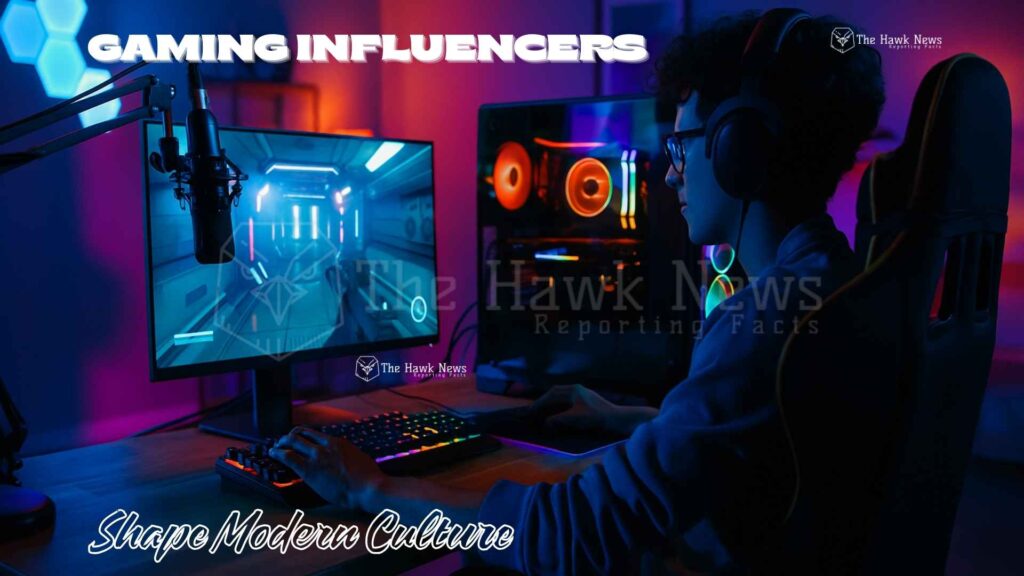
A major part of a streamer’s appeal isn’t only their personality, but also their gear. Streamers often accessorize their gaming rigs with dazzling RGB-lit computers, custom keyboards, ultra-wide monitors, and high-end microphones. These setups aren’t just functional—they’re a visual extension of their identity.
Take, for example, the trend of streaming backdrops—colorful LED walls, posters, neon signs, or even minimalist studios that reflect the creator’s brand. Fans don’t just tune in for gameplay; they admire the aesthetic and aspire to replicate it in their own homes.
This accessorizing culture has also fueled an entire affiliate marketing ecosystem. Streamers often promote products they use—whether it’s a GPU, gaming chair, or energy drink—and earn commission when their fans buy through their links. The result is a blend of authenticity and commerce that feels organic to their audience.
The Business of Affiliations & Sponsorships
For brands, gaming influencers are marketing gold. Unlike traditional celebrities, they maintain a direct, daily connection with their fans, making endorsements feel genuine. Companies like Razer, HyperX, Logitech, and Secretlab have leveraged this by sponsoring streamers and providing custom gear.
Beyond tech, fashion and lifestyle brands are also joining the trend. From Nike sponsoring esports athletes to luxury brands experimenting with virtual avatars, the worlds of gaming and mainstream consumerism are converging faster than ever.
Affiliations are no longer just side income—they form the backbone of many streamers’ careers, turning passion into a sustainable business model.
How Gaming Influencers Shape Gen Z Culture
What makes gaming influencers so powerful isn’t just their reach—it’s their relatability. Unlike polished Hollywood stars, streamers often share their struggles, celebrate milestones with fans, and maintain an approachable persona. This authenticity resonates deeply with Gen Z, a generation that values transparency and community.
Influencers have also shaped language and humor. Slang from gaming streams often makes its way into memes, TikToks, and even everyday conversations. Terms like “GG” (good game) or “PogChamp” (expression of hype) aren’t just gamer lingo anymore—they’re cultural shorthand.
Fashion, too, has been impacted. From oversized hoodies and gaming-inspired streetwear to branded merchandise, the gamer aesthetic is now mainstream.
A Global Movement
While the biggest names may hail from North America or Europe, gaming influencers are thriving worldwide. In India, for example, creators like MortaL and CarryMinati have helped fuel the mobile gaming explosion, while in South Korea, streamers thrive in parallel with the country’s esports dominance.
This globalization of gaming culture reflects the universality of play—a common ground where players and fans connect regardless of language or location.
What the Future Holds
Looking ahead, gaming influencers are poised to become even more influential. With the rise of VR and AR gaming, AI-driven content creation, and crossovers with music, film, and sports, streamers may become the centerpieces of entirely new forms of entertainment.
Moreover, as esports continues to professionalize, the line between athlete and influencer will blur even further, with gamers commanding both competitive respect and cultural authority.
Conclusion: More Than Just Games
Gaming influencers aren’t just entertainers—they’re entrepreneurs, cultural icons, and community builders. They’ve shown that gaming is no longer confined to consoles and screens but is a social experience shaping how we talk, dress, and even shop.
By accessorizing their gaming setups, driving affiliate ecosystems, and building authentic communities, they’ve turned a passion into a movement. For this generation, watching a streamer isn’t just about gaming—it’s about belonging to something bigger.
And as the digital era unfolds, one thing is clear: gaming influencers aren’t just shaping the culture of today—they’re defining the future of entertainment itself.