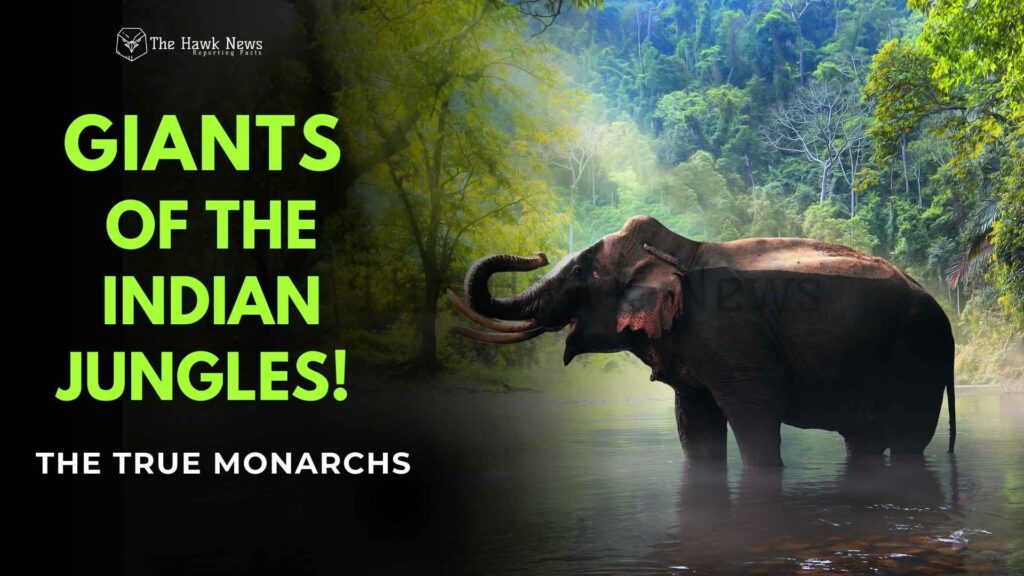
In the heart of India’s wild landscapes, a gentle giant roams — the elephant.
Known as the true monarch of the jungles, elephants are more than just the largest land mammals in Asia; they are living embodiments of wisdom, strength, and resilience.
From ancient wars to cultural traditions, from temple courtyards to thick forest canopies, the story of elephants is deeply woven into India’s history and identity.
The Giants of the Jungle
The Indian elephant (Elephas maximus indicus), a subspecies of the Asian elephant, is found across India’s forests — from the Western Ghats to the Himalayan foothills and the lush greenery of the Northeast. Towering up to 10 feet and weighing several tonnes, these giants embody raw power and grace. Yet, despite their colossal size, elephants are known for their intelligence, memory, and emotional depth, often described as “Vanthara,” the mystical forest beings.
Elephants in Indian History
Elephants have walked alongside human civilization in India for thousands of years.
- In Ancient Warfare: Elephants were the armored tanks of history. From the Mauryan dynasty to the Mughal era, war elephants decided the outcome of battles, instilling fear in enemies and giving Indian armies an advantage unmatched by cavalry or infantry.
- Symbol of Royalty: Kings and emperors rode on elephants during coronations, royal processions, and festivals, their magnificence amplifying the authority of rulers. Even today, the imagery of the elephant remains tied to sovereignty and power.
- Spiritual and Cultural Icons: Revered in Hinduism, Buddhism, and Jainism, elephants symbolize wisdom, prosperity, and divine protection. Lord Ganesha, the beloved elephant-headed deity, reflects the sacred bond between culture and these giants.
The Elephant and the Forest: Vanthara Spirit
The very word Vanthara conjures the idea of a being that belongs not just to the forest but to its soul. Elephants play a crucial ecological role as “mega-gardeners of the jungle.” Their feeding habits disperse seeds over long distances, shaping forests and keeping ecosystems alive. Without them, the delicate balance of India’s wild habitats would falter.
Modern-Day Struggles
Despite their historical glory, India’s elephants now face unprecedented challenges:
- Habitat Loss: Expanding cities, roads, and agriculture are shrinking forest corridors.
- Human-Elephant Conflict: With reduced spaces, elephants often wander into villages and towns, leading to tragic clashes.
- Poaching and Captivity: While hunting has decreased, illegal poaching for ivory and exploitative captivity still exist in pockets.
Yet, there is hope. Conservation initiatives like Project Elephant and grassroots efforts by forest communities are working to protect these giants, restore corridors, and promote coexistence.
Elephants in Today’s India
Elephants remain central to Indian life and imagination:
- Festivals like Thrissur Pooram in Kerala showcase caparisoned elephants in dazzling cultural processions.
- Eco-tourism in sanctuaries like Mudumalai, Periyar, and Kaziranga offers people a glimpse of these giants in their natural majesty.
- Modern Conservation: Technology, from GPS tracking to AI-driven conflict alerts, is being harnessed to save elephants and protect both human and animal lives.
Why They Matter
The survival of elephants is not just about preserving a species; it is about protecting the heartbeat of India’s forests. As Vanthara, they are guardians of the land, protectors of rivers, and keepers of ancient memory. To lose them would mean losing a part of India’s soul.
Conclusion: Walking with Giants
The elephants of India are not just animals; they are storytellers of time, carrying with them the weight of history and the promise of the future. From thundering battlefields of empires to the hushed whispers of forest trails, their journey is India’s journey.
To see an elephant in the wild is to witness history breathing before you — a reminder that these giants are not just symbols of strength but also of coexistence. In protecting them, we protect ourselves, our forests, and the legacy of Vanthara.