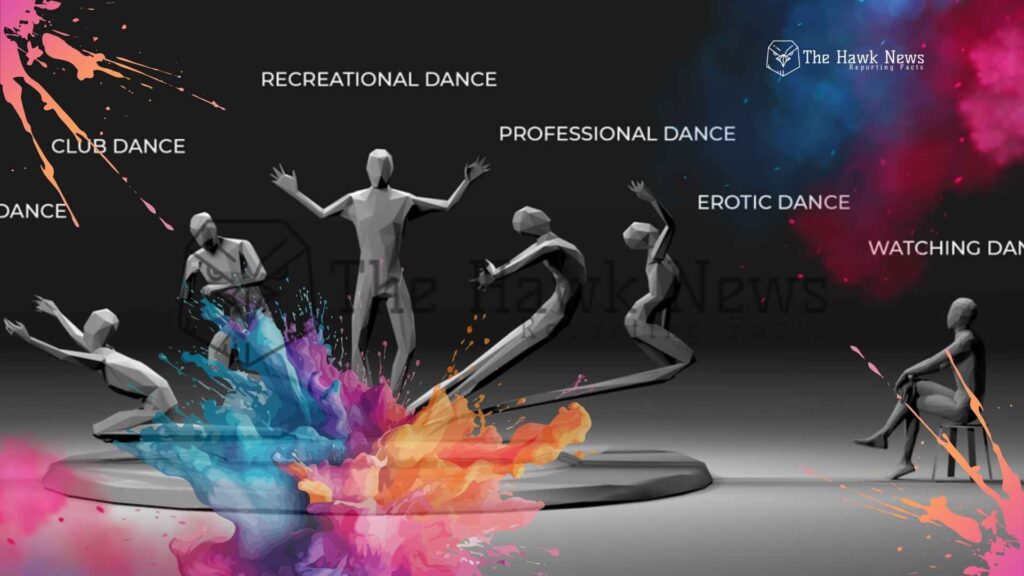
Dance is as old as humanity itself. From the tribal drum circles of ancient civilizations to the polished ballet stages of Europe, from the rhythmic footwork of Kathak to the raw energy of hip-hop, humans have always moved to express, celebrate, and heal.
Yet, dance is not just an art or a cultural marker — it is medicine for the body, mind, and soul. And what’s more fascinating? Even those who don’t dance, but simply watch it, can reap surprising benefits.
Let’s step into the rhythm and uncover how dance transforms us, whether we move or simply witness the movement.
Dance and the Body: Fitness Beyond the Gym
Dance is a workout disguised as joy. Science shows that it activates almost every muscle group, offering benefits similar to aerobic and strength training — without the monotony.
- Strength & Flexibility – Every leap, twist, and bend stretches muscles and strengthens the core. Classical Indian dances like Bharatanatyam or Odissi require extraordinary control and stamina, while salsa and contemporary styles work the legs and hips intensely.
- Cardio Boost – Dance elevates the heart rate, improving cardiovascular health and endurance. Just 30 minutes of dancing can burn as many calories as jogging.
- Coordination & Balance – Dance requires constant awareness of space, rhythm, and timing, sharpening reflexes and stability. This is why dance is often recommended for children to improve motor skills and for seniors to reduce fall risks.
- Pain Relief – Movement stimulates endorphins, the body’s natural painkillers. Studies on dance therapy have shown it can ease chronic conditions like arthritis and even help in recovery from injury.
In short, dance gives the body what it craves: movement, strength, and freedom.
Dance and the Mind: Therapy in Motion
Dance is more than movement — it’s mental medicine. The act of syncing movement to rhythm calms the brain, relieves stress, and strengthens cognitive function.
- Stress Relief – Cortisol (the stress hormone) dips while serotonin (the happiness chemical) rises during dance. This is why you feel lighter after shaking a leg, even for a few minutes.
- Sharper Brainpower – Learning choreography is like solving a puzzle. It demands memory, sequencing, and attention. Research even shows that regular dancing reduces the risk of dementia in older adults.
- Mindfulness & Flow – Dancing requires presence. You can’t worry about tomorrow when you’re caught in the rhythm — it pulls you into the now, much like meditation.
- Creativity Boost – Because dance is both physical and expressive, it stimulates the left (analytical) and right (creative) sides of the brain simultaneously. This cross-brain activity enhances problem-solving and imagination.
Dance, then, is not just exercise — it is mental therapy, restoring calm and clarity.
Dance and the Soul: Expression, Healing, and Connection
For the soul, dance is freedom. It is where words fail, but the body speaks.
- Self-Expression – A dancer pours joy, grief, or love into movement, finding release for emotions that often cannot be spoken aloud.
- Healing & Spirituality – Many traditions use dance as worship. Sufi whirling dervishes spin to reach divine ecstasy. Tribal dances often serve as rituals of healing and bonding.
- Universal Connection – Dance bridges divides of culture, language, and age. A flamenco step, a hip-hop battle, or a classical recital — each tells stories that anyone can feel, even if they don’t fully understand the form.
- Joy & Liberation – Dancing dissolves ego and inhibition. It is a return to our primal nature, reminding us that the body was built not just for survival but also for celebration.
When we dance, the soul remembers what it means to be free.
The Healing Power of Watching Dance
But here’s the twist: you don’t have to dance to experience its healing power. Simply watching dance has profound effects on the human body and mind.
- The Body Responds: Thanks to “mirror neurons,” our brains mimic what we see. When you watch a dancer spin or leap, your brain lights up as if you were moving too. Heart rate increases, muscles engage subtly, and even endorphins may release.
- The Mind Engages: Watching dance is immersive. It transports you, reduces stress, and stimulates imagination. Ballet’s grace may soothe anxiety, while hip-hop’s raw power can energize and uplift.
- The Soul Resonates: Dance is storytelling. Watching it helps us process emotions, connect with narratives, and experience catharsis. This is why audiences leave performances feeling moved, inspired, or even healed.
Art therapy often uses dance performances, videos, or live shows as part of healing programs, especially for patients unable to move freely. In other words: dance heals the dancer and the observer.
Dance as Collective Healing
In times of crisis, societies often turn to dance. During the pandemic lockdowns, virtual dance classes and viral challenges brought people joy and connection amid isolation. Festivals across India — from Garba during Navratri to Bhangra at Punjabi weddings — continue to use dance as collective therapy, where communities release stress together and recharge their spirits.
Even modern healthcare is catching on: hospitals increasingly use dance therapy programs for children, cancer survivors, and patients battling depression. The benefits are real, measurable, and transformative.
Why Dance Matters Now More Than Ever
We live in an age of stress, disconnection, and sedentary routines. Dance offers an antidote. Whether it’s a professional performance, a Zumba class, a wedding sangeet, or simply swaying in your living room to your favorite song — dance is a reminder of our humanity.
It unites body, mind, and soul. It heals the dancer and the spectator. It roots us in the present moment while allowing us to transcend it.
As Martha Graham, the pioneer of modern dance, once said:
“Dance is the hidden language of the soul of the body.”
Final Step: Let Yourself Dance (or Watch)
You don’t need to be a trained dancer to reap the benefits. A silly freestyle in your bedroom, a family jig at a festival, or even quietly watching a classical recital — all can be transformative.
Because ultimately, dance is not about perfection. It’s about participation.
It’s about healing.
It’s about remembering that life, at its core, is movement.
So, whether you move your feet or let your eyes follow the rhythm — let dance do what it was always meant to: heal your body, calm your mind, and free your soul.