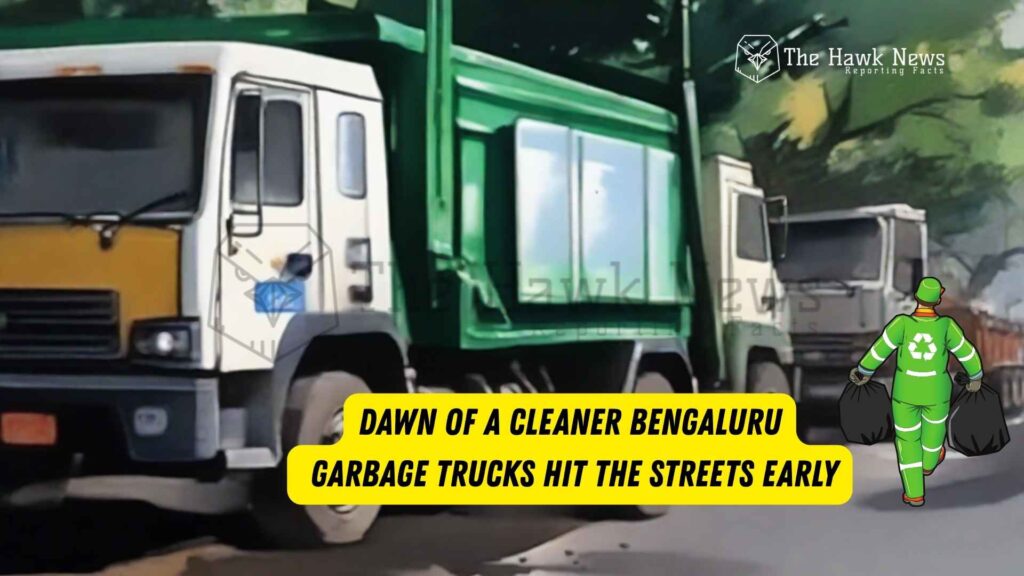
In a decisive move to modernize waste management, improve public health, and enhance the city’s livability, the Bruhat Bengaluru Mahanagara Palike (BBMP) has announced a revision of Bengaluru’s garbage collection schedule.
Starting August 25, auto tippers and garbage trucks will now report earlier, at 5:30 am, instead of the previous 6:00–7:30 am window. While the change might seem minor at first glance, it reflects a larger vision of a cleaner, smarter, and healthier Bengaluru, integrating technology, efficiency, and community cooperation.
The Rationale Behind the Timing Change
The BBMP Solid Waste Management wing (BSWML) explains that the revised schedule is designed to address multiple challenges simultaneously.
- Reducing Illegal Dumping: One of the biggest challenges in Bengaluru has been the emergence of black spots—areas where waste is illegally dumped or left unattended. By starting collections earlier, BBMP ensures waste is cleared before residents leave for work, preventing accumulation that can lead to unhygienic conditions.
- Operational Efficiency: Collection vehicles that start before peak traffic can cover more ground, reducing delays and improving the overall efficiency of the municipal fleet. Early mustering allows trucks to complete rounds faster, thereby ensuring that neighborhoods are cleaner by mid-morning.
- Convenience for Residents: Shifting waste pickup earlier allows citizens to dispose of their household waste as part of their morning routine, aligning convenience with community hygiene goals.
“Our aim is not just to clean streets; it’s about building a sustainable, proactive, and health-conscious city where waste management is efficient, timely, and integrated with modern urban planning,” said a BSWML spokesperson.
The Health Impact: Cleaner Streets, Healthier Lives
Beyond convenience and operational gains, this initiative has significant public health implications.
- Prevention of Vector-Borne Diseases: Accumulated garbage is a breeding ground for mosquitoes and rodents, which can spread diseases like dengue, malaria, chikungunya, and leptospirosis. Early and regular waste removal reduces exposure to these vectors.
- Reduction of Air and Soil Pollution: Decomposing waste emits noxious gases, contributing to poor air quality and respiratory issues. Timely waste collection minimizes such emissions, improving overall urban air quality.
- Enhanced Community Hygiene: Clean streets reduce unpleasant odors, discourage stray animals from rummaging through waste, and foster a sense of civic pride. Communities that maintain cleanliness also experience fewer incidences of gastrointestinal infections and other sanitation-related illnesses.
Experts note that small operational adjustments, like moving the pickup schedule earlier, can directly translate into better public health outcomes, particularly in densely populated urban areas like Bengaluru.
A Glimpse into Bengaluru’s Futuristic Waste Management
The shift in pickup timing is just one element of Bengaluru’s broader smart city and sustainable urban hygiene strategy. BBMP is moving toward an advanced, technology-driven waste management ecosystem, with several futuristic initiatives already in the pipeline.
- AI-Optimized Collection Routes: Using artificial intelligence, garbage truck routes can be optimized daily to reduce fuel consumption, avoid traffic congestion, and prioritize high-density areas with accumulated waste.
- IoT-Enabled Bins: Sensor-equipped bins will alert authorities when nearing capacity, preventing overflow and ensuring timely clearance. Residents can also receive notifications about nearby bins via municipal apps.
- Data-Driven Sanitation Planning: Collection and dumping patterns will be analyzed to predict potential black spots. Rapid-response cleaning teams can then be deployed proactively, ensuring that streets remain clean and hygienic at all times.
- Eco-Friendly Municipal Fleet: BBMP plans to gradually introduce electric and hybrid tipper vehicles, reducing carbon emissions and supporting the city’s broader environmental goals.
- Smart Citizen Engagement: Mobile apps and digital dashboards will empower residents to track collection schedules, report violations, and participate in cleanliness drives, making them active stakeholders in urban hygiene.
Through these initiatives, Bengaluru is not only addressing the immediate operational challenge of waste pickup timing but also laying the groundwork for a sustainable, future-ready city.
Operational Details: What Residents Need to Know
To ensure the smooth functioning of the new schedule, residents should adhere to the following guidelines:
- Place Waste Outside Before 5:30 am: Aligning with the new schedule ensures that garbage is collected promptly and prevents unattended accumulation.
- Avoid Illegal Dumping: Use designated bins and avoid leaving trash in unauthorized areas. This supports BBMP’s efforts to eliminate black spots.
- Participate in Smart Initiatives: Residents can contribute by engaging with IoT-enabled bins, municipal apps, and community sanitation programs.
Simple behavioral changes at the household level amplify the impact of municipal efforts, creating cleaner, healthier, and more livable neighborhoods.
Visual Messaging and Communication
BBMP has released posters to communicate the new schedule, featuring garbage truck icons, bold headings, and brief instructions. While effective, experts suggest enhancing the communication with:
- Key Takeaways: Highlighting the new start time—“Pickup now begins at 5:30 am”—for instant clarity.
- Call-to-Action: Encouraging citizen cooperation, e.g., “Help keep Bengaluru clean—please follow the new schedule.”
- Digital Outreach: Posting updates on social media, municipal apps, and community WhatsApp groups to reach a wider audience.
These visual and digital strategies are essential for maximizing compliance and ensuring that the change has a measurable impact on cleanliness and public health.
Broader Benefits for the City
The earlier garbage pickup has far-reaching benefits beyond immediate hygiene:
- Cleaner Public Spaces: Parks, bus stops, and streets remain free from litter, enhancing the city’s aesthetics and livability.
- Enhanced Civic Pride: Residents are more likely to maintain cleanliness when municipal efforts are visible and efficient.
- Environmental Impact: Reduced waste accumulation lowers methane emissions and prevents soil and water contamination, contributing to broader environmental sustainability goals.
- Economic Efficiency: Streamlined operations reduce fuel costs, vehicle wear-and-tear, and manpower inefficiencies, allowing BBMP to allocate resources more strategically.
By combining operational efficiency, technology integration, and community engagement, Bengaluru is setting a benchmark for other Indian cities striving to achieve smart urban sanitation.
The Road Ahead
While this schedule change is a small but critical step, it signals Bengaluru’s commitment to holistic urban development. The integration of technology, sustainability, and public health considerations points toward a city that is not just functional, but forward-thinking and resilient.
Residents and authorities alike have a shared responsibility in this transformation. The success of early morning waste collection depends on active citizen participation, adherence to schedules, and support for smart city innovations.
Bengaluru’s journey toward a cleaner, healthier, and smarter city demonstrates how small operational tweaks, when paired with futuristic technology and community cooperation, can yield substantial improvements in urban life quality. The city’s streets, air, and overall environment stand to benefit immensely from such initiatives—making every sunrise a step toward a brighter, cleaner, and healthier Bengaluru.
Conclusion:
Bengaluru’s decision to advance garbage pickup by an hour is more than a scheduling change. It is a strategic move to enhance public health, operational efficiency, and environmental sustainability, while embracing smart city principles. Cleaner streets reduce disease risks, improve air quality, and foster civic pride. Coupled with AI-powered routes, IoT-enabled bins, and electric garbage trucks, this initiative positions Bengaluru as a pioneering city in urban waste management.
As residents adapt to this new schedule, the city moves closer to a vision of a hygienic, sustainable, and health-conscious urban ecosystem, where every morning begins with cleaner streets, fresher air, and healthier citizens.