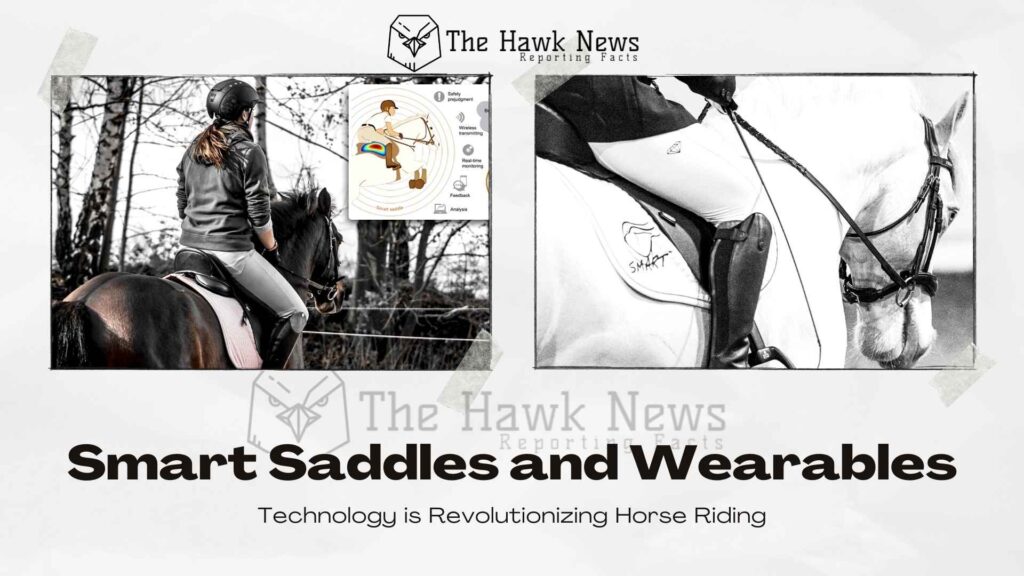
For centuries, horse riding has been considered both an art and a sport, deeply rooted in tradition. From medieval knights in heavy armor to Olympic equestrians showcasing precision and grace, the bond between rider and horse has always been central.
But in today’s digital age, even this age-old practice is embracing innovation. With the rise of smart saddles, IoT devices, GPS trackers, and wearables for horses, technology is revolutionizing how riders connect with their steeds, manage training, and ensure the animals’ health.
The Evolution of Horse Riding Meets Technology
Traditionally, horse riding relied heavily on the rider’s intuition, experience, and observation. A good horseman could “feel” if a horse was stressed, injured, or unwell. While that instinct remains invaluable, modern tech is now providing data-backed insights that can’t be seen with the naked eye.
Think of it this way: just as fitness enthusiasts use smartwatches and heart-rate monitors to optimize workouts, horses now have their own version of wearable tech. These tools give trainers and riders real-time feedback, making horse care more scientific, precise, and proactive.
Smart Saddles: Comfort Meets Data
The saddle, once just a piece of leather equipment, has gone digital. Smart saddles are embedded with sensors that measure:
- Pressure distribution across the horse’s back.
- Rider’s posture and balance.
- The horse’s gait and stride efficiency.
For riders, this information is game-changing. Poorly fitted saddles can cause discomfort, injuries, or even long-term spinal problems for horses. Smart saddles not only help prevent these issues but also provide instant feedback during training sessions.
Some high-end versions even connect to mobile apps, giving riders a detailed analysis after every ride. For competitive equestrians, this can mean the difference between a good performance and a championship-winning one.
Wearables for Horses: The Fitness Trackers of the Equine World
The rise of horse wearables has paralleled the boom in human fitness devices. Companies are now producing gadgets that can be strapped around a horse’s girth, leg, or halter to track:
- Heart rate and respiratory rate during exercise.
- Calorie burn and energy expenditure.
- Rest and recovery cycles after training.
- Stress levels, indicated by changes in vital signs.
For trainers, these devices are invaluable. They can tailor workouts to avoid overexertion, ensure horses recover properly, and detect signs of fatigue or illness before they become visible.
One notable innovation is the use of IoT-enabled monitoring systems, where data is sent in real time to an app or dashboard. This means even when a horse is in the stable or on the field, its performance metrics are available at the click of a button.
GPS Tracking: Location, Safety, and Performance
GPS technology, widely used in smartphones and cars, is now helping riders and trainers keep track of horses. GPS trackers are particularly useful in:
- Endurance riding events, where knowing the exact pace and route can help optimize performance.
- Farm management, allowing owners of large equestrian estates to monitor horse movements in real time.
- Safety, as lost or stolen horses can be quickly located with built-in GPS chips.
In professional racing, GPS is used to map stride length, acceleration, and speed—data that can be compared across training sessions to track improvement.
Health Monitoring: Preventing Injuries Before They Happen
One of the biggest benefits of equine tech is its role in preventative healthcare. Horses, like athletes, are prone to injuries when pushed beyond their limits. Devices that continuously monitor biometrics can alert trainers to irregularities.
For example:
- A sudden spike in heart rate may indicate stress or underlying health issues.
- Uneven gait data could signal the beginning of lameness.
- Poor sleep and recovery metrics may highlight overtraining.
By catching these red flags early, owners can reduce downtime, lower veterinary costs, and most importantly, ensure the well-being of the horse.
Blending Tradition with Innovation
Critics often argue that technology might “disconnect” riders from their horses. After all, equestrianism has always been about intuition, touch, and emotional bonding. However, most trainers and professionals see technology not as a replacement but as a complementary tool.
Where instinct stops, data begins. A skilled rider may feel that something is off, but technology provides the hard numbers to confirm and diagnose the issue. This synergy of tradition and tech is creating a new era in horse riding—one that respects the past while embracing the future.
The Business of Equine Tech
Globally, the equestrian industry is estimated to be worth billions of dollars. With equine tech startups emerging rapidly, the market for smart saddles, trackers, and wearables is projected to grow steadily.
- Europe and the U.S. are already leading the charge, with companies like Seaver, Equisense, and Orscana developing high-tech solutions for horse monitoring.
- In regions like India, where equestrian sports are gaining attention, equine tech could find a niche among affluent riders, polo players, and horse farms.
The potential is enormous—not just for competitive riders, but also for casual enthusiasts who want to ensure their horses live healthier, happier lives.
Challenges Ahead
Despite its promise, equine technology faces hurdles:
- Affordability – High-tech saddles and trackers can cost thousands of dollars, making them accessible mainly to elite riders.
- Adoption Rate – Traditional equestrians may be hesitant to trust gadgets over intuition.
- Data Overload – Too much data without proper interpretation can confuse rather than help.
- Maintenance – Devices need to withstand outdoor conditions like mud, rain, and dust.
For equine tech to truly take off, solutions need to be affordable, durable, and easy to use.
The Road Ahead: Horses in the Digital Age
The fusion of technology and horse riding reflects a larger trend: even the most traditional aspects of human culture are being reshaped by innovation. From ancient battlefields to modern racetracks, horses have always been close companions to humans. Now, smart saddles, wearables, and trackers are giving us deeper insights into their world.
The future could see even more advanced developments, such as:
- AI-driven analytics that predict injuries before they occur.
- Virtual reality training simulations for riders.
- Blockchain-based horse health records for transparency in competitive sports and trading.
What remains unchanged, however, is the timeless bond between rider and horse. Technology may provide the numbers, but the trust, loyalty, and connection are still built in the saddle.
Conclusion
The rise of smart saddles and equine wearables marks a transformational moment in horse riding. Just as wearable tech has become an integral part of human fitness, these innovations are redefining how we train, care for, and understand our horses.
While challenges exist, the direction is clear: technology is here to make riding not only more efficient but also more compassionate.
In the end, the marriage of tradition and technology ensures that horse riding remains both an art and a science—rooted in history but galloping toward the future.