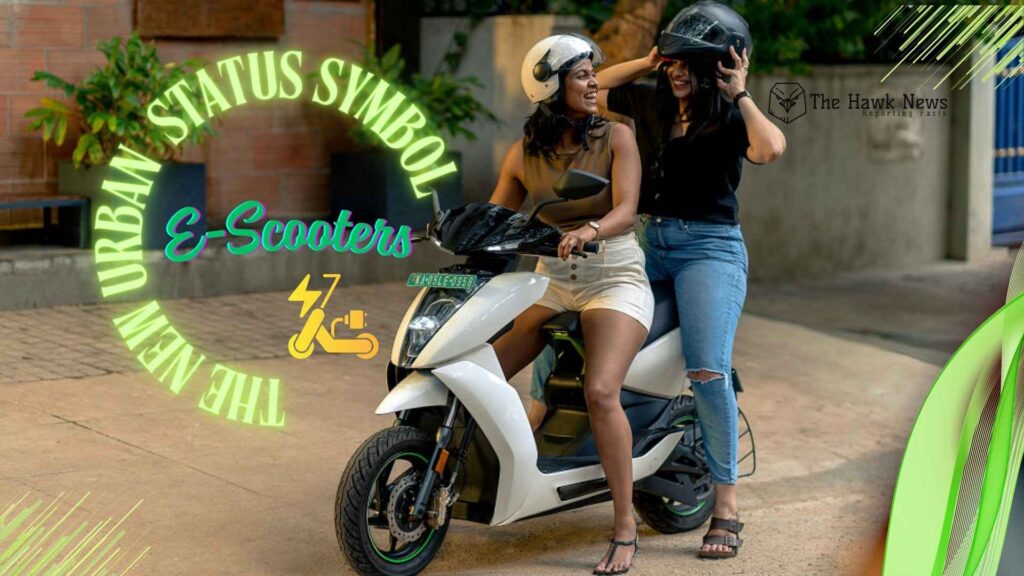
Step aside cars, there’s a new badge of cool on Indian roads. The silent hum of electric scooters is no longer just about eco-friendly commuting—it’s about lifestyle, aspiration, and identity.
From Instagram reels flaunting the sleek curves of an Ola S1 Pro to the minimalist tech appeal of Ather 450X, India’s two-wheeler culture is experiencing a renaissance. Welcome to Scooter Boom 2.0.
From Utility to Lifestyle Choice
For decades, scooters were India’s humble workhorses—practical, affordable, and convenient. Think Bajaj Chetak or Honda Activa: vehicles that served families across generations. But the 2020s have turned the script upside down. Electric scooters, once dismissed as “low-power toys,” are now the hottest ticket in urban commuting.
The drivers behind this shift? A cocktail of factors: skyrocketing petrol prices, heightened climate awareness, and government incentives. Add to this the congestion of India’s mega-cities, where cars often crawl slower than bicycles, and scooters suddenly emerge as the smarter, quicker, and cooler alternative.
E-Scooters as Status Symbols
Unlike their petrol predecessors, today’s e-scooters come loaded with features that scream lifestyle upgrade: touchscreen dashboards, AI-assisted riding modes, voice commands, GPS-enabled theft alerts, and even reverse gear functions.
Young professionals in metros are no longer asking “Which scooter is cheapest?” Instead, the question is: “Which scooter says the most about me?”
- Ola Electric’s S1 Pro has become a TikTok favorite, often featured in unboxing-style reels.
- Ather 450X riders pride themselves on being tech-forward, akin to Apple loyalists.
- Hero Vida users emphasize practicality blended with sustainability, positioning themselves as “responsible riders.”
Customization also plays a role—fluorescent paint jobs, matte finishes, and quirky decals are turning scooters into personal fashion statements. Much like sneakers or smartphones, the scooter you ride is now an extension of your personality.
The Big Three: Ola, Ather, and Hero
The e-scooter race is largely being shaped by three names:
- Ola Electric
- Aggressive pricing, nationwide advertising blitz, and sleek tech-heavy models.
- Ola’s strategy isn’t just to sell scooters but to build an entire ecosystem, from charging networks to battery tech.
- Its scooters are marketed as “cool gadgets on wheels” rather than mere vehicles.
- Ather Energy
- Positioned as the premium, tech-savvy alternative.
- Known for high-performance acceleration, refined software, and futuristic UI.
- Ather’s target audience is young professionals who see scooters as status upgrades, not compromises.
- Hero MotoCorp (Vida)
- With affordability and brand familiarity on its side, Hero is penetrating Tier 2 and Tier 3 cities.
- Hero’s strategy makes e-scooters mainstream, ensuring they aren’t just an “urban elite” phenomenon.
Together, these players are reshaping what scooters mean in India: not just practical, but aspirational.
The Lifestyle Factor: Commuting Redefined
Why do e-scooters matter so much to Gen Z and Millennials? Because they tick three boxes this generation cares about:
- Eco-consciousness: Riding an EV is a public display of climate awareness.
- Convenience: Charge at home, skip fuel queues, glide through traffic.
- Social Media Appeal: Sleek scooters look great on Instagram.
The cultural shift is palpable. Just as co-living redefined housing and co-working reshaped jobs, “co-riding” clubs are springing up. Young riders gather on weekends, not to race, but to showcase scooters, exchange hacks, and discuss charging stations. In essence, scooters are now part of India’s urban youth identity.
The Roadblocks Ahead
Of course, the boom isn’t without its bumps.
- Charging Infrastructure: While metros see progress, smaller towns lack robust networks.
- Range Anxiety: Many still hesitate to buy EVs for long commutes.
- Safety Concerns: Reports of battery fires dented public confidence in early years.
- Policy Ambiguity: State-level differences in subsidies and regulations create confusion.
Yet, these challenges may be temporary. Government initiatives like the FAME scheme, along with private sector charging collaborations, are steadily improving the ecosystem.
Looking Ahead: The Future of Scooter Culture
By 2030, India is projected to have over 50% of new two-wheeler sales in the EV segment. Experts believe e-scooters will not only dominate domestic markets but also emerge as major exports.
Imagine Indian-designed scooters zipping through the streets of Africa, Southeast Asia, and Latin America—markets with similar urban density and affordability needs.
On the lifestyle front, expect scooters to become even more integrated with tech: AR-enabled helmets, AI-based traffic navigation, and possibly subscription-based scooter ownership (ride it like Netflix, swap models yearly).
Conclusion
Scooter Boom 2.0 is more than a transportation shift—it’s a cultural one. In India’s crowded cities, scooters aren’t just helping people move faster; they’re helping them express who they are.
Whether it’s the eco-warrior flaunting a Hero Vida, the gadget geek revving an Ather, or the Instagrammer posing with an Ola S1 Pro, scooters have redefined cool.
The humble scooter, once the utilitarian backbone of Indian mobility, is now an urban status symbol. And in this new era of electric wheels, owning one isn’t just about getting from A to B—it’s about making a statement along the way.