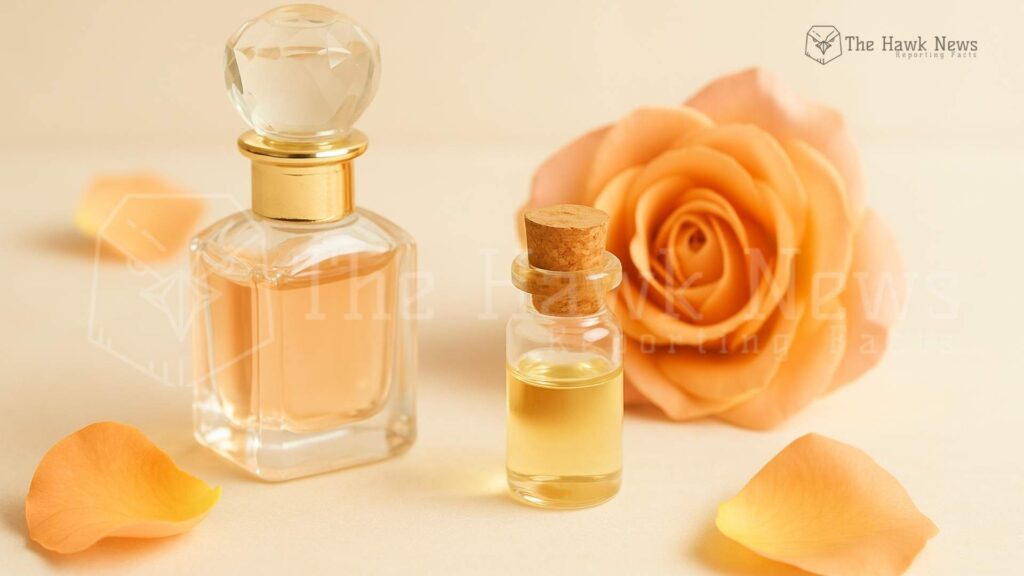
When you dab perfume on your wrist, light a scented candle, or massage oil into your skin, you’re doing more than just indulging in luxury—you’re tapping into one of humanity’s oldest connections between fragrance, health, and spirit.
From the anointing oils of the Bible to the modern perfumes on department store shelves, scent has always carried the power to heal, uplift, and transform.
This isn’t just poetry. Science today backs what ancient civilizations knew well: oils and perfumes don’t just smell good—they make us feel good.
Biblical Roots of Fragrance
The Bible is rich with references to oils, perfumes, and incense. These weren’t mere luxuries; they carried spiritual, emotional, and even medicinal weight.
- Anointing oils: Kings, priests, and prophets were anointed with oil to symbolize blessing and empowerment. Psalm 23:5 reminds us, “You anoint my head with oil; my cup overflows.” Oil was not just ritual—it was restorative.
- Perfumed devotion: In John 12:3, Mary poured expensive perfume on Jesus’ feet. That fragrance filled the whole house, marking an act of love, sacrifice, and worship.
- Incense as prayer: Psalm 141:2 equates incense with prayer, a sweet aroma rising to heaven. Scent wasn’t decoration—it was communication with the divine.
What’s remarkable is how closely this mirrors our modern understanding. Oils soothe. Perfumes lift moods. Scents transport us. Ancient wisdom meets today’s science.
The Science of Feeling Good
When we smell something, it doesn’t just stop at our noses. The scent molecules travel directly to the limbic system—the part of the brain that governs emotions, memory, and mood. This explains why a single whiff can bring back a childhood memory or instantly shift your emotional state.
- Perfume and mood: Research shows pleasant fragrances can reduce anxiety, boost confidence, and even improve focus.
- Essential oils and healing: Lavender calms stress, peppermint energizes, eucalyptus clears sinuses, and sandalwood promotes relaxation. These effects are measurable, not mystical.
- Memory and identity: Perfume can become your personal signature, triggering recognition and nostalgia in others. Just like incense rising in the temple, your scent leaves an impression that lingers.
In short, fragrance is not surface-level—it directly interacts with the brain and body.
From Ancient Oils to Modern Lifestyle
Across history, oils and perfumes were never just about beauty.
- Egyptians used frankincense and myrrh in embalming, temple rituals, and medicine.
- Romans bathed in oils and used perfumes as status symbols.
- Indians and Chinese blended oils into Ayurveda and traditional medicine for holistic healing.
Today, we’ve given these traditions new names: aromatherapy, skincare rituals, luxury perfumes. But the intent is the same—to heal, uplift, and enhance life.
Why Oils and Perfumes Still Matter Today
In our fast-paced, stress-filled lives, oils and perfumes are more than indulgence—they are self-care and healing practices.
- Healing the Body – Oils like eucalyptus, tea tree, and ginger help with colds, inflammation, and pain relief. Perfumed oils massaged into the skin enhance circulation and relaxation.
- Soothing the Mind – A spritz of lavender or rose calms anxiety, reduces stress, and promotes restful sleep.
- Uplifting the Spirit – Perfume is deeply personal. The right fragrance can boost confidence, create presence, and make you feel “put together,” even on tough days.
- Strengthening Connections – Shared scents build bonds. A fragrance can remind you of loved ones, a wedding, a celebration—or a sacred prayer.
The Modern “Anointing”
In many ways, when we wear perfume or use oils today, we are echoing ancient rituals of anointing. Instead of kings and priests, we anoint ourselves for workdays, dates, and celebrations.
Perfume becomes a silent declaration: This is who I am. This is how I wish to feel.
Just as oils symbolized joy, healing, and holiness in the Bible, today they symbolize confidence, calm, and beauty.
But Is It Healthy?
Here’s the balance. Natural oils—lavender, rosemary, frankincense—offer genuine therapeutic benefits. However, some modern perfumes use synthetic chemicals that may irritate sensitive skin or cause allergies. The key is mindfulness:
- Choose natural essential oils for healing and wellness.
- Use perfumes in moderation for mood and confidence.
- Combine both mindfully, so fragrance remains a source of pleasure, not harm.
The Invisible Luxury
Ultimately, the reason oils and perfumes make us feel so good is because they connect us—body to soul, memory to moment, earth to heaven. They are invisible luxuries that shape how we live, love, and remember.
What was once incense in a temple is now a diffuser in a living room. What was once anointing oil is now perfume on the wrist. Different forms, same truth: fragrance makes life fuller, richer, and more alive.
Conclusion: A Scented Life
Every time you inhale the sweetness of rose, the sharpness of peppermint, or the depth of sandalwood, you’re doing what humanity has always done—finding healing, joy, and meaning in fragrance. Oils and perfumes aren’t just lifestyle accessories; they’re part of our human story.
From the Bible’s sacred oils to today’s designer perfumes, fragrance has always been a bridge—between body and soul, between people and memory, between earth and the divine.
So the next time a perfume makes you smile or an oil soothes your stress, remember: you’re experiencing something ancient, timeless, and beautifully human.