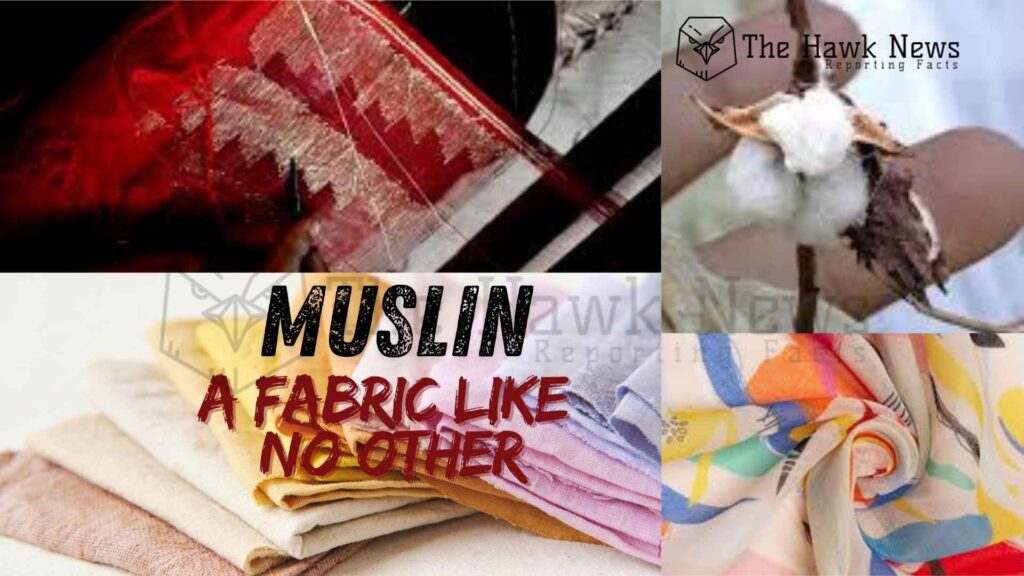
Once known as “woven air” for its breathtaking delicacy, India’s muslin fabric—once suppressed by colonial powers—is making a comeback in modern India.
From Bengal looms to Paris and Milan fashion weeks, the fabric that inspired a freedom movement is now a symbol of sustainable luxury and cultural pride.
A Fabric with Royal Origins
Muslin, handwoven in Bengal centuries ago, was so fine that a six-yard sari could pass through a ring. Dhaka muslin became a global export, adorning Mughal courts and European aristocracy alike. Traders prized it as one of India’s greatest contributions to textile art.
But under British rule, India’s thriving muslin trade was dismantled. Colonial powers flooded the country with mill-made Manchester cloth, crippling local artisans. Stories still circulate of weavers having their thumbs severed—a brutal symbol of muslin’s silenced glory.
Muslin and the Freedom Movement
The suppression of muslin became one of the sparks that fueled India’s freedom struggle. The Swadeshi Movement, championed by leaders like Mahatma Gandhi, called on Indians to boycott foreign goods and revive indigenous handspun fabrics. Khadi became the poster child of the movement, but muslin’s legacy remained etched as a reminder of India’s cultural and economic power before colonization.
From Dust to the Runway: Muslin’s Modern Revival
Fast forward to 2025, and muslin is back in the spotlight:
- Fashion Weeks: Designers like Sabyasachi Mukherjee and Bengal-based labels are showcasing muslin saris and dresses at global runways, highlighting it as both eco-friendly and regal.
- Government Push: India’s Ministry of Textiles has launched projects in West Bengal and Bangladesh to train weavers in reviving lost muslin techniques. Last year, Prime Minister Narendra Modi even mentioned muslin’s heritage in his “Make in India” textile vision.
- Sustainability Factor: In a world shifting away from fast fashion, muslin’s eco-friendly, handwoven nature makes it highly desirable among conscious consumers in Europe, Japan, and the U.S.
Muslin in the Global Conversation
The revival is also a statement. For centuries, muslin was buried under colonial exploitation; today, its comeback is rewriting India’s textile story. Cultural historians say muslin embodies both India’s resilience and reinvention.
“Every muslin garment is not just clothing—it’s history, sustainability, and art woven together,” says Kolkata-based designer Anamika Roy, who has been working with rural weavers to preserve dying loom traditions.
Why the World Is Paying Attention
The muslin revival isn’t just nostalgic—it speaks to modern values:
- Eco-conscious fashion: Muslin is biodegradable, handwoven, and chemical-free.
- Cultural identity: Young Indians see wearing muslin as a way of reclaiming heritage.
- Luxury appeal: International brands are eyeing muslin as India’s answer to global luxury fabrics like silk and linen.
Muslin as a Symbol for the Future
From inspiring defiance during the freedom movement to inspiring designers on global runways, muslin continues to weave meaning across centuries. It’s no longer just a relic of India’s past but a blueprint for sustainable fashion’s future.
Conclusion
Muslin is proof that history is never just in books—it’s in threads, garments, and traditions that survive despite centuries of suppression. Its journey from Bengal’s looms to colonial silencing, and now to global acclaim, tells a story of resilience India can be proud of.
As muslin returns to the world stage, it brings with it not only the legacy of India’s weavers but also the promise of a greener, more mindful fashion future.