There is a quiet power in an image that chooses restraint over excess.
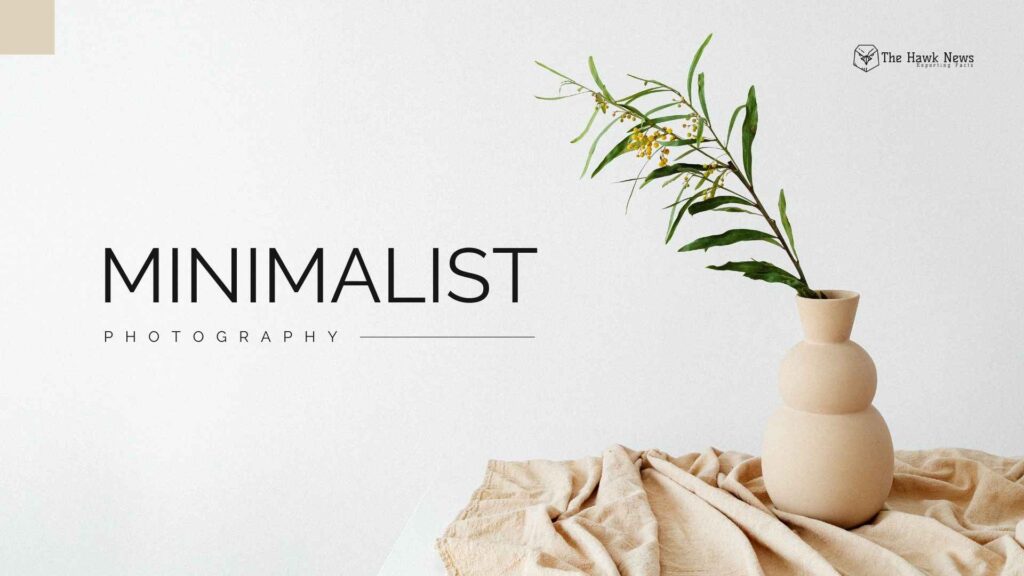
One glance at the serene frame — a soft beige vase, a single sprig of green, and the gentle fall of fabric against a muted backdrop — and you feel it.
Minimalist photography doesn’t shout; it whispers.
Yet its whispers travel far deeper than noise ever could.
The Art of Saying More With Less
The cover image captures the philosophy perfectly:
one object, one gesture, one silent dialogue with space.
Minimalist photography is built on the belief that emptiness is not absence.
It is intention.
It is the decision to let the subject breathe without the clutter of competing elements.
This style strips an image to its essence, allowing viewers to focus on shape, color, texture, and emotion without distraction.
The vase isn’t merely a vase — it becomes form.
The branch isn’t merely décor — it becomes movement.
The empty background isn’t blank — it becomes oxygen.
Why the World Is Drawn to Minimalism
In an age of overwhelming visuals and endless digital noise, minimalist photography offers a counterculture: calm.
People no longer want to see everything; they want to feel something.
Minimalism taps into:
- Visual clarity
- Mental stillness
- Aesthetic balance
- Emotional space
The photograph’s white negative space creates a sense of order.
The neutrals soothe.
The simplicity invites the mind to rest — and in that rest, beauty expands.
The Language of Space
Minimalist photography speaks a unique visual language:
Negative Space
The empty areas around the vase aren’t accidental; they’re the soul of the frame. They highlight form, create depth, and evoke silence.
Muted Tones
The soft palette — beige, white, green — avoids drama and embraces subtlety. It’s a color choice that feels like a deep breath.
Intentional Composition
Every line matters. Every shadow matters. Every fold in the cloth matters — not because they are dramatic, but because they’re deliberate.
Minimalism isn’t about removing meaning; it’s about removing everything except meaning.
Emotion in Simplicity
What makes the cover image compelling is not just the object but the feeling it carries.
A single vase can evoke:
- calm
- balance
- solitude
- gentleness
- reflection
In minimalist photography, emotion doesn’t come from complexity —
it comes from focus.
The viewer begins to see texture, shape, and even silence differently.
The photograph becomes an invitation to slow down.
Why Minimalist Photography is Here to Stay
With social media overwhelming us with visuals, minimalist photography stands out precisely because it doesn’t try to.
Brands, creators, and artists are embracing this look because it communicates refinement, clarity, and modern elegance.
It works because:
- It is timeless
- It feels sophisticated
- It works across interior, fashion, product, and fine-art genres
- It speaks universally without language
Minimalism isn’t a trend — it’s a response to the chaos of visual culture.
The Image Becomes a Reminder
That a simple vase and a modest sprig can hold so much presence reminds us of something more personal:
Life feels fuller when we release what’s unnecessary.
Minimalist photography, like the image on the cover, becomes a whisper to the soul:
Slow down. Breathe. Notice the beauty in what remains.