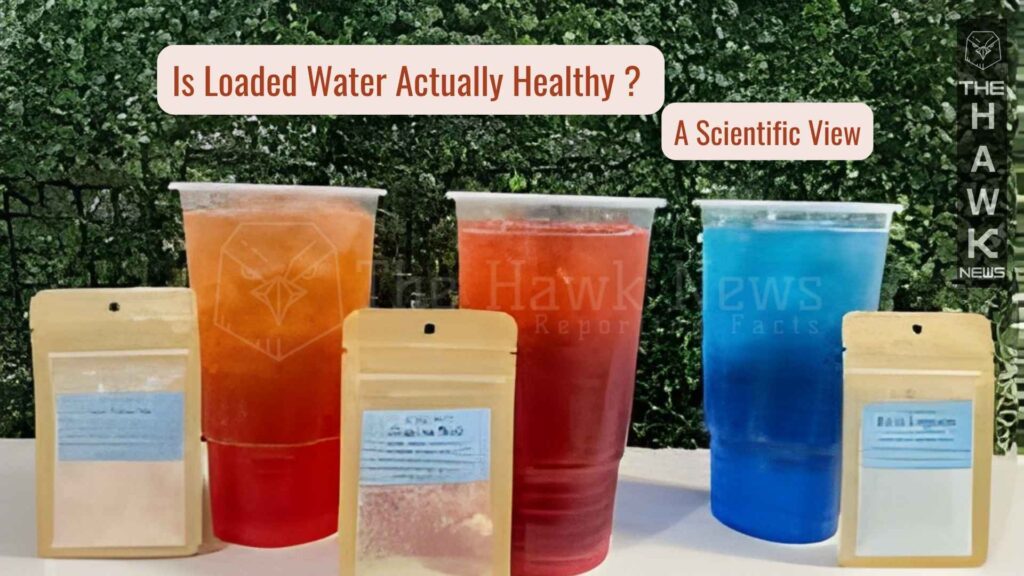
In a world where wellness trends go viral overnight, the newest buzzword dominating TikTok, Instagram Reels, and YouTube shorts is something called “loaded water.”
Videos show influencers mixing colorful powders, vitamin blends, electrolyte packets, collagen scoops, flavor drops, and even energy boosters into a single bottle of water — promising enhanced hydration, glowing skin, immunity, and better overall health.
But behind the aesthetic edits and catchy captions lies a deeper question:
What exactly is loaded water, and how safe is it to follow health trends from social media, websites, or even AI long-term?
This article breaks down the trend scientifically, examines potential risks, and explores how modern users can balance online information with real-world health decisions.
What Is Loaded Water? The Trend Explained
“Loaded water” refers to water that has been “loaded” with multiple supplements — often several powders or liquid additives at once — in hopes of turning regular hydration into a supercharged wellness drink.
Common ingredients influencers add include:
- Electrolyte powders
- Vitamin C mixes
- Collagen powder
- Prebiotic and probiotic blends
- Mineral drops
- Flavor syrups
- Greens powders
- Energy powders with caffeine
- Sweeteners (natural or artificial)
The trend’s popularity can be traced to the desire to make water more exciting, more functional, and more “boosted.” Many users say it helps them drink more water, especially those who dislike the taste of plain water.
But the simplicity of the trend hides a complicated truth: hydration is scientific, and adding too much can become counterproductive.
Why People Are Drawn to It
The rise of loaded water is tied to cultural and psychological factors:
1. Aesthetic Wellness Culture
People gravitate toward beautiful drinks, neatly arranged powders, and pastel-colored water bottles. When the presentation is flawless, the trend appears healthy by default.
2. “Optimization” Mindset
Modern wellness promotes the idea that everything should be optimized — sleep, workouts, diets, productivity… even water.
3. Supplement Marketing
The global supplement industry is worth billions. Many creators collaborate with brands, turning health advice into a marketing strategy.
4. Instant Gratification
People want fast benefits: more energy, clearer skin, faster hydration. Powders promise quick results that plain water cannot.
Is Loaded Water Actually Healthy? A Scientific View
✅ Potential Benefits
Loaded water isn’t completely harmful when used correctly — some ingredients genuinely help under specific conditions.
- Electrolytes help during workouts, heat waves, travel, or dehydration.
- Mineral drops can be useful for those with deficiencies.
- Vitamin C supports immunity in moderate doses.
- Collagen may support skin elasticity over long-term use.
Used individually and appropriately, these ingredients have value.
❌ The Risks
Problems start when people mix too many supplements at once or drink them daily without medical guidance.
1. Overconsumption of Electrolytes
Too much sodium or potassium can cause:
- headaches
- dizziness
- irregular heartbeat
- blood pressure spikes
2. Vitamin Overload
Fat-soluble vitamins (A, D, E, K) can accumulate dangerously in the body.
Even water-soluble vitamins (C, B) can cause stomach issues when taken in excess.
3. Kidney Stress
The kidneys must filter whatever enters the bloodstream.
Excess minerals + supplements = extra strain.
4. Hidden Sugars
Many flavor packets contain:
- artificial sweeteners
- high-fructose syrups
- synthetic colors
This turns water — the healthiest drink — into something closer to a soft drink.
5. Supplement Interactions
Mixing multiple powders without research can cause:
- nutrient clashes
- reduced absorption
- overstimulation (especially with caffeine mixes)
6. Lack of Regulation
Most countries do not regulate supplements the way medicines are regulated.
That means purity, dosage, safety, and long-term effects often remain unknown.
Why Blindly Trusting Online Health Trends Is Risky
Loaded water becomes a bigger discussion about where people get their health information. The digital age has changed how people learn — but not always for the better.
✅ Helpful:
- Websites and AI can simplify information
- Social media can raise health awareness
- Influencers can share genuine experiences
❌ Harmful:
- Many sites publish unverified health claims
- Social media trends are driven by aesthetics, not science
- Influencers are often paid to promote supplements
- AI cannot replace medical examination or diagnosis
- Health content is personalized — trends are not
Online information is not harmful by default.
Trusting it blindly is.
Why People Still Trust Online Health Sources
It’s easy:
- It feels personal
- It’s available instantly
- It offers quick answers
- It’s packaged beautifully
- It often promises quick results
But human biology is not a trend, and genuine health improvements rarely come from shortcuts.
So… Should You Try Loaded Water?
✅ Safe when:
- Adding one electrolyte packet after exercise
- Using vitamins as recommended
- Drinking it occasionally, not daily
- Checking for sugar content
- You have no medical conditions
❌ Avoid when:
- Mixing multiple powders at once
- Relying on influencers for medical advice
- Using supplements instead of food
- You are pregnant, diabetic, or on medication
- You have kidney or heart issues
The truth is simple:
Your body needs water. Not everything else that comes in packets.
How to Use Online Health Information Safely
Here’s a balanced rule:
✅ Online = Awareness
✅ Doctors = Decisions
Use websites, AI, and articles to learn — not to replace professional guidance.
A healthy digital approach is:
- Read multiple sources
- Prefer verified medical sites
- Check for scientific references
- Question overly-positive claims
- Consult a doctor for anything long-term
This protects you from misinformation while still allowing you to stay informed.
Conclusion: A Trend Worth Watching, Not Blindly Following
Loaded water reflects the modern world’s obsession with optimizing everything. It also highlights the challenge of navigating health information in an age where content is instant, viral, and often unverified.
There is nothing inherently wrong with wanting your water to taste better or offer additional benefits. But more does not always mean better — especially with supplements.
Plain water remains the simplest, safest, and most reliable form of hydration humans have used for centuries.
Trends come and go.
Your health stays with you forever.