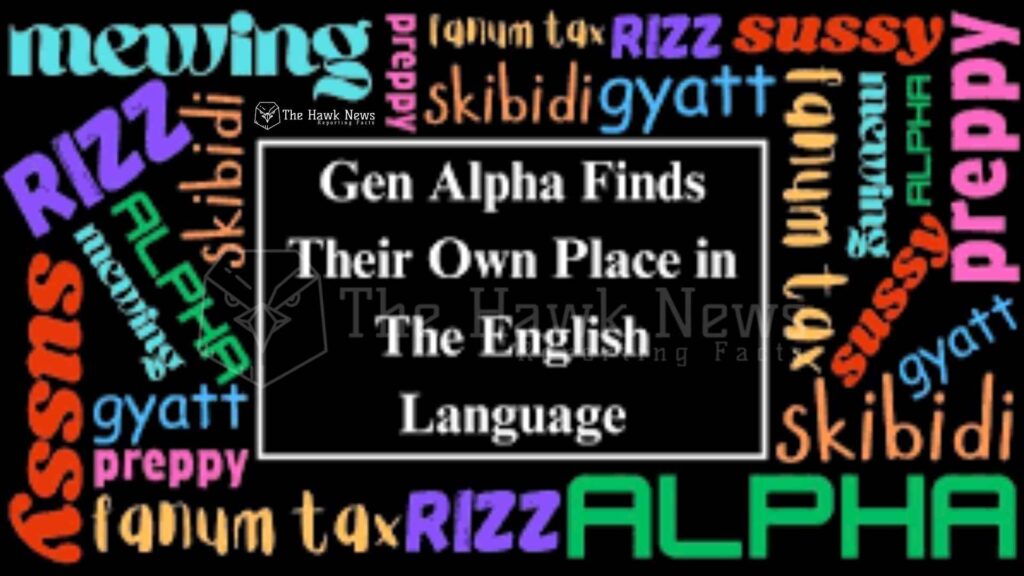
Language has always been a mirror of culture, reflecting the values, habits, and identity of those who use it. Each generation has coined its own slang and expressions, from the “groovy” of the 1970s to the “YOLO” of the 2010s.
But no generation has shaped or been shaped by technology quite like Generation Alpha—the cohort born from 2010 onwards, growing up entirely in the digital age.
As the first generation to be fully immersed in smartphones, streaming, social media, and AI from birth, their linguistic patterns are already distinct.
Gen Alpha isn’t just borrowing from older generations like Gen Z or Millennials; they are creating a new linguistic landscape—fast, hybrid, and deeply tied to online culture.
Who is Gen Alpha?
Before decoding their linguistics, let’s define the group. Gen Alpha includes those born between 2010 and 2025, making them the children of Millennials and the younger siblings of Gen Z.
Unlike previous generations, they:
- Learned to swipe screens before they could read.
- Grew up with YouTube, TikTok, and AI assistants as primary sources of entertainment and information.
- Consume visual and audio content as much as text.
- Live in a world where emojis, memes, and voice notes are as natural as written words.
This unique upbringing is reshaping the way they communicate.
Core Traits of Gen Alpha Linguistics
1. Visual-First Communication
For Gen Alpha, language isn’t limited to words. Emojis, GIFs, stickers, and memes function as a parallel vocabulary. A simple 🔥 or 😂 can replace entire sentences. Platforms like TikTok and Instagram have normalized communicating through images and short videos rather than text-heavy posts.
2. Hybrid Language
Gen Alpha blends multiple forms of communication seamlessly:
- Text + Emoji Hybrid: “That test was 😭😭😭.”
- Acronyms + Words: “Lowkey sus, ngl.”
- Meme References: Using phrases like “It’s giving…” or “NPC energy” borrowed from online culture.
Their language is multi-modal, merging visual and textual layers.
3. Speed and Brevity
Attention spans are short, and so is their communication. Abbreviations, clipped words, and acronyms dominate. Examples include:
- “fr” = for real
- “rizz” = charisma
- “gyat” = exaggerated exclamation for surprise or attraction
- “bet” = agreement
For Gen Alpha, efficiency is key: the faster you can convey meaning, the better.
4. Gaming and Digital Influence
Gen Alpha grew up on Minecraft, Roblox, and Fortnite, and their language reflects it. Gaming slang like “respawn,” “OP” (overpowered), or “GG” (good game) bleeds into everyday conversation.
Their metaphors are often digital: “That level was easy” can describe a simple school task.
5. Cultural Borrowings
They borrow liberally from Gen Z slang but remix it with their own twists. While Gen Z made “slay” and “stan” popular, Gen Alpha adds fresh terms like “skibidi” (nonsense meme trend) or “Ohio” (used online to mean absurd or cursed). Their language evolves at the speed of viral content.
Examples of Gen Alpha Slang in Action
A typical exchange between two Gen Alpha kids might look like this:
- Kid A: “That homework was lowkey NPC vibes.”
- Kid B: “Fr, I had zero rizz with that math test. Gyat 😭.”
- Kid A: “Bet, let’s just grind tomorrow.”
To outsiders, this may sound like gibberish. But to them, it’s fluid, expressive, and efficient.
The Role of Technology in Shaping Their Language
Gen Alpha linguistics is inseparable from the digital platforms they inhabit.
- TikTok: Trends here shape global slang overnight. Words like “cap” (lie) or “bussin” (amazing) spread like wildfire.
- AI & Voice Assistants: Growing up asking Alexa or Siri questions, they normalize speech-to-tech interactions. Their phrasing often mirrors commands (“play song,” “show video”), creating clipped communication styles.
- YouTube & Streamers: Streamer culture contributes phrases like “let’s gooo” and “pog” (from Twitch) into mainstream youth lingo.
- Memes: Memetic language—words used ironically, out of context, or exaggerated—defines much of Gen Alpha’s humor.
Academic and Social Implications
Linguists and educators are watching closely as Gen Alpha’s language evolves. The rise of hybrid, shorthand, and visual-first communication raises important questions:
- Impact on Literacy
Critics worry that shortened slang may weaken spelling and grammar skills. However, studies suggest that using multiple forms of language (slang, emojis, memes) may actually enhance creativity and code-switching abilities. - Code-Switching Mastery
Gen Alpha shows early skill in shifting registers. They may write “rizz” in a group chat but switch to formal English in essays. This adaptability mirrors bilingualism in many ways. - Generational Divide
Parents and teachers often struggle to decode Gen Alpha slang, creating communication gaps. What sounds like nonsense to adults may be an entire social code to kids. - Globalization of Language
Thanks to online platforms, Gen Alpha slang spreads globally within days. A phrase coined by a gamer in the U.S. can be used by a teenager in India the next week. Language is more globalized than ever.
Criticism and Concerns
Not everyone embraces Gen Alpha linguistics with enthusiasm. Common criticisms include:
- Erosion of “proper” language: Older generations fear that grammar and vocabulary are being diluted.
- Shallow communication: Critics argue that relying on memes and emojis oversimplifies expression.
- Exclusionary language: Slang evolves so fast that even within Gen Alpha, kids risk being left out if they don’t keep up.
Yet, history shows that every generation’s slang has been criticized, only to become accepted later. Words like “cool” or “okay” were once considered informal fads—now they’re mainstream.
The Future of Gen Alpha Linguistics
What makes Gen Alpha unique is not just their slang but their fluidity between modes of communication. They move effortlessly between text, visuals, audio, and video. In the future, we may see:
- Increased use of AI slang: As kids interact with chatbots and AI tools, their language may absorb AI-inspired shortcuts.
- Emojis as grammar: Already, some Gen Alpha texts use emojis as punctuation. Future writing systems may expand this.
- Global fusion slang: Expect more cross-cultural borrowing, with slang mixing English, Hinglish, Spanglish, and other hybrid forms.
- Short-form dominance: With platforms like TikTok shaping language, brevity will remain central.
Final Thoughts
Gen Alpha’s linguistics might sound alien, confusing, or even chaotic to outsiders. But in reality, it reflects the world they inhabit: fast-paced, digital-first, globalized, and meme-driven. Their words aren’t just slang; they are social signals, cultural markers, and tools of identity.
Just as Boomers had their “groovy” and Gen Z had their “lit,” Gen Alpha will leave behind its own linguistic legacy. The difference is that this time, the legacy will likely be visual, digital, and global—reshaping not just youth culture, but the future of language itself.
So, the next time you hear a 12-year-old say, “That’s giving NPC vibes, no cap,” don’t dismiss it as nonsense. Instead, recognize it as the latest chapter in humanity’s ever-evolving story of communication.