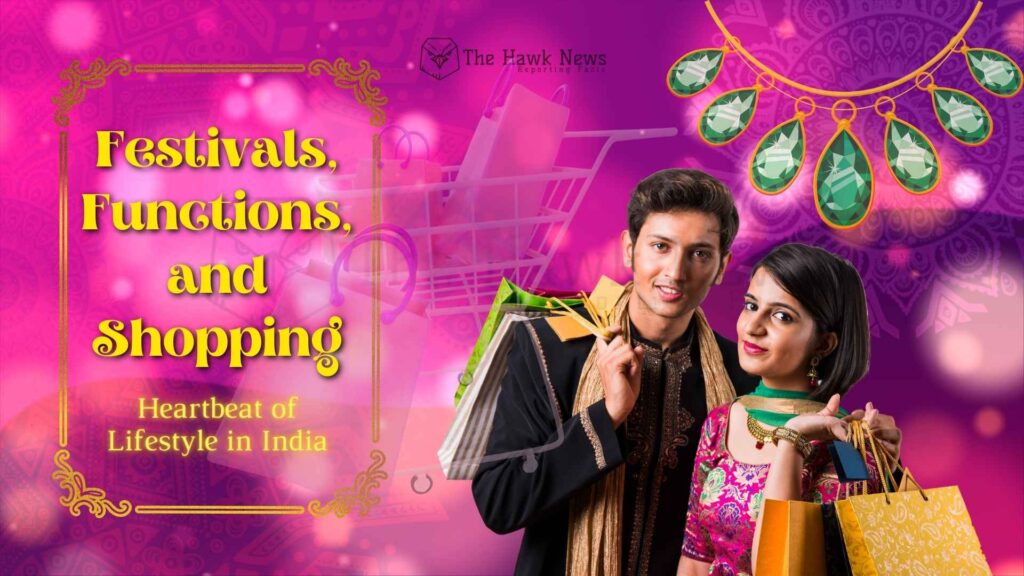
Festivals and functions in India are more than cultural events — they are economic powerhouses and lifestyle phenomena.
From Diwali’s glow to Eid’s warmth, from weddings that rival film sets to seasonal sales that crash online servers, celebrations and shopping have become inseparable threads in the fabric of Indian society. Together, they shape not just traditions but also industries, influencing everything from retail and e-commerce to travel and hospitality.
This article explores how festivals and functions fuel shopping trends, drive business cycles, and redefine lifestyle choices in modern India.
Festivals: Where Faith Meets the Marketplace
India is home to a kaleidoscope of festivals, each carrying religious, cultural, and social significance. Diwali, Holi, Eid, Christmas, Pongal, Navratri, Ganesh Chaturthi, Onam, and Durga Puja — the list is long and vibrant. But alongside the joy and rituals, festivals also set the stage for an economic surge.
- The Festival Economy:
During Diwali alone, India witnesses an estimated business of over ₹3 lakh crore, spanning sweets, clothes, jewellery, electronics, automobiles, and home décor. E-commerce giants like Amazon and Flipkart host “Great Indian Festival” and “Big Billion Days,” timing their mega sales with festive euphoria. - Lifestyle Impact:
Festivals aren’t only about buying — they’re about togetherness. Families reunite, homes are decorated, rituals are performed, and communities come alive. Shopping during festivals has become a way to express joy and generosity, from gifting dry fruits and sarees to splurging on gadgets and cars. - Business Tie-ins:
Brands align campaigns with cultural sentiments. Think Cadbury’s iconic Diwali ads or jewellery stores offering “Shubh Muhurat” discounts. Even global brands now time launches around Indian festivals, recognizing their unmatched sales potential.
Functions: Weddings and Celebrations as Mega Industries
If festivals are annual peaks, functions like weddings are year-round economic engines. India hosts nearly 10 million weddings annually, with the industry valued at around ₹3.7 lakh crore and growing at 25–30% per year.
- The Business of Big Fat Weddings:
Indian weddings are not just personal milestones — they are extravagant productions involving venues, catering, décor, photography, fashion, jewellery, travel, and entertainment. Destination weddings in Jaipur, Udaipur, Goa, and even overseas in Thailand or Dubai fuel tourism and hospitality sectors. - Lifestyle Aspirations:
Weddings today reflect lifestyle choices. The rise of designer lehengas, themed décor, pre-wedding shoots, drone photography, and curated gift hampers shows how personalization drives modern functions. Social media, especially Instagram and Pinterest, have amplified the aspirational value of weddings, inspiring people to spend more and make their events unique. - Beyond Weddings:
Birthdays, anniversaries, corporate functions, and religious milestones like naming ceremonies or housewarmings also add to this booming segment. Together, they create opportunities for small businesses — from local caterers and event planners to makeup artists and DJs.
Shopping: The Cultural and Economic Connector
Shopping is the golden thread tying festivals and functions together. It’s not just about consumption; it’s a ritual, an experience, and increasingly, a lifestyle statement.
- Traditional Shopping:
Local bazaars still thrive during festivals. From Chandni Chowk in Delhi to Charminar in Hyderabad, from silk saree stores in Kanchipuram to jewellery shops in Surat, traditional markets attract massive crowds seeking authenticity. - The Rise of E-commerce:
The digital shopping wave has transformed how Indians prepare for festivals and functions. Convenience, discounts, and doorstep delivery have made platforms like Amazon, Flipkart, Myntra, and Nykaa household names. Statista projects India’s e-commerce market to hit $150 billion by 2026, with festivals being the biggest catalysts. - Luxury & Lifestyle Shift:
A new generation of shoppers views purchases as lifestyle investments. Designer wear, curated hampers, eco-friendly décor, organic sweets, and artisanal jewellery reflect changing tastes. Experiential shopping — like malls hosting Diwali melas or online AR tools letting you “try before you buy” — are blurring the line between tradition and modernity.
The Business Impact: Festivals and Functions as Economic Multipliers
1. Retail & FMCG
Retail sales skyrocket during festive seasons. Electronics, appliances, and FMCG (Fast-Moving Consumer Goods) brands record their highest annual growth in these months. Sweets and packaged foods see exponential demand, with companies innovating on packaging and flavors.
2. Fashion & Jewellery
No festival or wedding is complete without new clothes and ornaments. India’s fashion industry banks heavily on these cycles, while jewellery stores witness record-breaking sales during Akshaya Tritiya and Dhanteras.
3. Travel & Tourism
Festivals like Durga Puja or Ganesh Chaturthi boost domestic tourism, while weddings contribute to a thriving destination tourism market. Airlines, hotels, and transport companies align packages to these demands.
4. Hospitality & Food
Restaurants and cloud kitchens innovate festive menus. Luxury hotels host lavish buffets and wedding banquets, tapping into both religious and social celebrations.
5. Tech & Gadgets
Smartphones, TVs, laptops, and smart home devices are often launched or heavily discounted during festive periods. The emotional trigger of festivals pushes buyers to upgrade.
Changing Trends: What the Future Holds
- Sustainable Celebrations:
Eco-friendly Ganesh idols, organic Holi colors, and sustainable wedding décor are gaining traction as younger generations prioritize environmental responsibility. - Digital-First Celebrations:
From online pujas to livestreamed weddings for distant relatives, technology is reshaping how people connect during festivals and functions. - Personalized Shopping Experiences:
AI-powered recommendations, AR trial rooms, and hyper-local delivery services are making shopping deeply personal and efficient. - Globalization of Indian Festivals:
Indian diaspora has taken Diwali, Holi, and Eid celebrations global, creating international markets for Indian sweets, clothes, and décor.
Lifestyle Takeaway: Why This Cycle Matters
Festivals, functions, and shopping aren’t isolated activities — they are intertwined expressions of identity, community, and aspiration. For individuals, they offer joy, pride, and belonging.
For businesses, they are opportunities for growth, innovation, and consumer loyalty. Together, they define the pulse of India’s business-lifestyle ecosystem.
Conclusion: The Celebratory Economy
India’s festivals and functions are not just about prayers or parties — they’re about people, prosperity, and progress. Shopping ties it all together, acting as both a ritual and a business driver.
As India grows digitally, demographically, and globally, the interplay of festivals, functions, and shopping will only become stronger — blending timeless traditions with futuristic lifestyles.
In short, when India celebrates, the world takes notice — and the economy flourishes.