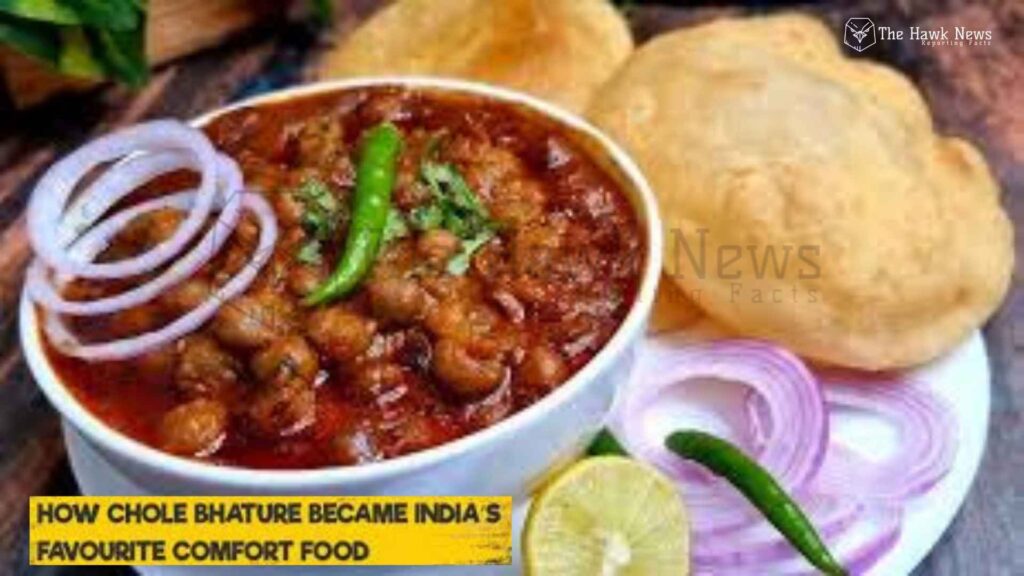
When it comes to food that unites India across regions and generations, few dishes stand out like Chole Puri.
Spicy chickpeas paired with golden, puffed puris are not just a meal; they’re a celebration on a plate.
Found everywhere from wedding feasts to temple kitchens, Chole Puri is woven into the cultural fabric of India’s culinary heritage.
A Dish with Deep Roots
Chole Puri is not a new trend—it’s a timeless tradition. With origins in North India, the dish has long been associated with festivals, family gatherings, and temple offerings.
In Punjab and Delhi, it’s the star of Sunday breakfasts. In Uttar Pradesh, it’s a festive staple, often accompanied by halwa in the much-loved Chole Puri Halwa combination.
Street food vendors across India proudly serve Chole Puri, while high-end restaurants present it as a classic comfort dish. The widespread appeal lies in its versatility—it is equally at home in a humble dhaba or a five-star buffet.
The Perfect Pairing
- Chole (chickpea curry): Made from white chickpeas simmered in onions, tomatoes, ginger, garlic, and a medley of spices including cumin, coriander, turmeric, and garam masala. The result is a rich, aromatic curry that carries just the right balance of tang and spice.
- Puri (deep-fried bread): Made from wheat flour dough, rolled into small discs, and deep-fried until golden and puffed. Soft yet slightly crisp, puris are the ideal companion to soak up the spicy gravy.
Together, they create a dish that is hearty, satisfying, and unmistakably Indian.
Food of Festivals and Faith
Chole Puri is not just food—it’s emotion. During festivals like Diwali, Navratri, and Holi, families prepare it as a celebratory meal.
In temples and gurudwaras, it is often distributed as prasad (sacred offering), symbolizing abundance and devotion.
In weddings, Chole Puri holds its place alongside biryani and paneer dishes, proving that it’s not just comfort food but a dish of prestige.
Health Check: Is Chole Puri Good for You?
Like many Indian festive foods, Chole Puri sits in a grey zone between indulgence and nutrition.
The Good:
- Chickpeas are nutrient-rich. They are packed with protein, fiber, iron, and essential vitamins, making chole a filling and energizing dish.
- Spices add health benefits. Turmeric, cumin, ginger, and garlic aid digestion and boost immunity.
The Not-So-Good:
- Pur is deep-fried. While delicious, puris are calorie-dense, high in fats, and can contribute to cholesterol levels if consumed too often.
- Chole is often oily. Many traditional recipes use extra oil to enhance flavor, which may not align with heart-healthy diets.
The Verdict:
Chole Puri is best enjoyed in moderation. For everyday meals, it’s wiser to opt for chole with roti or brown rice. But as a festive treat, it’s unbeatable.
After all, celebrations are about balance—between joy and health, between tradition and modern lifestyle.
Why Chole Puri Still Reigns Supreme
Despite the rise of global cuisines, fusion foods, and health-conscious diets, Chole Puri continues to hold its ground.
It is a dish that connects generations: grandparents who recall temple feasts, parents who relish Sunday brunches, and children who look forward to special occasions.
Its charm lies not only in taste but also in the emotions it stirs—warmth, celebration, and togetherness.
Final Word
Chole Puri is more than just food; it’s a story of tradition, celebration, and indulgence.
It may not always win the award for the healthiest dish, but it will forever remain a comfort food that India turns to when it’s time to celebrate life’s sweetest moments.
So, whether it’s on your grandmother’s dining table, a street vendor’s stall, or in a wedding buffet, Chole Puri continues to prove that some classics never fade away.