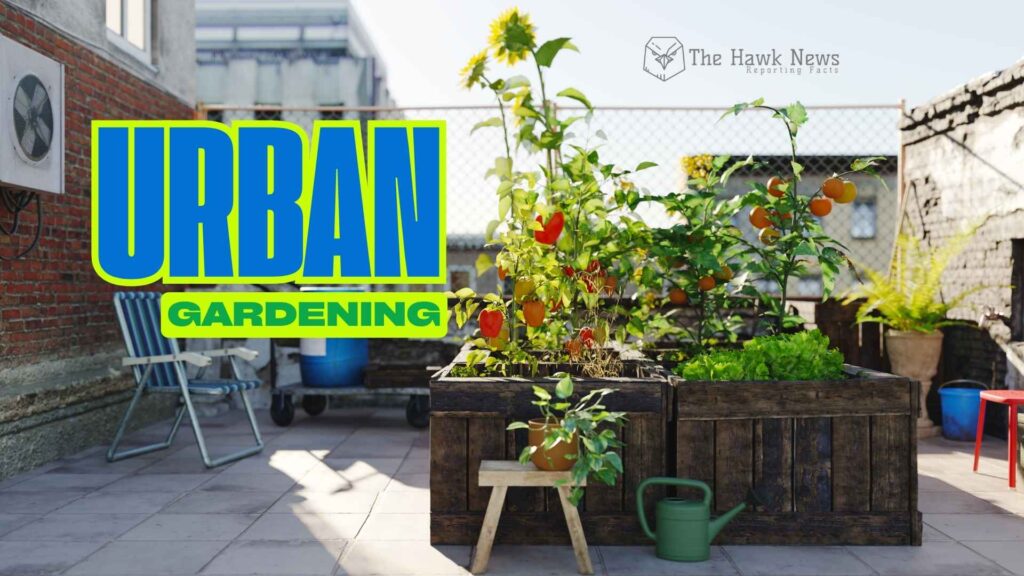
In the middle of a noisy city, where skyscrapers scrape the sky and traffic drowns out the birdsong, a quiet revolution is taking root — quite literally. From balconies overflowing with herbs to vertical gardens climbing apartment walls, urban residents are turning their concrete homes into patches of green.
This is the urban gardening boom, a movement that’s redefining how city dwellers connect with nature. In tiny flats with barely enough room for a chair, people are carving out space for spinach, tomatoes, chillies, and even microgreens. The question is no longer “Do you have a garden?” but rather, “What’s growing on your balcony?”
Why the Boom, and Why Now?
The rise of urban gardening isn’t accidental. A combination of lifestyle shifts, environmental concerns, and pandemic lessons has spurred people to bring nature indoors.
- Health & Fresh Food: With rising awareness about pesticides and food quality, many prefer home-grown produce. A handful of balcony-grown basil feels more trustworthy than store-bought.
- Sustainability: Micro-gardens reduce carbon footprints, especially when paired with composting kitchen waste.
- Mental Health: Studies show that nurturing plants reduces stress and boosts happiness. For many young professionals, tending to pots is a therapeutic break from screens.
- Economic Push: With food inflation making veggies costlier, growing herbs or leafy greens at home saves money.
The pandemic further accelerated this trend. Lockdowns reminded people of how fragile supply chains can be — leading many to rethink food sources and self-sufficiency.
How City Apartments are Becoming Mini-Farms
Space is no longer a limitation; creativity has taken center stage.
- Vertical Gardens: Wall-mounted planters and stacked systems make use of vertical space, turning a bare wall into a green canvas.
- Hydroponics & Aeroponics: Soil-free gardening systems allow herbs and leafy greens to flourish in water-based nutrient solutions, perfect for cramped apartments.
- Hanging Pots & Grow Bags: From ceilings to balcony railings, every inch of space is utilized.
- Recycled Materials: Old bottles become planters, wooden crates become raised beds, and tin cans house herbs.
For some, this is a hobby. For others, it’s a mission to reclaim nature in urban life.
Global and Local Examples
Across the world, cities are embracing micro-gardening. Singapore promotes rooftop gardens to combat the urban heat island effect. In New York, vertical farming startups are scaling up to supply local restaurants. Tokyo apartments showcase balcony micro-forests as part of minimalist living.
In India, cities like Bengaluru, Mumbai, and Delhi have become hubs for the movement. Roof terraces bloom with spinach, mint, gourds, and chillies. Urban farming communities host workshops and plant swaps. Startups like UrbanKisaan are introducing hydroponic kits for home growers, making farming as simple as ordering online.
Stories from the Balcony
Take Sneha, a marketing professional in Mumbai. With a two-bedroom flat and no backyard, she transformed her balcony into a mini-ecosystem. Today, she grows coriander, spinach, tomatoes, and even strawberries — all in pots. “I never thought I’d harvest my own food in Mumbai,” she says. “Now, dinner often comes from my balcony.”
Or consider an IT professional in Bengaluru who uses a hydroponic tower to grow lettuce, kale, and herbs for his family. His entire month’s supply of salad greens comes from a corner of his living room.
These stories are no longer rare. They reflect a generation rethinking space and redefining what “gardening” means.
The Challenges
Of course, urban gardening is not without its difficulties.
- Limited Sunlight: High-rise apartments often block direct sunlight, restricting what can be grown.
- Time Commitment: Plants require regular care — something not all busy city-dwellers can manage.
- Water Concerns: In drought-prone cities, questions arise about whether hobby-gardening is sustainable.
- Limited Impact on Food Security: While balcony gardens provide fresh herbs and vegetables, they cannot replace large-scale agriculture.
Yet, many see these challenges not as deterrents, but as opportunities for innovation.
The Role of Technology
Technology is bridging many gaps in urban gardening:
- Smart Gardening Apps: Mobile apps remind users to water, fertilize, and track plant growth.
- IoT Sensors: Devices measure soil moisture and send alerts when watering is needed.
- LED Grow Lights: Artificial lighting ensures plants thrive even in dark corners of apartments.
- DIY Kits: Startups now sell all-in-one kits for beginners, lowering the entry barrier.
This fusion of nature and tech appeals strongly to Gen Z and millennials, who are used to managing life through apps.
The Bigger Picture: Healing Cities
Urban gardening is more than just a hobby. It reflects deeper societal desires:
- Reconnecting with Nature: In an era of screen fatigue, greenery offers grounding.
- Climate Action: Micro-gardens, when multiplied across thousands of homes, help combat air pollution and urban heat.
- Community Building: Apartment complexes are forming gardening clubs, turning rooftops into collective farms and strengthening neighborly ties.
Ultimately, these micro-gardens are tiny acts of resistance against concrete monotony — small but powerful steps toward greener, healthier cities.
What the Future Holds
The next frontier of urban gardening might be bigger and bolder. Rooftop farms that supply entire apartment complexes, vertical farms integrated into skyscrapers, and government incentives for green balconies could become the norm.
Architects are already designing “living buildings” — structures where plants cover walls and roofs. If scaled up, such designs could revolutionize urban landscapes.
For now, the movement continues to sprout, pot by pot, balcony by balcony.
🌱 Conclusion: Concrete Cities, Green Dreams
The urban gardening boom proves one thing: nature cannot be shut out, even in the densest of concrete jungles. City residents, especially younger generations, are finding joy and meaning in nurturing life in small spaces.
These mini-gardens may not solve global food shortages, but they do something equally important — they reconnect humans to nature, foster sustainability, and bring peace to daily urban chaos.
So the next time you walk past an apartment balcony, don’t be surprised if instead of laundry drying, you spot tomatoes ripening. The garden has truly moved into the city.