For generations, coffee has been the world’s most reliable morning companion. From steaming roadside chai stalls in India to high-end cafés in New York, that shot of caffeine has powered workers, students, and dreamers alike. But in 2025, coffee culture is undergoing a curious makeover.
Your Instagram feed is no longer filled only with cappuccinos and cold brews. Instead, there’s a new wave of frothy, earthy-looking drinks: mushroom coffee and adaptogen lattes—the so-called “Caffeine 2.0.”
Are these drinks just another wellness fad, or do they actually deliver what they promise? Let’s sip into this growing trend.
From Coffee to “Functional Brews”
Coffee has always been more than just a beverage; it’s a culture. The rise of artisanal brewing, specialty beans, and third-wave cafés reshaped how we experience caffeine. But now, as health consciousness rises, many consumers are asking: Can coffee do more than wake me up?
That question has led to the rise of functional beverages—drinks that combine caffeine with natural herbs, mushrooms, or adaptogens to promise not just alertness, but focus, calmness, or even immune support.
The Mushroom Coffee Movement
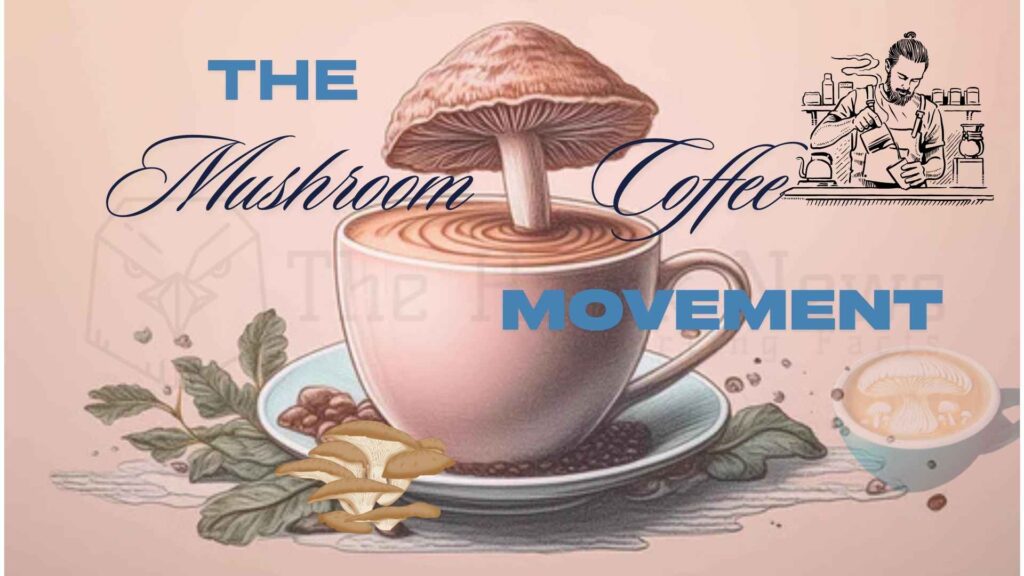
Mushroom coffee is not as strange as it sounds. No, it doesn’t taste like a plate of sautéed mushrooms. Instead, it blends ground coffee with powdered medicinal mushrooms such as lion’s mane, chaga, reishi, and cordyceps.
Each of these mushrooms has been celebrated in traditional medicine:
- Lion’s Mane is linked to improved focus and memory.
- Chaga is prized for its antioxidants.
- Reishi is known as the “calming mushroom,” often used to reduce stress.
- Cordyceps is linked to better stamina and energy.
Together with caffeine, mushroom coffee promises a smoother energy curve—alertness without the jittery crash often associated with regular coffee.
While clinical evidence is still evolving, early studies suggest that compounds in these mushrooms may indeed support brain health and immunity. Whether or not every claim holds up, one thing is clear: wellness enthusiasts love the idea of upgrading their daily cup.
Adaptogen Lattes: Stress Relief in a Cup?
Alongside mushroom coffee, adaptogen lattes are making waves. Adaptogens are a class of herbs and roots that help the body adapt to stress and restore balance. They include:
- Ashwagandha (a staple of Ayurveda, linked to reduced anxiety),
- Rhodiola (used to combat fatigue),
- Holy Basil (Tulsi) (believed to regulate cortisol levels),
- Ginseng (long valued for vitality and endurance).
Mix these into warm milk or plant-based alternatives, and you have an “anti-anxiety latte” that feels tailor-made for today’s high-stress, always-online lifestyle.
The Social Media Push
If you’ve scrolled through TikTok or Instagram recently, chances are you’ve seen videos of influencers whisking mushroom powders into their morning brews. With hashtags like #MushroomCoffee and #AdaptogenLatte racking up millions of views, these drinks are as much an aesthetic lifestyle choice as they are a wellness trend.
Brands are leaning into this momentum, selling beautifully packaged instant blends and starter kits. Cafés in New Delhi, London, and Los Angeles are adding “functional lattes” to menus, marketing them as the perfect balance of indulgence and wellness.
For Gen Z and millennials, who are constantly seeking products that align with mental health, sustainability, and Instagram aesthetics, these drinks hit all the right notes.
The Sustainability Angle
Traditional coffee farming is resource-intensive, requiring large amounts of water and facing threats from climate change. Mushrooms, on the other hand, can be grown in controlled environments with far less ecological impact. Adaptogenic herbs like ashwagandha and tulsi are also relatively resilient and sustainable crops.
By leaning on these ingredients, mushroom coffee and adaptogen lattes carry a sustainability narrative that appeals to eco-conscious consumers. The question, however, is whether large-scale demand might strain these alternative supply chains in the future.
The Consumer Experience
Who is drinking mushroom coffee and adaptogen lattes?
- Wellness enthusiasts who already embrace yoga, meditation, and plant-based diets.
- Young professionals looking for productivity without burnout.
- Students who want energy for study marathons without caffeine crashes.
Many report that switching to mushroom coffee has helped them feel less anxious, while adaptogen lattes are praised as “rituals of calm” in hectic lives.
One Mumbai-based marketing executive told The Hawk News, “I start my mornings with mushroom coffee. It keeps me alert but I don’t get the jitters I used to with regular espresso. In the evening, I switch to an ashwagandha latte to wind down. It’s like biohacking with beverages.”
The Skeptic’s Corner
Of course, not everything is froth and foam. Nutritionists caution that while mushrooms and adaptogens show promise, scientific evidence is still catching up to the hype. Most studies are small or preliminary. Moreover, adaptogen supplements are not tightly regulated, meaning consumers can’t always be sure of potency or purity.
There’s also the matter of price: a bag of mushroom coffee or an adaptogen latte mix can cost 5–10 times more than regular coffee. Critics argue that much of the trend is marketing-driven, designed to appeal to health-conscious but affluent buyers.
More Than a Fad?
Whether mushroom coffee and adaptogen lattes will become mainstream or remain niche wellness luxuries remains to be seen. But one thing is certain: this trend reflects a cultural shift. People today want more than caffeine. They want drinks that align with their goals—better focus, less stress, greater sustainability, and even a sense of ritual.
Coffee is no longer just a stimulant; it has become a statement of lifestyle and identity.
Conclusion
From bustling cafés in Bengaluru to sleek wellness studios in San Francisco, mushroom coffee and adaptogen lattes are turning caffeine into a conversation about health, sustainability, and mindful living.
They may not fully replace your morning filter coffee or Starbucks latte, but they’re already shaping how the next generation thinks about energy, wellness, and the simple act of sipping a cup.
As one barista put it: “Coffee was always about waking up. Now, it’s about waking up well.”