Introduction: A Dish That Crossed Borders
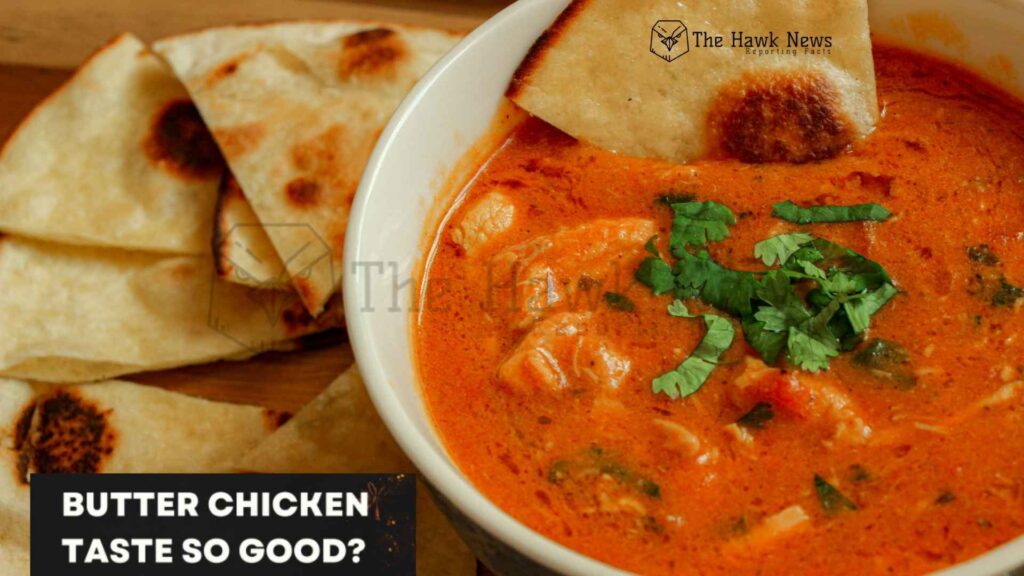
Food has always been more than just sustenance—it’s a universal language that speaks of culture, comfort, and connection. In today’s interconnected world, few dishes embody this better than Butter Chicken (Murgh Makhani).
Creamy, aromatic, and indulgently satisfying, Butter Chicken has transcended its humble beginnings in post-independence Delhi to become a global ambassador of Indian cuisine.
Ranked among the world’s top dishes, debated in courtrooms over its origins, and searched online by millions, this dish is proof that taste knows no boundaries.
But beyond Butter Chicken lies a larger truth: culinary taste unites us all. Whether it’s pizza in Naples, sushi in Tokyo, tacos in Mexico, or biryani in Hyderabad, food creates common ground. It brings strangers to the same table, sparks cultural curiosity, and often softens divides that politics and ideologies deepen.
The Global Rise of Butter Chicken
According to TasteAtlas’ 2024 rankings, Butter Chicken was listed among the world’s top 100 dishes, placing 29th globally and 4th among chicken dishes. Its universal appeal lies in its balanced flavor—mildly spiced, rich, and creamy—making it accessible to palates across continents.
From London pubs serving it with naan to New York’s Michelin-starred spins, Butter Chicken is no longer just Indian—it is global. In Australia, it’s a top takeaway choice; in Canada, it appears on fusion menus as Butter Chicken Poutine; in the Middle East, it’s paired with local breads. Its adaptability makes it more than a dish—it’s a cultural bridge.
And yet, it’s not the only Indian dish winning hearts. Hyderabadi Biryani, Shahi Paneer, and Masala Dosa feature prominently on global rankings, proving that Indian taste is no longer regional—it’s international.
Taste as a Great Equalizer
Why does taste unite? Unlike language or borders, flavor travels easily. A child in Paris can savor Butter Chicken just as much as a businessman in Mumbai. Sharing food breaks down barriers of class, race, and nationality.
At international food festivals, strangers bond over plates. During cricket matches or World Cups, fans unite through street food stalls. Even global crises—like the pandemic—showed how recipes and food trends went viral online, reminding us that cooking and eating are shared human instincts.
Food is also tied to memory. Immigrants often recreate home-cooked meals abroad, introducing neighbors to their culture. Butter Chicken’s journey mirrors this—an immigrant creation that became a comfort dish for millions worldwide.
The Origins Debate: A Dish Bigger Than Ownership
Interestingly, Butter Chicken is also a subject of legal and cultural debate. Two Delhi restaurants—Moti Mahal and Daryaganj—have gone to court over who invented it. Moti Mahal claims its founder, Kundan Lal Gujral, created it in pre-partition Peshawar and refined it in Delhi post-1947. Daryaganj counters that Kundan Lal Jaggi, another refugee, first made it in Delhi itself.
While courts weigh evidence, the dish’s popularity has made ownership almost irrelevant. For millions worldwide, Butter Chicken belongs to everyone who loves it. Its story is not of competition but of survival, migration, and sharing—a reminder that taste is stronger than territorial claims.
Global Examples: When Food Crosses Cultures
Butter Chicken is just one example of how taste unites. Across history, food has consistently blurred boundaries:
- Pizza from Italy has become the world’s go-to fast food, with countless regional adaptations.
- Sushi from Japan went from a traditional delicacy to an everyday meal in Western cities.
- Tacos from Mexico are now street food staples from Los Angeles to London.
- Falafel from the Middle East is embraced as a healthy vegetarian option worldwide.
India itself has embraced global flavors: burgers have become “aloo tikki burgers,” pasta dishes feature masala, and even ramen has Indianized versions. Food proves that cultural exchange is often most successful on the plate.
Technology, Delivery, and the Democratization of Taste
Another reason food unites today is technology. Delivery platforms like Swiggy and Zomato in India report millions of orders of biryani and butter chicken each year—showing not just popularity but accessibility. Similarly, Uber Eats and DoorDash deliver Indian food to homes in the U.S. and Europe at lightning speed.
Social media platforms amplify this connection. TikTok beauty trends may dominate headlines, but food challenges, viral recipes, and cooking hacks are equally powerful cultural connectors. A Butter Chicken recipe can go viral in Toronto, get remade in Seoul, and spark debates in Delhi—all within hours.
Taste as Diplomacy
Beyond enjoyment, food has become a diplomatic tool. Indian restaurants abroad often act as soft power, introducing people to Indian culture through their stomachs. Butter Chicken, with its mild spice profile, often becomes the first dish foreigners try—an entry point into the broader world of Indian cuisine.
Countries, too, use food festivals and culinary exchanges to foster goodwill. “Gastro-diplomacy” is now recognized as a way to win hearts when politics fail. Taste, in this sense, is not just about flavor—it’s about building bridges.
Challenges: Commercialization vs Authenticity
But as food globalizes, challenges arise. Butter Chicken in Delhi tastes different from Butter Chicken in Toronto. While some argue this dilutes authenticity, others say adaptation is natural—it reflects local culture embracing global taste.
The real test lies in balance: keeping traditions alive while letting food evolve. After all, authenticity itself is fluid. The Butter Chicken we know today was originally an improvisation with leftover tandoori chicken—proof that evolution is part of culinary DNA.
By 2025: Who Wins the Plate?
As the world moves deeper into globalization, taste will only become more unifying. By 2025, with migration increasing, social media growing, and delivery apps expanding, we may see even greater fusion cuisines.
Butter Chicken pizzas, biryani burritos, ramen dosas—the possibilities are endless. The winner of this race will not be a single cuisine but the shared joy of taste that adapts, travels, and unites people everywhere.
Conclusion: A Shared Table
At its heart, the story of Butter Chicken is the story of food itself. Born of necessity, shaped by migration, debated over ownership, yet celebrated universally—it shows how taste transcends boundaries.
In a divided world, where headlines often highlight conflict, food offers a softer narrative: one of unity, curiosity, and shared pleasure. Taste unites because it reminds us of what we share, not what separates us.
So the next time you scoop Butter Chicken with naan, or watch someone savor biryani across the globe, remember—you’re part of a universal conversation, spoken not in words, but in flavors.