1. The Exhausted World
We live in a world that never stops. Phones buzz with endless notifications, inboxes refill faster than they can be cleared, and hustle-culture quotes scream from every corner of the internet: “Sleep when you’re dead!” “Grind now, shine later!”
But here’s the cruel paradox: in chasing productivity, we’ve become less human. We’ve mistaken exhaustion for achievement, anxiety for ambition, and burnout for success.
Technology promised efficiency, yet it has chained us to screens and blurred the lines between work and life. The modern person is tired — not just physically, but emotionally and spiritually.
Welcome to the Burnout Nation.
2. The Cost of Endless Hustle
Older generations often wore busyness as a badge of honor. To work long hours, to skip sleep, to sacrifice personal time — these were seen as signs of dedication and strength. But what did this mindset really cost?
- Physically: Lifestyle diseases exploded. Heart attacks, diabetes, and hypertension became common. The body could not withstand decades of neglect.
- Emotionally: Families fractured. Children grew up with absent parents, marriages strained under pressure, and relationships became shallow.
- Spiritually: Stillness was forgotten. Silence was feared. Prayer and reflection became luxuries rather than lifelines.
The candle was burned at both ends, and generations lived with the consequences — some silently, some with scars that echoed across their families.
3. Gen Z’s Awakening
Then came a generation who watched it all unfold.
Gen Z grew up seeing their parents drained, their elders worn thin by relentless labor, and their societies fraying under the weight of constant motion. They noticed the cost — and decided: not us.
This generation began questioning the script. Why glorify burnout when it kills creativity, joy, and even health? Why treat rest as weakness when it’s clearly the foundation of strength?
- They normalized mental health conversations — once taboo, now mainstream.
- They embraced boundaries — saying no to toxic workloads and yes to self-care.
- They coined cultural shifts like “quiet quitting” (doing your job without overextending) and the “soft life” movement (choosing peace over pressure).
- They leaned into digital detoxes, mindfulness, and time in nature.
In short, Gen Z reframed rest as resilience. For them, rest isn’t laziness — it’s wisdom.
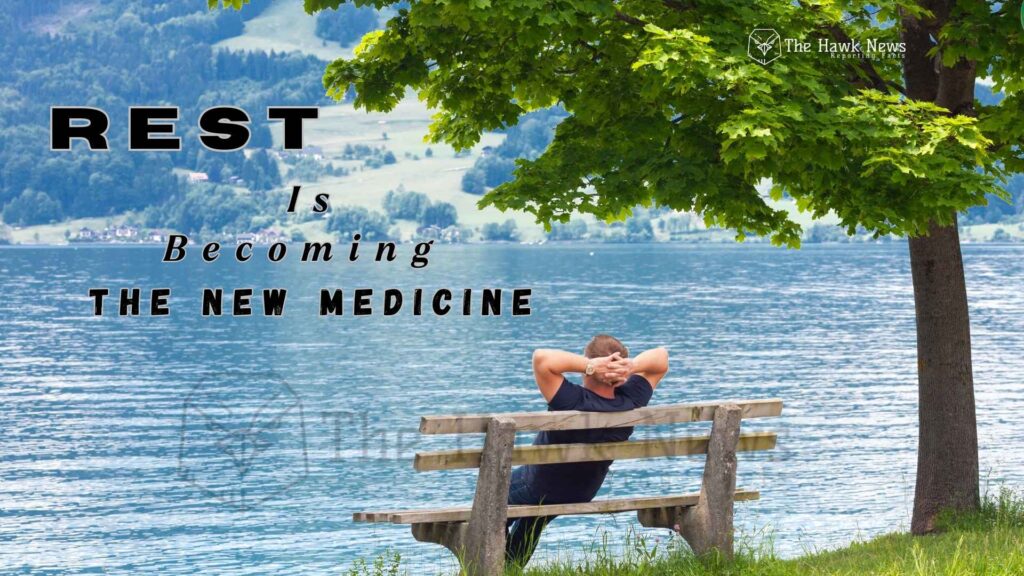
4. Rest as Medicine
Science now validates what faith traditions have whispered for centuries: rest heals.
- The brain uses sleep to detoxify itself, to file memories, and to reset.
- The body repairs tissues, balances hormones, and strengthens immunity during rest.
- The soul finds clarity in stillness. As Scripture says: “Be still, and know that I am God” (Psalm 46:10).
Rest is not wasted time. It’s sacred time. Just as fields need to lie fallow to yield a better harvest, humans need rhythms of rest to live fruitful lives.
5. Why Older Generations Missed It
It’s easy to dismiss the hustle of previous generations, but context matters.
- They lived through scarcity — wars, recessions, survival struggles. For them, work equaled security.
- Rest looked like laziness in a culture that equated worth with toil.
- Productivity became a source of pride — the harder you worked, the more respected you were.
But that survival-driven mindset eventually turned into a cultural trap. It birthed the myth that endless work equals endless progress. In reality, it only bred endless exhaustion.
6. Why Gen Z Redefined It
Gen Z is different because they inherited both the fruits and the failures of the old system.
- Information access: They grew up with the internet, learning early about burnout, anxiety, and the importance of self-care.
- Burnout crisis: By their teenage years, they saw rising suicide rates, mental health emergencies, and the collapse of work-life boundaries.
- Values shift: They don’t see life as “work until retirement.” They value experiences, health, and authenticity over endless accumulation.
In essence, they took the broken pieces of the hustle culture and built a counterculture where rest is not an afterthought but a priority.
7. Practical Shifts We See Today
The ripple effects of this mindset are everywhere:
- Workplaces introducing mental health days, hybrid work, and flexible hours.
- Schools teaching mindfulness, resilience, and balanced routines.
- Families rediscovering the importance of shared meals, vacations, and downtime.
- Churches and faith groups reemphasizing Sabbath rest and community care.
Even in broader culture, productivity hacks now include rest hacks — because people are finally realizing: burnout doesn’t build the future, balance does.
8. Rest Is God’s Design
From the very beginning, God established rhythms of rest. Creation itself culminated not in endless toil, but in the Sabbath — a day of delight, restoration, and stillness.
The command wasn’t just to work hard but also to rest well. When we ignore rest, we don’t just break ourselves; we break the divine design.
Jesus Himself modeled rest, withdrawing to quiet places, stepping away from the crowd, and recharging before returning to serve. If the Son of God needed rest, how much more do we?
9. A Nation at the Crossroads
We stand at a cultural turning point.
- Do we continue down the path of exhaustion, measuring worth by busyness and productivity, only to collapse under the weight of burnout?
- Or do we follow Gen Z’s lead, reclaiming rest as essential medicine — for body, mind, and soul?
Rest is not retreat. It is renewal. It does not make us weak; it makes us whole.
If generations before missed the message, perhaps now is the moment to recover it. Because in the end, a nation that never rests will eventually fall apart. But a nation that learns to rest will rise stronger, kinder, and more alive.
Conclusion
The truth is simple: burnout is not the badge of honor we thought it was. Rest is.
Gen Z saw what others missed. They understood that rest is not the opposite of progress — it’s the very foundation of it. By reclaiming balance, they’ve begun teaching the world a timeless truth: Rest is medicine.
And maybe, just maybe, if we learn from them, we can turn the Burnout Nation into a Restored Nation.