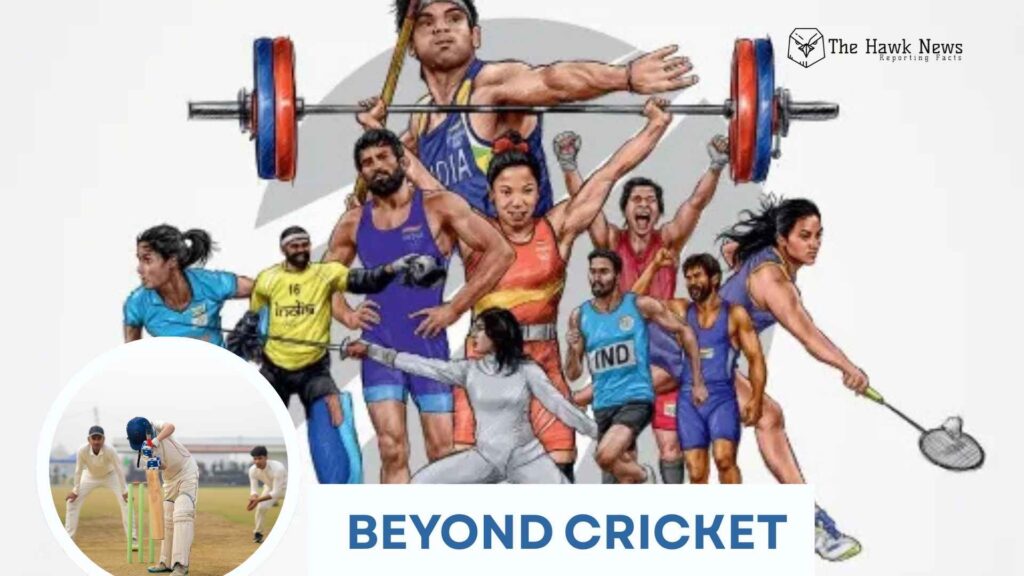
Cricket has long held the throne as India’s most popular sport, commanding attention, viewership, and sponsorship dollars like no other. However, in recent years, a quiet revolution has been taking place across the nation’s sporting landscape.
Sports such as badminton, squash, and kabaddi—once considered niche or regional—are now stepping into the spotlight, thanks to growing leagues, grassroots programs, and an increasingly sports-conscious youth.
As India seeks to diversify its sporting identity, these alternative sports are carving out a distinct space for themselves, offering fresh opportunities for athletes, fans, and sponsors alike.
Badminton: From Backyard Game to International Arena
Badminton’s rise in India is perhaps one of the most striking examples of a non-cricket sport capturing the imagination of the nation. Once largely played casually in backyards or school courts, badminton has transformed into a highly competitive sport that produces world-class talent. The achievements of players like PV Sindhu, Kidambi Srikanth, and Lakshya Sen have not only earned international acclaim but also inspired a generation of aspiring shuttlers. Sindhu’s silver and bronze medals at the Olympics and Srikanth’s rise to the top of the BWF rankings exemplify the sport’s growing stature.
The Premier Badminton League (PBL) has been instrumental in this growth. Launched in 2013, the PBL brought together top Indian and international players, providing an arena for high-stakes competition and fan engagement. With teams representing major cities, the league not only raises the sport’s visibility but also encourages local fan loyalty, similar to the Indian Premier League (IPL) in cricket. Recent PBL seasons have seen increased participation from emerging players, reflecting a deepening talent pool fueled by improved coaching and infrastructure.
Grassroots initiatives have also played a crucial role. Programs like the Sports Authority of India’s badminton camps and various state-level academies ensure that promising talent is identified early. This systematic nurturing of players is a major factor behind India’s growing prominence on the global badminton stage.
Squash: Emerging Talent and International Recognition
Squash, historically overshadowed by cricket and hockey, has quietly gained traction in India. While it remains a niche sport compared to badminton or kabaddi, its presence in national and international circuits has expanded significantly. Young talents like Anahat Singh and Abhay Singh have become household names among squash enthusiasts, showcasing India’s growing potential in the sport. Anahat, in particular, has been recognized for her performance at international junior tournaments, signaling a new era of competitive Indian squash.
Events like the National Squash Championship and the SRFI Squash Tour provide crucial competitive platforms for emerging players. These tournaments expose athletes to high-pressure environments and international standards, helping bridge the gap between grassroots training and elite-level performance.
Moreover, squash academies and regional training centers have proliferated in urban hubs such as Delhi, Mumbai, and Chennai. These facilities, often supported by government initiatives or private sponsorships, offer professional coaching, structured leagues, and advanced equipment, nurturing the next generation of champions. The combination of talent, exposure, and institutional support positions squash as a sport ready for broader recognition in India’s competitive sports ecosystem.
Kabaddi: Reviving an Indigenous Sport
Few sports in India have witnessed as dramatic a revival as kabaddi. Once a traditional rural pastime, kabaddi has found new life through the Pro Kabaddi League (PKL), which launched in 2014 and quickly became a national phenomenon. The PKL’s franchise-based model brought glamour, marketing, and media attention to the sport, drawing millions of viewers across urban and rural India.
Kabaddi’s success lies in its accessibility. Unlike badminton or squash, it requires minimal equipment and can be played in small community spaces, making it an ideal grassroots sport. Regional festivals and events, such as the Natkhat Khel Mahotsav, continue to promote kabaddi in villages and towns, ensuring that local talent remains engaged and that the sport retains its cultural relevance.
The upcoming Season 12 of the PKL promises further growth, with innovative formats, increased media coverage, and international player participation. Kabaddi’s ability to blend traditional appeal with modern sports commercialization demonstrates how indigenous games can thrive in contemporary India.
Grassroots Initiatives and Local Leagues
A common thread across badminton, squash, and kabaddi is the growing emphasis on grassroots development and local leagues. Initiatives like Khelo India, launched by the Ministry of Youth Affairs and Sports, aim to identify and support young talent across multiple sports disciplines.
The program focuses on infrastructure development, coaching, and financial support, ensuring that promising athletes receive the guidance and resources they need to excel.
State-level tournaments and community events further complement these national programs. For instance, local badminton leagues in Maharashtra, Telangana, and West Bengal have helped uncover talented players who later progress to national and international levels.
Similarly, squash clubs in urban centers provide weekly competitions, skill development workshops, and mentorship opportunities. These efforts create a robust pipeline of talent that feeds into professional leagues and national teams.
Private sector involvement has also become critical. Sponsorships, partnerships with educational institutions, and collaborations with sports brands ensure that these alternative sports remain financially viable and professionally managed.
This synergy between government programs, grassroots organizations, and private stakeholders is vital for sustaining long-term growth.
Challenges and Opportunities
Despite this upward trajectory, alternative sports in India face certain challenges. Limited media coverage outside league seasons, inconsistent funding, and infrastructural disparities in smaller towns can hinder talent development. Moreover, sports like squash still struggle to capture mainstream attention compared to cricket or even badminton.
However, the opportunities are equally significant. The rise of digital streaming platforms and sports channels allows alternative sports to reach wider audiences. Sponsorship deals, celebrity endorsements, and increased fan engagement are creating viable career pathways for athletes.
International tournaments and cross-border leagues offer exposure and learning opportunities that were previously limited. As India continues to invest in infrastructure, coaching, and grassroots programs, the potential for global competitiveness in multiple alternative sports has never been higher.
Conclusion
India’s sporting narrative is gradually evolving beyond cricket. The rise of badminton, squash, and kabaddi reflects a broader trend toward diversification, inclusivity, and professionalization in sports.
With robust leagues, grassroots initiatives, and strategic sponsorships, these non-traditional sports are not only attracting new fans but also inspiring the next generation of athletes.
As alternative sports gain prominence, India stands to benefit from a richer, more varied sports culture—one that values talent, celebrates diversity, and expands the definition of what it means to be a sports-loving nation.
For young athletes, this represents a world of opportunity; for fans, it promises thrilling competitions beyond the cricket pitch. The future of Indian sports is not just about cricket anymore—it is about embracing the full spectrum of athletic potential that the country has to offer.