Introduction
Cardiovascular diseases remain one of the leading causes of death globally, claiming millions of lives each year.
Despite advancements in medicine and technology, a large number of these deaths occur because people fail to recognize symptoms or misunderstand the differences between heart-related emergencies.
The three terms most often confused are heart attack, cardiac arrest, and heart failure. Knowing what each means, their warning signs, and how to respond can literally save lives.
What is a Heart Attack?
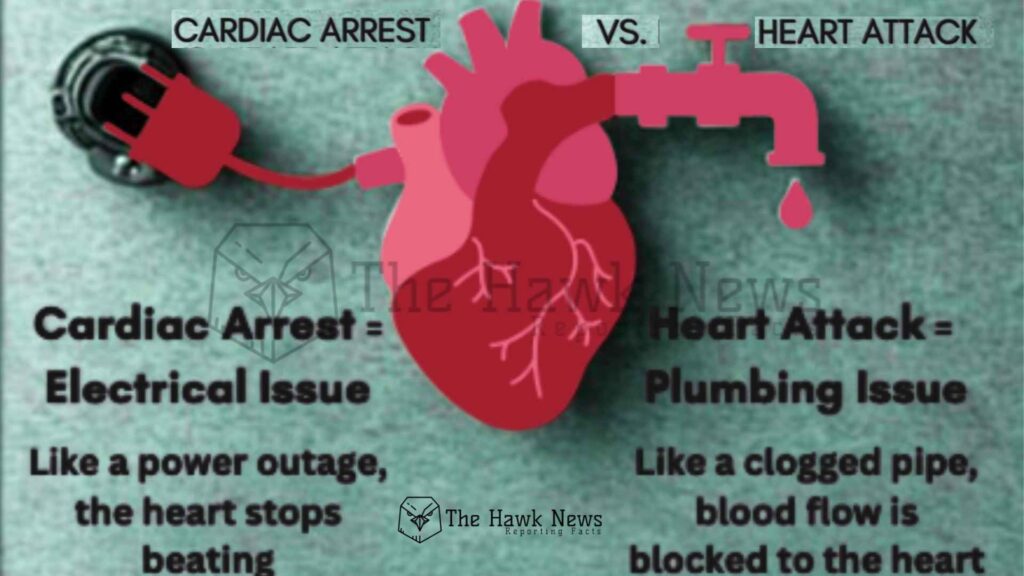
A heart attack, medically called myocardial infarction, occurs when blood flow to the heart muscle is blocked, often by a blood clot in the coronary arteries. Without oxygen-rich blood, parts of the heart muscle begin to die.
Symptoms of a Heart Attack:
- Chest pain or discomfort, often described as pressure, squeezing, or fullness
- Pain radiating to the arm, neck, jaw, or back
- Shortness of breath
- Cold sweats, nausea, or lightheadedness
What to Do:
If someone experiences these symptoms, call emergency services immediately. Chewing an aspirin (if not allergic) and keeping calm until help arrives can increase survival chances.
What is Cardiac Arrest?
Cardiac arrest is a sudden, electrical malfunction in the heart that causes it to stop beating effectively. Unlike a heart attack, which is a circulation problem, cardiac arrest is an electrical problem. Without immediate treatment, death can occur within minutes.
Symptoms of Cardiac Arrest:
- Sudden collapse
- No pulse
- No breathing or only gasping
- Loss of consciousness
What to Do:
- Call emergency services immediately.
- Start CPR (cardiopulmonary resuscitation) right away.
- Use an AED (automated external defibrillator) if available.
Quick response is critical—every minute without CPR and defibrillation decreases survival chances by 7–10%.
What is Heart Failure?
Heart failure does not mean the heart has stopped. Instead, it means the heart muscle is weakened or stiff and cannot pump blood effectively.
This is a chronic condition that develops over time and requires medical management.
Symptoms of Heart Failure:
- Shortness of breath during daily activities or while lying down
- Swelling in legs, ankles, or feet
- Persistent fatigue and weakness
- Rapid or irregular heartbeat
- Frequent nighttime urination
What to Do:
Heart failure requires long-term treatment, including lifestyle changes, medications, and sometimes surgical interventions. Early diagnosis and adherence to medical advice significantly improve quality of life and life expectancy.
Key Differences to Remember:
- Heart Attack = Circulation problem (blocked blood flow)
- Cardiac Arrest = Electrical problem (heart suddenly stops)
- Heart Failure = Pumping problem (heart too weak/stiff to pump efficiently)
Prevention is Powerful
While genetics play a role, lifestyle choices significantly affect heart health. Here are preventive measures:
- Eat a balanced diet rich in fruits, vegetables, whole grains, and lean proteins
- Exercise regularly (at least 150 minutes of moderate activity per week)
- Avoid smoking and limit alcohol intake
- Maintain a healthy weight
- Manage stress effectively
- Monitor blood pressure, cholesterol, and blood sugar levels
Conclusion
Knowledge is one of the most powerful tools in saving lives.
Recognizing the difference between a heart attack, cardiac arrest, and heart failure—and knowing how to respond—can make the difference between life and death.
Share this knowledge with your loved ones, because the life you save might be theirs—or even your own.