Introduction
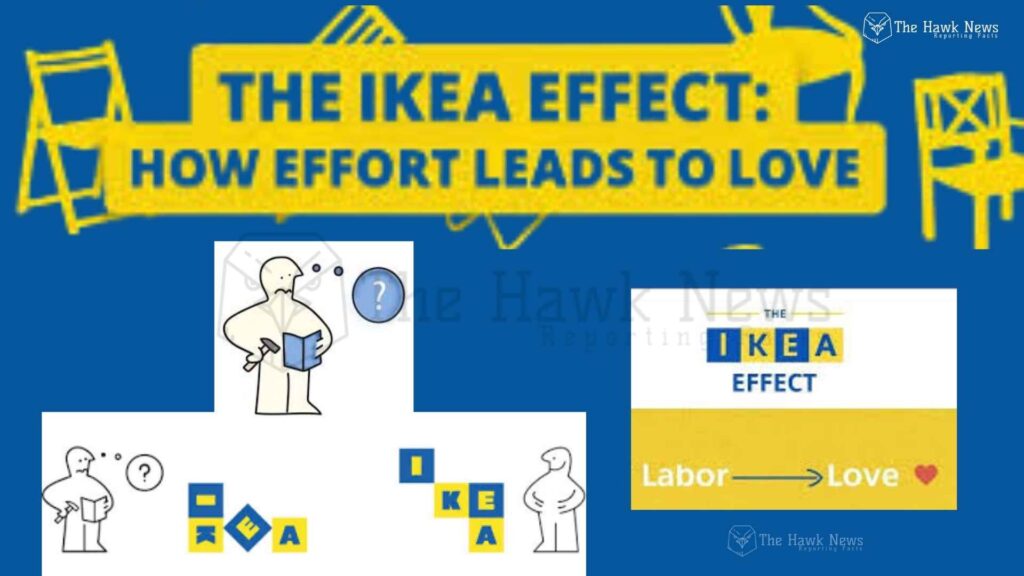
We live in a world of convenience. Groceries arrive at our doorstep, furniture comes ready-made, and meals are delivered in minutes. Yet, paradoxically, people often cherish things they make themselves—whether it’s assembling a flat-pack IKEA chair or baking bread from scratch. This phenomenon has a name: the IKEA Effect.
Coined in 2011 by behavioral scientists Michael Norton, Daniel Mochon, and Dan Ariely, the term describes how we overvalue things we put effort into, regardless of their objective quality. It’s why that slightly uneven bookshelf you assembled feels priceless or why your handmade scarf seems more stylish than anything on store racks.
But the IKEA Effect goes far beyond furniture—it reveals something profound about human psychology, business strategies, and the way we find meaning in our daily lives.
The Psychology Behind the Effect
At its core, the IKEA Effect taps into a deep-seated human bias: we love what we labor for.
- Effort creates attachment. When you invest energy in something, it becomes part of your identity.
- Completion creates pride. The very act of finishing a task, however small, satisfies our brain’s craving for accomplishment.
- Ownership creates value. We don’t just build objects; we build stories around them.
Think of a parent treasuring their child’s crooked handmade card more than an expensive Hallmark one. That’s the IKEA Effect in its purest form.
Beyond Furniture: Real-World Applications
- Business & Marketing
- Customization as a strategy: From Nike sneakers to Starbucks coffee, brands thrive by letting customers co-create. A sneaker you designed online feels far more special than one pulled off the shelf.
- LEGO’s triumph: After nearly collapsing in the early 2000s, LEGO revived itself by leaning into customer creativity, inviting fans to design sets. The result? Deep loyalty and billion-dollar revenues.
- Subscription boxes & DIY kits: Meal kits, craft kits, and even skincare sets flourish because people love to “finish” the experience themselves.
- Lifestyle & Culture
- Cooking: A meal you cooked feels tastier than one ordered out, not because of flavor alone but because of your personal investment.
- Fitness: The sweat equity you put into exercise makes the results more rewarding than a quick-fix solution.
- Crafts & DIY: Crocheting, pottery, painting—these aren’t just hobbies but deeply satisfying experiences because they connect effort with identity.
- Work & Innovation
- Employees who contribute ideas feel more ownership over projects, making them more committed.
- Leaders who involve teams in decision-making create loyalty and creativity.
- In contrast, dismissing contributions can demotivate, as people naturally value their own ideas.
The Benefits of the IKEA Effect
- Emotional satisfaction: Building deepens joy and makes experiences memorable.
- Boosted confidence: Completing even small tasks strengthens self-belief.
- Healthier mindset: DIY culture and personalization foster mindfulness in a world of mass production.
- Sustainability: Repairing, reusing, and making things yourself connects you to conscious living.
The Dark Side of the IKEA Effect
Like most human biases, the IKEA Effect has drawbacks:
- Overvaluing poor quality: We sometimes cling to things just because we made them, even if they’re not practical or efficient.
- Resistance to change: At work, teams may reject better solutions because they’re attached to their own ideas.
- Consumer manipulation: Some companies exploit the effect by charging more for “customization” that costs less to provide.
In other words, while the IKEA Effect can empower, it can also blind us.
Modern Relevance: Why It Matters Today
In today’s digital-first, hyper-automated world, the IKEA Effect feels more relevant than ever.
- DIY Culture 2.0: From sourdough during lockdowns to Gen Z’s love for crochet and home gardens, people crave the pride of making.
- Digital Personalization: Avatars, playlists, custom keyboards—these reflect our desire to “own” experiences even in virtual spaces.
- Emotional Healing: Building something yourself—whether a meal, art, or furniture—acts as therapy, slowing us down and reconnecting us with effort.
A Biblical Parallel?
Interestingly, even ancient texts echo this idea: what we sow, we reap. The pride in harvesting your own grain or crafting your own tools is timeless. The IKEA Effect, though coined in modern labs, is rooted in humanity’s age-old bond with creation and effort.
Who Really Benefits?
At the end of the day, both sides win:
- Consumers feel joy, pride, and a sense of identity.
- Brands build loyalty that no celebrity endorsement can replicate.
But the greatest beneficiary might be us as individuals. The IKEA Effect reminds us that meaning doesn’t come from shortcuts—it comes from effort. In a world that often glorifies convenience, it whispers a timeless truth: what we work for, we love more.
Conclusion
So, the next time you look at that slightly crooked chair or savor your homemade pasta, know this: it’s not just about utility or taste. It’s about the invisible bond between effort and value. That’s the IKEA Effect in action—a quirky bias that proves human beings are wired to find meaning not in perfection, but in participation.
Because, as it turns out, we don’t just love the things we own—we love the things we build.