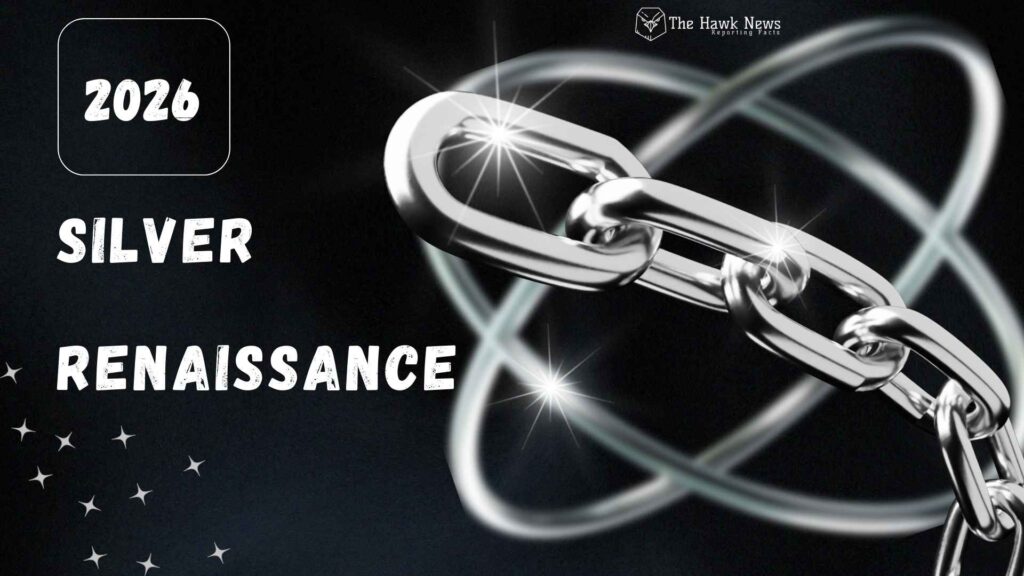
The Return of Quiet Shine
For years, gold has symbolized triumph, status, and abundance — a metal that dazzled, declared, and dominated.
But in 2026, a quieter gleam is reclaiming the spotlight. Silver, the once-understated sibling in the world of luxury, is making a striking return — not with flash, but with finesse.
Across jewelry ateliers, interior design studios, and even tech aesthetics, silver’s subtle glow has become the new symbol of sophistication. It reflects not just light, but a shift in collective consciousness.
The world, weary of noise and display, is rediscovering the power of restraint.
“Luxury no longer shouts,” says a Paris-based design curator. “It whispers in silver tones.”
From Opulence to Restraint: A Cultural Shift
The rise of silver is more than a design choice — it’s a social statement. The past few years have seen a growing movement toward “quiet luxury” or “stealth wealth.”
After decades of logos, glitter, and excess, the new elite aesthetic values understatement over exhibition.
This isn’t about austerity — it’s about alignment. Consumers today want elegance that feels grounded, not performative. They crave quality, longevity, and emotional calm — all of which silver naturally embodies.
Fashion houses that once flaunted gold embroidery now embrace muted metallics. Jewelry brands are crafting silver lines with clean geometry and matte finishes, catering to a clientele that associates minimalism with maturity.
Even interiors follow suit: brushed steel, silver textiles, and monochrome palettes dominate 2026 design trends.
In a post-pandemic world, where authenticity has become aspirational, silver represents equilibrium — a material that glows softly without competing for attention.
The Design Language of Silver
Silver’s appeal lies in its duality. It is at once modern and timeless, luxurious yet accessible. Its tone harmonizes with both warm and cool aesthetics, making it the perfect bridge between tradition and innovation.
Architects and interior designers use silver to create balance — in mirrored accents, metallic fixtures, and sleek furniture that catch light gently rather than command it. The result is a look that feels spacious, clean, and composed.
In fashion, silver’s influence spans from couture to streetwear. On the 2026 runways in Milan and Seoul, silver replaced gold as the season’s dominant metallic.
Not the blinding disco sheen of the early 2000s, but textured silvers — satin, brushed, or oxidized — offering depth and sophistication.
“Silver reflects light without taking it hostage,” remarks a jewelry designer from Mumbai. “It complements the wearer; it doesn’t compete with them.”
That, perhaps, is the essence of its resurgence — elegance that coexists with humility.
The Value Shift: Smart Luxury for a Grounded Generation
Behind silver’s aesthetic revival lies a quiet economic logic. As inflation and cost-of-living pressures reshape spending habits, consumers are redefining what “value” means.
Silver, unlike gold, offers attainable luxury — real, tangible, and still deeply symbolic. It’s the metal of choice for those who seek authenticity over ostentation.
Investors, too, have taken notice. Silver’s dual role as a precious and industrial metal — used in electronics, solar panels, and renewable technology — has increased its long-term appeal. It’s the rare material that bridges beauty and utility, romance and realism.
Sustainability has also influenced this shift. Recycled and ethically sourced silver is increasingly favored by eco-conscious brands. This aligns with a generation that values transparency as much as texture.
Thus, silver’s comeback is not nostalgia — it’s evolution. It embodies the modern consumer’s desire for ethical elegance: possessions that feel purposeful, not performative.
The Psychology of Silver: Calm Strength
Psychologically, silver evokes balance.
It sits between the warmth of gold and the austerity of chrome — representing reflection, intuition, and clarity.
Historically, silver was linked to moonlight and feminine energy, a counterpoint to the sunlit masculinity of gold. Its symbolism of purity and calmness runs deep across cultures, from ancient rituals to religious artifacts.
Today, that same serenity resonates in an overstimulated world. Psychologists describe the growing preference for cooler tones — silver, gray, white — as an unconscious retreat from emotional noise. These colors, they say, calm the nervous system, signaling control and composure.
“Silver feels like confidence without performance,” writes one design psychologist. “It’s the luxury of breathing room.”
In this light, the rise of silver is not just visual — it’s emotional. It represents a generation learning to shine quietly.
A Modern Renaissance Across Industries
Silver’s influence now stretches far beyond jewelry boxes.
- Jewelry: Independent brands are championing handcrafted silver collections that blend heritage techniques with modern design. Artisans in Jaipur, Florence, and Mexico City are finding new relevance as global markets rediscover craftsmanship.
- Interiors: Silver accents in lighting, furniture, and tableware reflect a preference for reflective serenity. Scandinavian and Japanese design philosophies — rooted in minimalism and natural harmony — amplify this effect.
- Technology: From smartphone finishes to concept cars, “lunar silver” is the color of innovation. It represents precision, progress, and purity — the visual DNA of the digital age.
- Fashion: Metallic fabrics, chrome accessories, and liquid silver textures dominate collections from Dior to emerging sustainable labels. Silver isn’t trend — it’s transition.
Together, these layers reveal how one metal can unify aesthetic restraint, emotional balance, and economic sensibility.
The Future Shines in Silence
Silver’s story is not just about metal — it’s about maturity.
It represents a cultural evolution where status is no longer measured in display, but in discernment.
We are moving toward a world where the truly affluent don’t need to announce themselves. Their elegance lies in stillness, their wealth in wisdom.
Silver, with its quiet gleam, captures that shift — a reminder that beauty doesn’t need volume, only presence.
“The world no longer desires to be dazzled,” Shiphrah writes. “It wants to be understood. And silver, timeless and sincere, understands.”
As we step further into 2026, silver’s glow continues to spread — not in the blinding dazzle of ambition, but in the soft radiance of awareness. The year of subtle luxury has arrived, and it shines — silently.