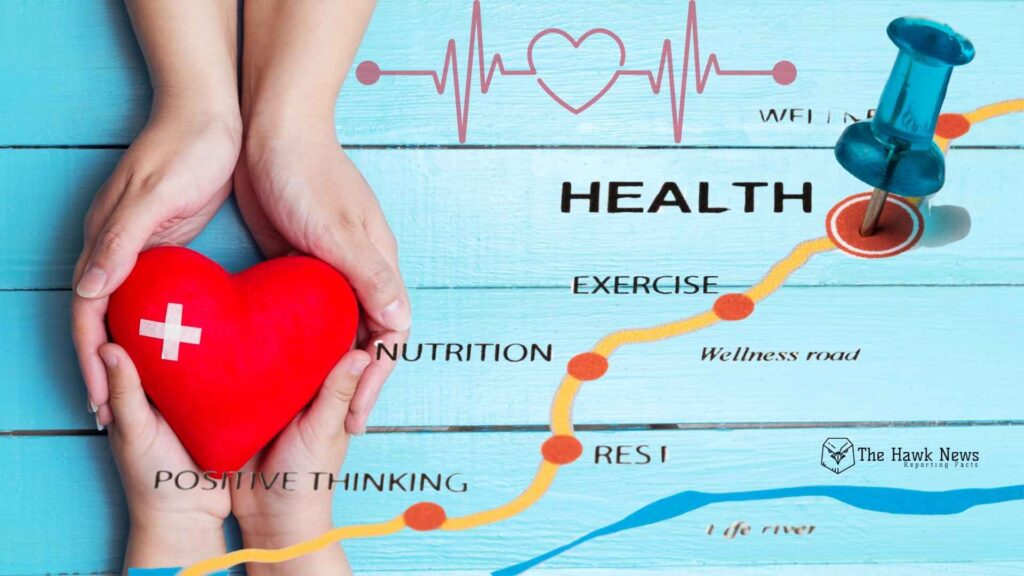
The Illusion of Instant Health
In an age where meals come in minutes and groceries arrive at our doorsteps faster than thought, it’s no surprise that health too has been forced into the fast lane.
Everyone wants to look fit, feel light, and glow instantly — but the truth remains: the short route is always the longest one.
From 30-day ab challenges to 7-day detox teas, the world is full of quick fixes that promise transformation.
Yet behind those promises lies an invisible cost — one that many realize only after the damage is done. Real health has never been a sprint; it’s a slow, deliberate walk through time.
The Rise of the Quick-Fix Mindset
The obsession with instant gratification has quietly shaped how we see our bodies. Our generation has been raised on immediacy — fast internet, one-click orders, 10-second reels. That same impulse has spilled into wellness.
Social media floods us with “before and after” photos, compression belts, and miracle supplements. Fitness is sold as a commodity, not a commitment. It’s no longer about feeling strong or peaceful; it’s about appearing transformed.
And this isn’t just vanity. It’s culture. We scroll past ten influencers flaunting their results and subconsciously start believing that transformation should be quick, visible, and applause-worthy.
We’ve turned patience into punishment and progress into a performance.
We’re chasing health like it’s a deadline — forgetting that the body doesn’t read the calendar.
The Hidden Costs of the Shortcut
The most expensive thing about shortcuts is what they quietly take away — stability, rhythm, and self-trust.
Physically, our bodies bear the brunt. Sudden diets and extreme routines shock the metabolism, leading to fatigue, hormonal imbalance, and weight fluctuations.
Those “miracle fat burners” often wreck the digestive system, and unregulated supplements flood the liver and kidneys with toxins.
Emotionally, shortcuts turn self-improvement into self-blame. When results fade, people spiral into guilt and frustration. They feel betrayed — by the products, by the plans, and worst of all, by themselves.
The mental toll of repeated failure can be heavier than the physical consequences.
Financially, the trap deepens. Fitness today is a billion-dollar industry powered by the illusion of speed — selling powders, detoxes, and apps that rarely work long-term. The customer keeps spending, searching for that one solution that fixes everything overnight.
And the cruel irony? The more shortcuts we take, the longer recovery takes. The path we hoped would save time ends up stealing years of genuine progress.
“The faster we rush to become healthy, the more we drift from true wellness.”
Why We Keep Falling for It
If the cost is so high, why do we keep running toward these traps? The answer lies in the psychology of modern living.
We live in a world of visible validation. Success is something we post, not process. When we see others “achieving results” quickly, our brains interpret slowness as failure.
The pressure to keep up — physically, socially, and digitally — pushes people toward anything that promises speed.
It’s also about control. Life feels unpredictable, but a product that says “change your body in 10 days” feels like control restored. We buy the illusion that health can be scheduled, like a delivery.
But what if health was never meant to be instant? What if the truest form of control lies not in forcing change, but in respecting time?
Relearning the Rhythm of Real Health
To unlearn the shortcut habit, we must first redefine what health means.
Real health isn’t about rapid change; it’s about consistent alignment. The body thrives on rhythm, not rush.
Every cell repairs, every muscle strengthens, every emotion stabilizes — slowly, quietly, and faithfully over time.
Here’s what the path of real health looks like:
- Small, steady habits — walking daily, drinking enough water, eating clean most of the time.
- Rest as ritual — prioritizing sleep, mental breaks, and stillness.
- Balanced nutrition — not extremes, but nourishment.
- Emotional awareness — knowing that stress and self-talk impact the body more than we think.
Experts often say that discipline is the new detox. Instead of chasing the next product, invest in patience. Set goals that honor your body’s pace, not punish it.
Slow progress might feel invisible at first, but it builds a foundation that doesn’t collapse the moment you blink.
The Long Road That Actually Works
In the end, every shortcut reveals its cracks. The body remembers everything — every skipped meal, every sleepless night, every forced transformation. It has its own language and pace, and the greatest wisdom lies in listening.
Health is not a race. It’s a relationship — one that deepens only with time, attention, and honesty. The quick path may give you applause for a moment, but the slow path gives you peace for a lifetime.
So the next time you’re tempted by a 10-day miracle, pause. Ask yourself — what am I really chasing: results or respect for my body?
Because the truth is simple, — the short route is always the longest one, especially when it comes to your body.