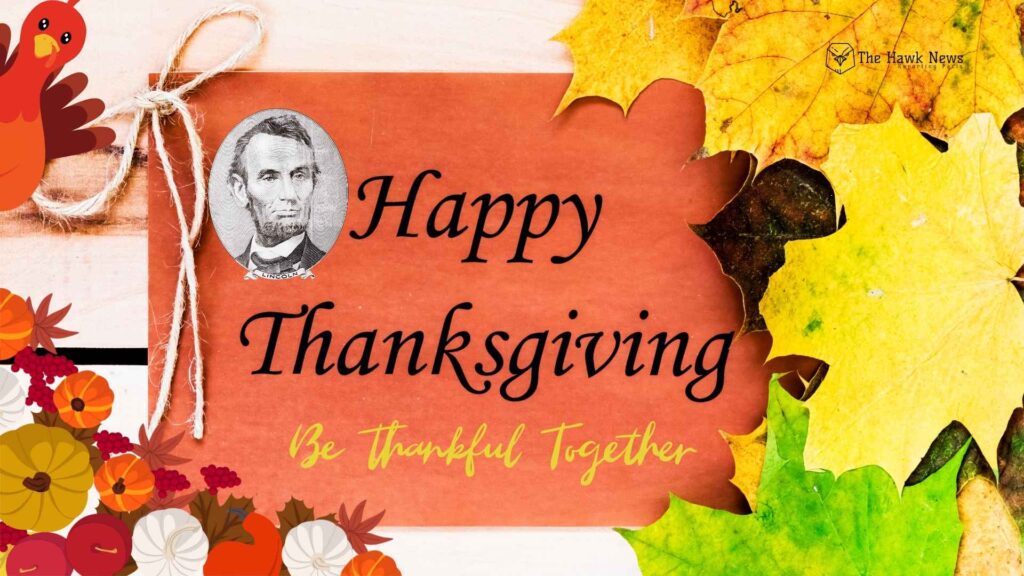
On a crisp November day in 1863, while cannons thundered on American soil and brothers fell on opposite sides of the battlefield, President Abraham Lincoln made a quiet but radical decision: he declared a National Day of Thanksgiving.
It wasn’t a celebration of victory.
It wasn’t a feast born from abundance.
It was a plea — a call for gratitude, unity, and healing in a nation that had forgotten the meaning of peace.
Thanksgiving, as Americans know it today, was born not in comfort, but in crisis.
A Nation on Fire
The United States of 1863 was nearly unrecognizable.
The Civil War had entered its third brutal year. Towns were scarred. Families were shattered.
Every newspaper headline carried the weight of loss.
In such a climate, a national holiday seemed almost out of place. Festivity felt impossible.
But sometimes the most fragile traditions are the ones that hold a nation together.
Lincoln knew that.
And so did Sarah Josepha Hale — a woman who had spent nearly two decades believing that unity could be stitched together through a single day of gratitude.
The Woman Who Wouldn’t Give Up
Long before Lincoln’s proclamation, Hale — a prominent writer and editor — had been on a mission. As editor of Godey’s Lady’s Book, one of the most influential magazines of the era, she used her platform to push for a national Thanksgiving.
For 17 relentless years, she wrote letters to presidents, governors, and lawmakers urging them to formalize a national holiday.
Her argument was simple but powerful:
A shared day of thanks could become a moral anchor for the country — a moment when Americans, despite their differences, paused to reflect on blessings rather than burdens.
Presidents ignored her.
Politicians dismissed her.
But Hale kept writing.
And in 1863, she finally reached the right person at the right moment.
Lincoln’s Proclamation: Gratitude in the Midst of Grief
When Hale’s letter reached Lincoln’s desk, the nation had just witnessed the catastrophic Battle of Gettysburg. Over 50,000 casualties in three days — a level of devastation that shook even the hardened hearts of wartime America.
It was in the shadow of Gettysburg that Lincoln issued his proclamation.
He chose the last Thursday of November as a day for Americans to pause and give thanks:
- for the harvests that continued despite the war,
- for the institutions that still held the country together,
- for the possibility of future peace.
His words were more than a presidential decree — they were a quiet attempt to mend a torn nation.
Lincoln spoke of gratitude not as a luxury, but as an act of courage.
A Holiday Not Born in Celebration — but Hope
It’s easy to forget this today, when Thanksgiving is marked by overflowing tables, football games, and parades.
But the holiday’s origin story is far more somber — and far more powerful.
It was never meant to celebrate prosperity.
It was created to preserve humanity in a time when hatred and violence had stripped so much away.
Thanksgiving is, at its core, a wartime ritual — a call to look inward when the world outside feels broken.
The Legacy Lincoln Never Saw
Lincoln would not live to see Thanksgiving become the beloved American tradition it is today.
But every president after him continued the practice of issuing Thanksgiving proclamations.
In the decades that followed, the holiday grew from a symbolic gesture to a cultural cornerstone.
In 1941, Congress finally codified it into law — the fourth Thursday of every November — giving permanence to what began as a plea for unity.
Today, millions gather around the table every year without realizing they are participating in a tradition forged in grief, strengthened by resilience, and inspired by a woman whose persistence changed a nation.
What Thanksgiving Still Teaches Us
Even now, the holiday remains a reminder of a deeper truth:
Gratitude isn’t the absence of hardship.
It’s the stubborn belief that even in chaos, there is something to hold on to.
Lincoln understood that.
Hale understood that.
And perhaps that is why Thanksgiving endures — not because of what is on the table, but because of who we become when we choose to give thanks.